


Lebanon’s government announced that its military will require at least four months to complete the second phase of its plan to dismantle Hezbollah’s weapons in the south of the country.
According to Daljoog News analysis, the timeline underscores the challenges facing Beirut as it balances internal politics, Hezbollah’s resistance, and escalating pressure from the United States and Israel.
The development comes amid renewed Israeli strikes and continued international calls for Hezbollah to fully disarm, highlighting Lebanon’s ongoing struggle to enforce the 2024 US-brokered ceasefire.
What Happened?
The announcement was made by the Lebanese Information Minister, Paul Morcos, following a cabinet session on Monday.
Lebanon’s military previously completed the first phase of its five-stage disarmament plan, which focused on the area between the Litani River and the southern border with Israel.
Phase two targets the region between the Litani and Awali rivers, roughly 40 kilometers south of Beirut. Morcos said the four-month schedule could be extended depending on military capacity, Israeli attacks, and operational obstacles on the ground.
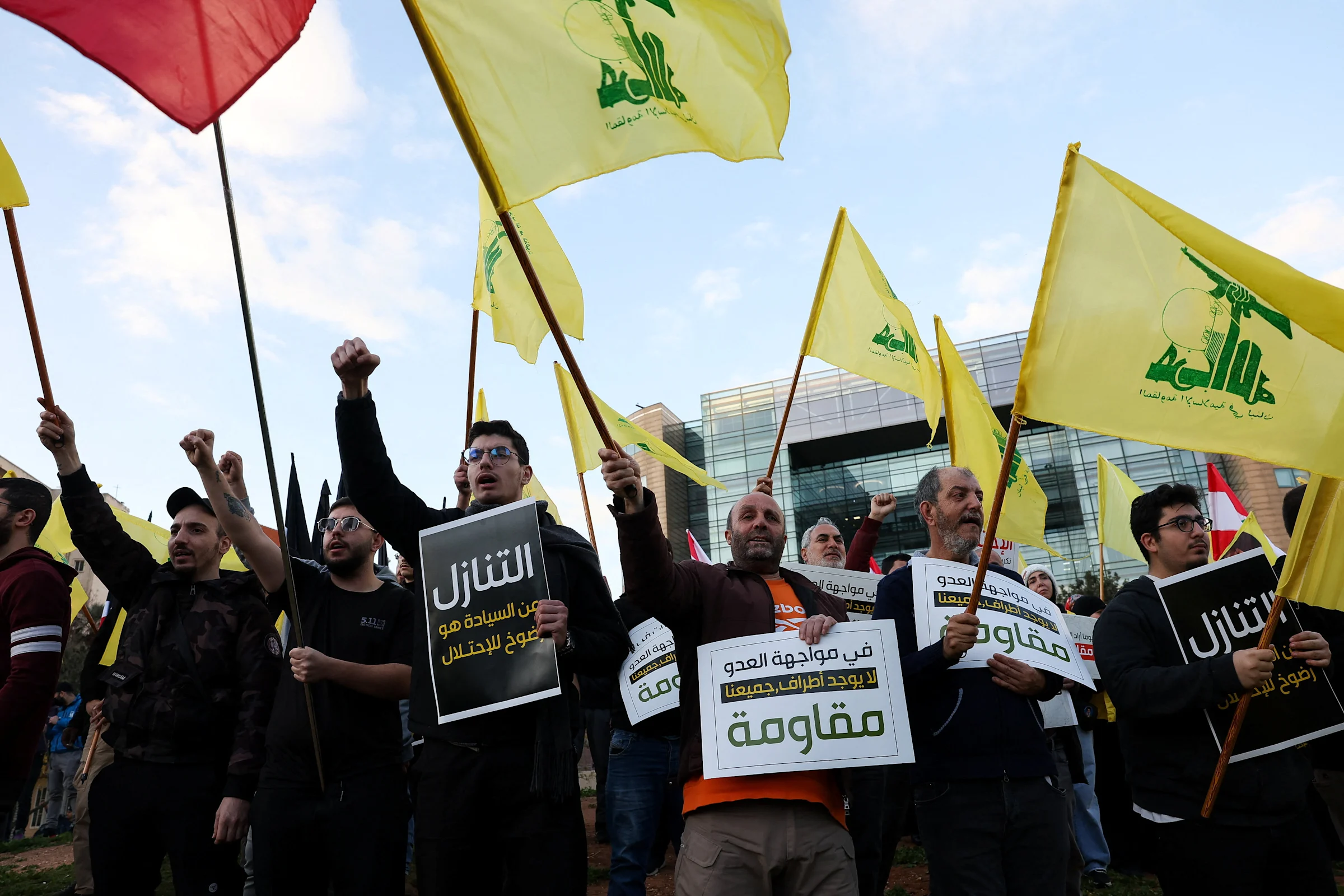
Hezbollah has publicly rejected disarmament north of the Litani River, arguing that the 2024 ceasefire applies only south of the waterway. Chief deputy Naim Qassem condemned the government’s actions, calling the focus on weapons restrictions “a grave sin” and blaming concessions for Israel’s continued attacks.
Israeli forces struck southern Lebanon on Monday, hitting a bus in Hanine and a car in Talloussah, killing at least two people. Israel confirmed the Talloussah strike targeted a Hezbollah fighter allegedly rebuilding the group’s southern infrastructure.
Why This Matters
The operation marks a critical test for Lebanon’s sovereignty and its ability to implement the 2024 ceasefire agreement. The US and Israel continue to pressure Lebanon to neutralize Hezbollah’s military capabilities, while Hezbollah resists, maintaining its armed presence as a deterrent.
Since the ceasefire, Israel has reportedly conducted over 10,000 air and ground attacks and continues to occupy several border areas, obstructing the return of displaced residents. Lebanese authorities estimate more than 370 civilians have been killed since the agreement, prompting Lebanon to file a complaint with the United Nations over repeated violations of its sovereignty.
The disarmament process also has domestic political ramifications. Completing the plan could bolster the Lebanese government’s credibility and assert control over the south. Failure, however, risks emboldening Hezbollah and fueling tensions with Israel.
What Analysts or Officials Are Saying
Experts note the military faces both logistical and political challenges. Southern Lebanon is densely populated, and Hezbollah has entrenched networks that complicate any attempt at disarmament.
Analysts suggest the four-month timeline is ambitious given ongoing Israeli strikes and Hezbollah’s resistance. Observers also point out that international diplomacy will play a key role in ensuring the plan’s success, particularly pressure from the US and the UN.
Lebanese officials emphasize that the government is acting within its commitments under the ceasefire. Morcos stressed that the disarmament process is essential to preventing renewed hostilities and stabilizing southern Lebanon.
Daljoog News Analysis
Lebanon’s effort to disarm Hezbollah illustrates the country’s precarious position between external pressure and internal political realities. While the military seeks to enforce the ceasefire, Hezbollah continues to assert influence over southern regions, making any plan complex and fraught with risk.
The repeated Israeli airstrikes underscore the fragile security situation. Each strike not only endangers civilians but also complicates military operations and delays progress on disarmament.
Completion of phase two will be a significant indicator of whether Lebanon can enforce the ceasefire and gradually reduce Hezbollah’s armed footprint. The government’s ability to navigate political opposition, operational constraints, and foreign pressure will determine the plan’s ultimate viability.
What Happens Next
The Lebanese military will move forward with phase two, adjusting the timeline as needed for operational realities. International monitoring and diplomatic engagement are likely to continue, especially from the United States and the United Nations.
Hezbollah is expected to maintain its public opposition, potentially using political and social influence to slow progress. Israeli airstrikes and border occupation remain key variables, adding uncertainty to the schedule.
Observers will watch whether Lebanon can sustain momentum and demonstrate control over the south, a crucial test for both domestic stability and regional security. Progress—or setbacks—will influence future negotiations and the international community’s approach to Hezbollah’s role in Lebanon.