

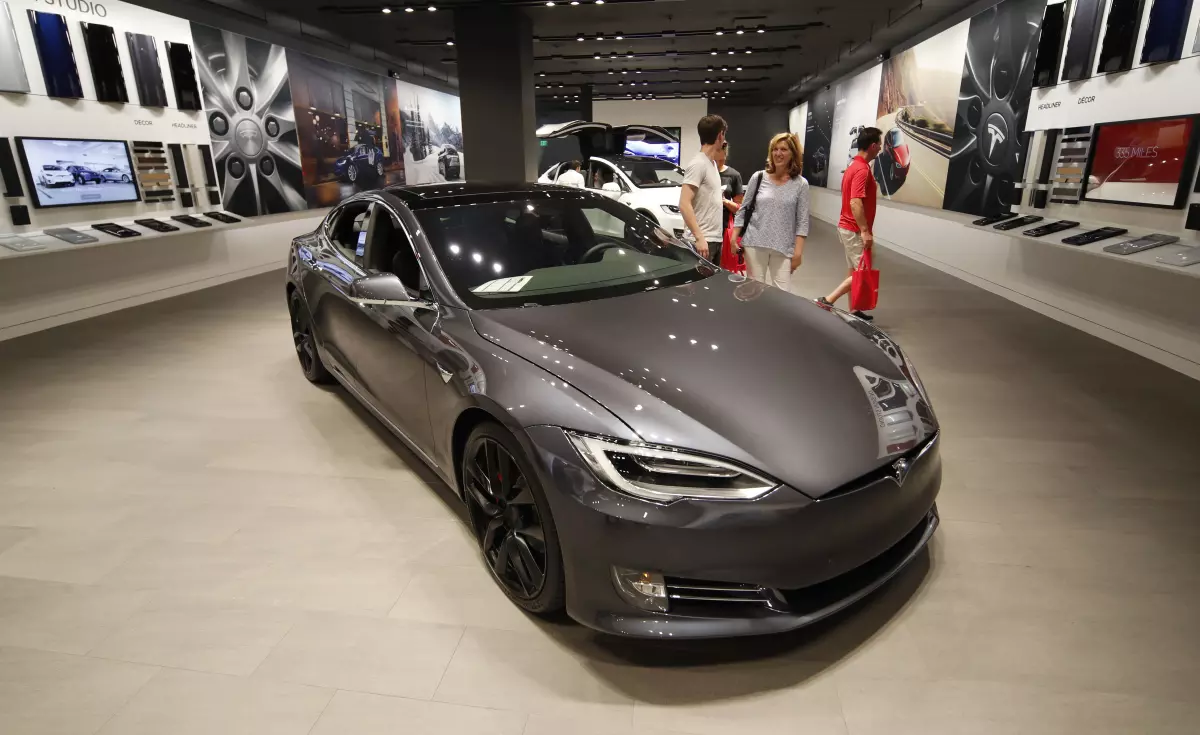
California regulators announced Tuesday that Tesla will continue selling vehicles in the state, reversing earlier concerns over the company’s marketing of self-driving features. The California Department of Motor Vehicles concluded that Tesla has addressed prior misleading claims.
According to Daljoog News analysis, the decision highlights Tesla’s responsiveness to regulatory pressure and the increasing scrutiny of self-driving terminology. The ruling allows Tesla to maintain its market presence in the nation’s largest EV market while avoiding a temporary suspension of sales.
The move comes nearly a year after an administrative law judge found that Tesla’s use of terms like “Autopilot” and “Full Self-Driving” misled drivers about the capabilities of its vehicles, prompting regulators to consider a 30-day sales suspension.
What Happened?
Tesla had faced the potential suspension after an administrative law judge recommended a 30-day halt in California due to deceptive marketing practices. The judge concluded that Tesla overstated the autonomous capabilities of its vehicles, potentially endangering drivers who relied on the technology.
The California DMV, however, gave Tesla a 90-day period to implement corrective measures. According to the agency, Tesla complied by altering its marketing language and clarifying the supervised nature of its Full Self-Driving system. The company has also removed the term “Autopilot” from state-specific advertising.
As a result, regulators determined the corrective actions were sufficient, allowing Tesla to continue normal sales operations without interruption.
Why This Matters
The decision carries significant implications for Tesla’s business and the broader EV market. California represents a critical sales market for electric vehicles, and a suspension could have disrupted deliveries and damaged consumer confidence.
More broadly, the ruling underscores the regulatory attention on autonomous vehicle claims. Tesla’s experience may serve as a precedent for other EV manufacturers, signaling that marketing language must accurately reflect vehicle capabilities to avoid penalties.
What Analysts or Officials Are Saying
Industry observers note that Tesla’s willingness to adjust its terminology demonstrates a pragmatic approach to regulatory compliance. Analysts suggest the changes may strengthen consumer clarity around EV features, though Tesla’s broader claims about autonomy will remain under scrutiny nationwide.
The administrative law judge’s initial recommendation was considered severe by some, highlighting the tension between innovation and consumer safety in the emerging self-driving vehicle market.
Daljoog News Analysis
Daljoog News assesses that California’s decision reflects a balance between oversight and fostering innovation. By allowing Tesla to continue sales, regulators signal that corrective action can be sufficient to maintain public safety without unduly penalizing companies that demonstrate compliance.
Tesla’s marketing changes, including the shift to terms like “supervised” Full Self-Driving, may also recalibrate consumer expectations, reducing the risk of overreliance on semi-autonomous systems. The ruling reinforces the importance of precise communication in high-tech automotive marketing.
What Happens Next
Tesla will continue to sell vehicles in California under the revised marketing guidelines. Regulators will likely monitor ongoing communications and advertisements to ensure compliance, while other states may take note as they evaluate autonomous vehicle claims.
The case may also influence national debates over self-driving terminology, safety standards, and regulatory oversight, shaping how EV makers present their technology to consumers in the coming years.