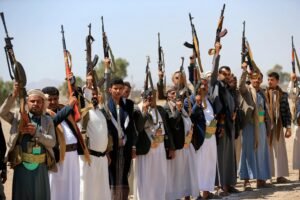


US intelligence and military officials successfully thwarted a near-catastrophic prison break involving nearly 6,000 ISIS detainees in northern Syria. The detainees, described as “the worst of the worst,” were held by the Kurdish-led Syrian Democratic Forces (SDF) as escalating clashes threatened to overwhelm prison security.
According to Daljoog News analysis, the operation prevented what intelligence officials feared could have been an immediate resurgence of ISIS across Syria and Iraq. Officials warned that even a partial breach could have instantly reconstituted the terrorist group, reversing years of counterterrorism gains.
The detainees have now been relocated to Iraqi custody, underscoring the importance of swift diplomatic and military coordination in the region. The move reflects a growing US-Iraqi partnership focused on preventing ISIS from exploiting instability in Syria.
What Happened?
In late 2025, intelligence assessments identified Syria’s northern detention system as vulnerable amid escalating fighting in Aleppo and surrounding areas. The US Office of the Director of National Intelligence (ODNI) began early consultations with the SDF and the Iraqi government to preempt a large-scale prison break.
By early January, the situation became urgent. Officials coordinated daily across agencies, including CENTCOM, the State Department, and intelligence services, to organize the removal of detainees before chaos could trigger a mass escape.
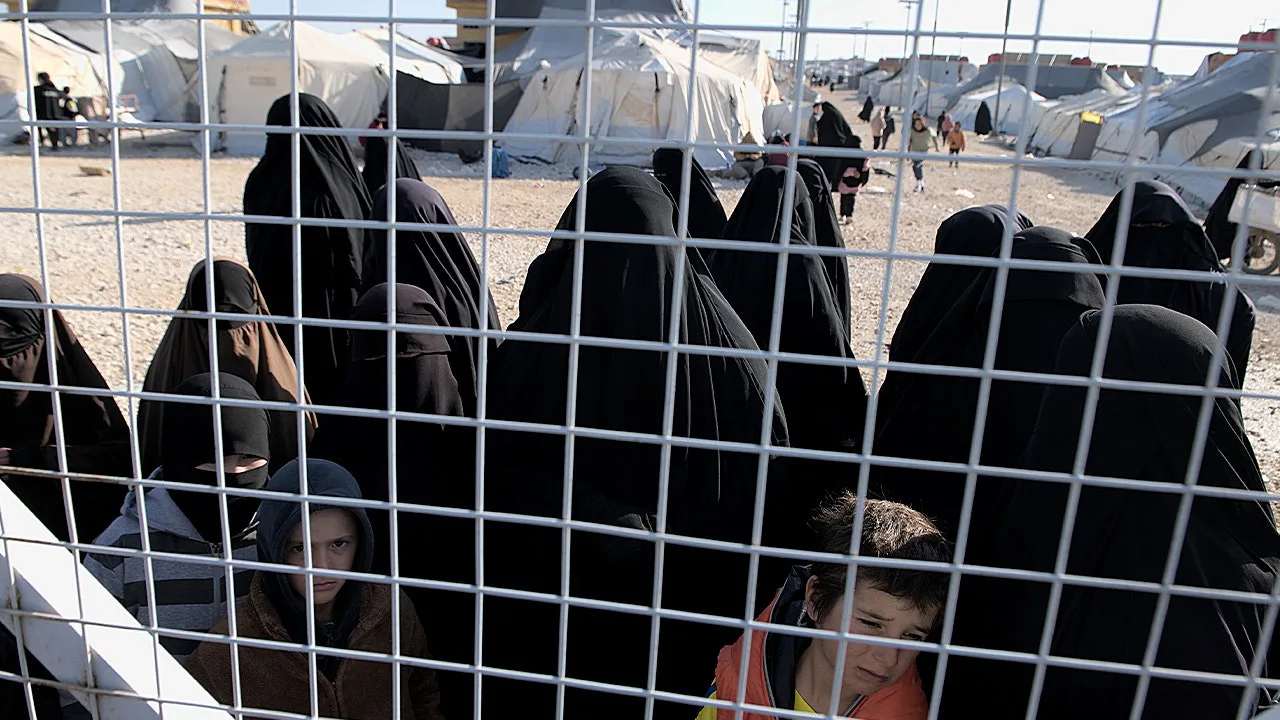
The operation involved helicopters, logistical surges, and rapid transport, moving thousands of detainees into secure Iraqi facilities near Baghdad International Airport over the course of several weeks. The transfer focused solely on male ISIS fighters, while women and children remain in Syrian camps, such as al-Hol, under separate arrangements.
Why This Matters
The operation prevented a potential security crisis that could have destabilized Syria, Iraq, and the wider region. A sudden release of thousands of battle-hardened ISIS militants would have posed an immediate threat to civilian populations and international security.
For Iraq, the stakes were especially high. Officials feared a repeat of the 2014 scenario, when ISIS fighters surged across the border and occupied large territories. The swift US-Iraqi coordination ensured the threat was contained before it could materialize.
The ongoing presence of families of ISIS fighters in Syrian camps, however, presents a continuing security and humanitarian challenge. Many children have grown up in these camps and are approaching adolescence, raising concerns over radicalization and recruitment.
What Analysts or Officials Are Saying
A senior US intelligence official described the operation as “rare good news” from Syria, highlighting the meticulous planning required to move detainees safely without sparking conflict. The official emphasized the critical role of the US Embassy in Baghdad in smoothing diplomatic channels and coordinating with Iraqi authorities.
Experts stress that while the transfer addresses the immediate threat of a mass jailbreak, the broader ISIS detention and reintegration challenge remains unresolved. Al-Hol and similar camps continue to house thousands of women and children, whose future poses potential risks for regional security.
Daljoog News Analysis
Daljoog News observes that this operation illustrates both the vulnerabilities and successes of counterterrorism efforts in Syria. The US-Iraqi cooperation prevented an immediate ISIS resurgence, but the situation remains fragile.
The selective relocation of fighters demonstrates strategic prioritization: neutralizing combat-ready militants while leaving non-combatant families in situ for separate management. Analysts warn that if Syrian authorities release or fail to control these populations, the long-term threat of radicalization remains significant.
The operation also reflects lessons learned from previous crises, notably the 2014 ISIS surge, where delayed coordination allowed militants to seize territory rapidly. This rapid intervention may serve as a model for future counterterrorism contingency planning.
What Happens Next
In Iraq, detainees are undergoing biometric registration and intelligence processing to support accountability and potential prosecutions. The US and Iraqi authorities are also urging countries of origin to repatriate their nationals to face legal consequences.
Meanwhile, intelligence agencies continue monitoring Syria for developments around the remaining camps. Ensuring these sites remain secure is critical to preventing another large-scale breakout or recruitment opportunity for ISIS.
While immediate threats have been contained, officials warn that the Syrian detention landscape remains volatile. Ongoing surveillance, diplomatic engagement, and rapid response capabilities will be essential to maintaining regional stability and preventing a resurgence of the Islamic State.