


The United States has conducted a precautionary withdrawal of troops from major military bases in Qatar and Bahrain, amid heightened tensions in the Middle East. Analysts view the move as a proactive step in response to potential threats from Iran.
According to Daljoog News analysis, the redeployment underscores growing concerns over a possible escalation in the region and reflects the Pentagon’s effort to safeguard personnel and assets while maintaining operational readiness.
The decision comes at a sensitive moment, with U.S. forces still stationed in several neighboring countries, and international observers warning that any miscalculation could rapidly intensify regional conflict.
What Happened?
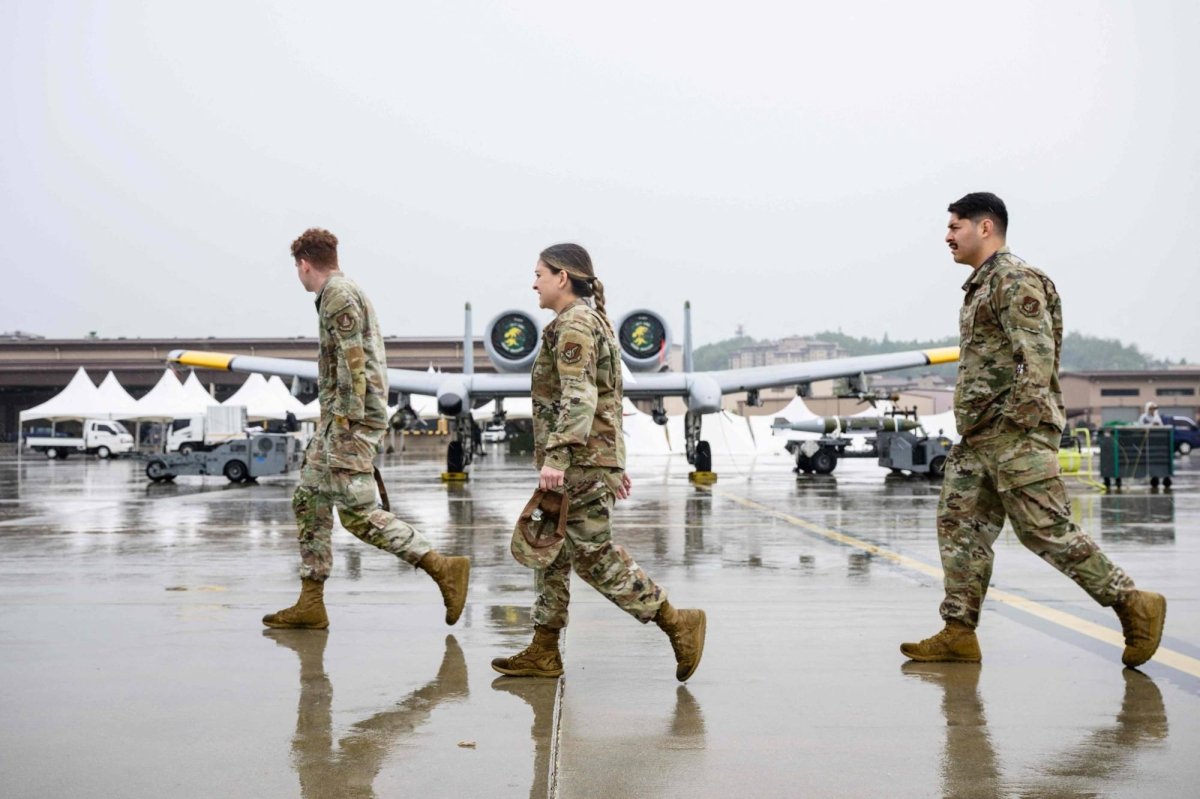
Several hundred U.S. troops were withdrawn from Al Udeid Air Base in Qatar, the largest U.S. military installation in the Middle East, which normally hosts approximately 10,000 personnel. A contingent was also pulled back from a key naval base in Bahrain.
Despite the partial withdrawals, U.S. forces continue to operate in Iraq, Syria, Kuwait, Saudi Arabia, Jordan, and the United Arab Emirates. Officials describe the moves as precautionary measures to reduce exposure to potential Iranian retaliation in the event of military action.
The withdrawal aims to mitigate the risk to personnel and critical infrastructure, as Al Udeid serves not only as a hub for U.S. air operations but also as a command center for broader regional activities.
Why This Matters
The redeployment reflects the delicate balance Washington is attempting to maintain in the Gulf. While the U.S. seeks to deter Iran, the presence of forces at high-value sites also presents a target in any potential conflict scenario. By reducing troop numbers at key locations, the Pentagon aims to lower the risk of casualties while preserving operational flexibility.
The move may also influence regional diplomacy, signaling to allies and adversaries alike that the U.S. is taking Iranian threats seriously but is cautious about engaging in confrontation without strategic planning.
What Analysts or Officials Are Saying
Experts suggest the withdrawals are a prudent response to warnings issued by Iranian representatives at the United Nations. Iran has explicitly stated that any attack against its territory could make all opposing military installations and assets in the region legitimate targets, emphasizing that the consequences of any miscalculation would be borne by the United States.
Analysts note that while the action reduces immediate risk to personnel, it may complicate command and logistics for ongoing operations, including air missions and regional intelligence gathering.
Officials stress that this is not a retreat, but a precautionary measure aimed at safeguarding lives while maintaining the U.S. ability to respond rapidly if tensions escalate.
Daljoog News Analysis
The partial troop withdrawal highlights the strategic dilemmas facing the United States in the Gulf. Bases like Al Udeid are critical not only for military presence but also for regional power projection, intelligence, and rapid deployment capabilities.
Balancing force protection with operational readiness is a recurring challenge in high-tension zones. The current precautionary measures demonstrate Washington’s awareness of Iranian military capabilities and the potential for sudden escalation, particularly in airspace and naval corridors.
The step also signals to regional partners that the U.S. remains committed to security, even while exercising caution to prevent unintended escalation. How Iran perceives this maneuver could influence the trajectory of tensions in the coming weeks.
What Happens Next
U.S. forces will continue to monitor the situation closely and may adjust deployments based on intelligence assessments and evolving threats. Any direct military action against Iran would likely trigger further reassessment of base vulnerabilities and troop positions across the Gulf.
Diplomatic channels remain critical, with regional allies and international actors urged to engage in de-escalation efforts. Observers anticipate that local populations and global markets will also monitor developments closely, given the potential implications for energy security and trade in the region.