

Denmark has rejected a proposal by U.S. President Donald Trump to send a hospital ship to Greenland, dismissing the offer as unnecessary for the Arctic territory.
According to Daljoog News analysis, the move underscores deepening tensions over Greenland’s strategic role, as Washington continues to signal interest in expanding its influence in the region.
The episode revives debate over Arctic security and sovereignty, an issue that has periodically strained relations between Copenhagen and Washington in recent years.
What Happened?
President Donald Trump announced plans to dispatch what he described as a “great hospital boat” to Greenland, saying the vessel would improve access to medical services for residents of the semi-autonomous territory.
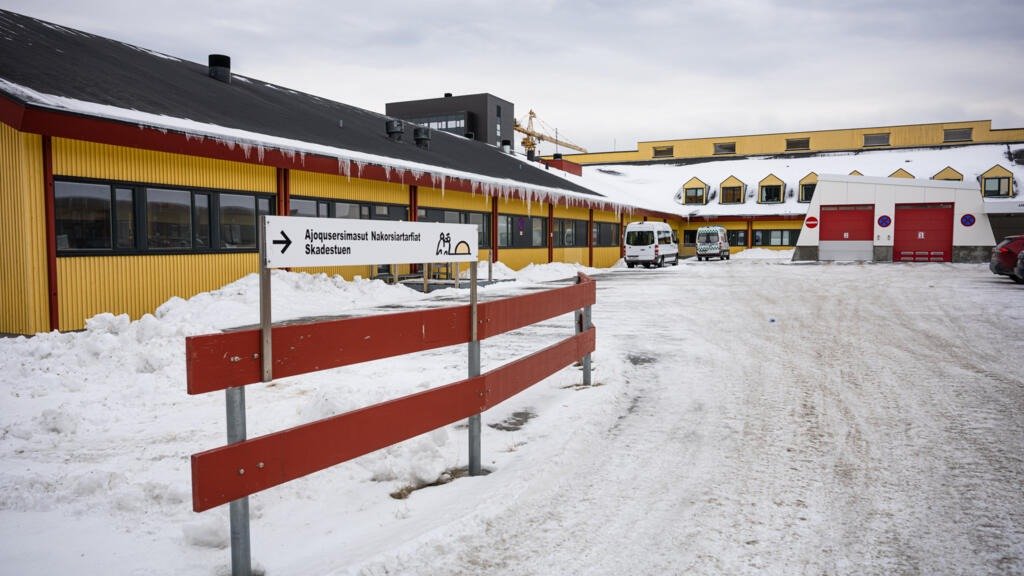
Danish authorities responded swiftly. Officials stated that Greenlanders already benefit from Denmark’s publicly funded healthcare system and do not require emergency maritime medical assistance from abroad.
Greenland remains part of the Kingdom of Denmark but exercises broad self-rule. Health services on the island are integrated into Denmark’s national system, which provides universal coverage.
The proposal appeared to catch officials off guard on both sides of the Atlantic. Reporting by The Washington Post noted that maritime tracking data did not show a U.S. hospital ship positioned for deployment to Greenland at the time of the announcement.
No formal diplomatic request from Copenhagen had been made for additional medical support.
Why This Matters
Greenland occupies a strategically vital location in the Arctic. Its geographic position between North America and Europe makes it central to military planning and shipping routes as polar ice recedes.
Trump has previously described Greenland as critical to U.S. national security. His renewed attention to the island signals that Washington continues to view Arctic competition as a priority.
Denmark’s rejection reflects sensitivity over sovereignty. Copenhagen has consistently maintained that Greenland is not for sale and that decisions affecting the territory rest with Greenlanders themselves.
The public nature of the hospital ship proposal risks reinforcing perceptions that Washington is seeking influence through symbolic gestures rather than coordinated policy.
What Analysts or Officials Are Saying
Danish officials framed the matter as straightforward. They emphasized that Greenland’s healthcare needs are addressed through established systems and cooperation within the Danish realm.
Political analysts suggest the proposal may have been designed to demonstrate goodwill while reinforcing U.S. strategic interest in the Arctic.
However, critics argue that such moves can appear unilateral if not preceded by consultation. The absence of a visible hospital ship ready for deployment added to skepticism surrounding the announcement.
Observers in Europe note that Arctic geopolitics has grown more complex, with increased attention from NATO members and rising activity from Russia and China.
While humanitarian assistance often serves as a diplomatic bridge, it can also become entangled with broader strategic messaging.
Daljoog News Analysis
The hospital ship episode highlights a recurring pattern in Arctic diplomacy symbolism often outpaces coordination.
Trump’s framing of Greenland as a national security asset aligns with long-standing U.S. strategic calculations. Yet overt gestures risk alienating allies if they appear to sidestep sovereign channels.
Denmark’s firm but measured response suggests Copenhagen aims to contain the issue without escalating tensions. By focusing on the adequacy of existing healthcare services, Danish officials avoided engaging directly with the broader sovereignty debate.
At the same time, the proposal keeps Greenland in the international spotlight. As climate change reshapes Arctic access, competition over influence is likely to intensify.
The key question is whether future engagement will be collaborative or confrontational. Allied cohesion in the Arctic depends on trust as much as strategy.
What Happens Next
Diplomatic channels between Washington and Copenhagen remain open. No indication has emerged that the United States will proceed with deploying a hospital ship.
Attention will likely shift back to broader Arctic policy discussions, including defense cooperation and infrastructure development.
Greenland’s own leadership may also weigh in, reaffirming its position on autonomy and external engagement.