


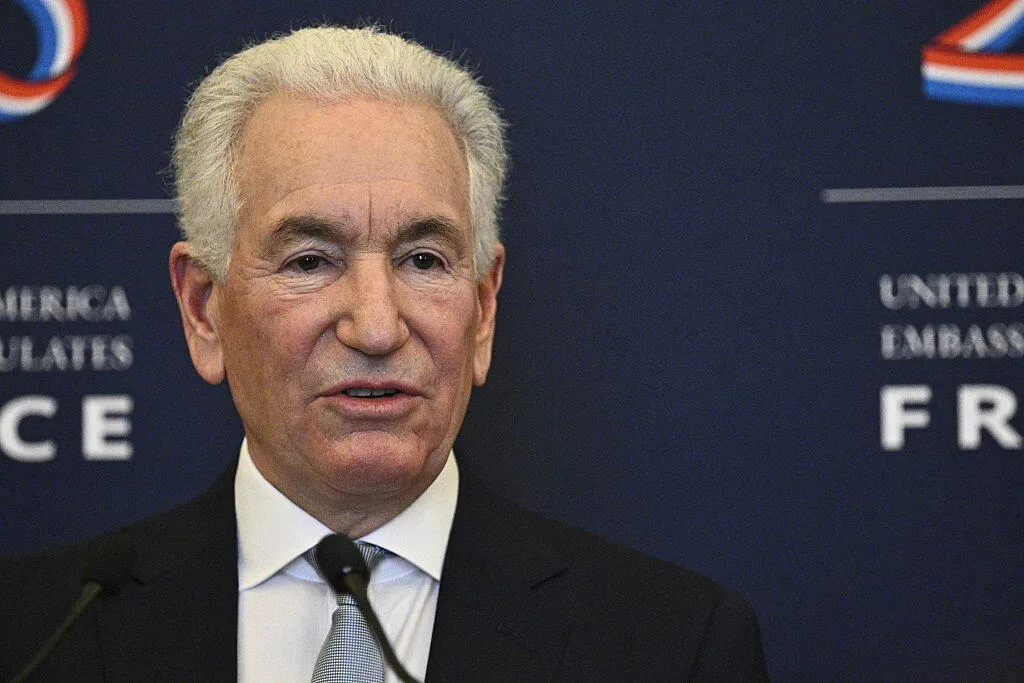
France announced it will summon U.S. Ambassador Charles Kushner following comments by the Trump administration regarding the death of far-right activist Quentin Deranque.
According to Daljoog News analysis, the move reflects Paris’ growing frustration with what it views as politicized statements from Washington, highlighting tensions in transatlantic diplomacy amid domestic political crises in both countries.
Deranque’s death, which occurred during a violent confrontation in Lyon, has already inflamed political divisions in France ahead of next year’s presidential election, making the U.S. commentary particularly sensitive.
What Happened?
The U.S. State Department’s Counterterrorism Bureau issued a statement on X claiming that “violent radical leftism is on the rise” and linking it to Deranque’s death. The statement said that the incident, corroborated by France’s Minister of the Interior, “should concern us all” and called for the perpetrators to be brought to justice.
French Foreign Minister Jean-Noel Barrot rejected the remarks, calling them a politicization of a family tragedy. “We reject any instrumentalization of this tragedy for political ends,” he said, emphasizing that France would not accept lessons on domestic violence from international actors.
Deranque, a far-right activist, suffered fatal brain injuries after a confrontation near a student meeting in Lyon featuring far-left lawmaker Rima Hassan. Authorities have charged seven individuals in connection with the killing, including six with intentional homicide, aggravated violence, and criminal conspiracy.
Why This Matters
The incident underscores rising political tensions in France as the country heads toward the 2027 presidential vote. Far-right and far-left activists have increasingly clashed, raising concerns about public safety and the potential for politically motivated violence.
Paris sees the U.S. statement as a breach of diplomatic protocol. Summoning an ambassador is a formal signal of disapproval, reflecting the seriousness with which France regards statements it views as interfering in domestic affairs.
The case also touches on broader transatlantic relations. The U.S. has recently imposed sanctions on French figures, including former EU Commissioner Thierry Breton and ICC judge Nicolas Guillou, which Barrot described as “unjustified and unjustifiable.”
What Analysts or Officials Are Saying
Diplomats note that such summonses are rare and carry symbolic weight. Analysts say the U.S. statement may have been intended to highlight global concerns about political violence, but it clashes with the principle of non-interference in another country’s internal affairs.
Former incidents involving Kushner, including an August 2025 letter accusing France of failing to address antisemitism, have already strained relations. President Emmanuel Macron has repeatedly emphasized the need for diplomatic restraint, warning that public accusations undermine trust between allies.
Observers suggest the latest dispute could complicate cooperation on other issues, including counterterrorism and transatlantic policy coordination.
Daljoog News Analysis
France’s response highlights the delicate balance in international diplomacy, where domestic tragedies intersect with foreign commentary. By formally summoning the ambassador, Paris signals that politically charged statements can carry tangible consequences.
The situation illustrates how transatlantic relations remain sensitive to perceived slights, particularly when statements involve internal political conflicts or high-profile legal proceedings. The handling of Deranque’s death is likely to remain a point of contention in U.S.-France interactions in the coming months.
What Happens Next
Ambassador Kushner is expected to meet with French officials to address concerns over the statement. Additional discussions may cover U.S. sanctions and other points of friction, including recent criticisms over social media and judicial matters.
While the timing of the meeting has not been announced, France’s foreign ministry has indicated that it will push for a clear understanding of U.S. positions on sensitive domestic issues.
The episode signals that both sides will need careful diplomacy to prevent further strain in what remains a critical partnership in European and global affairs.