


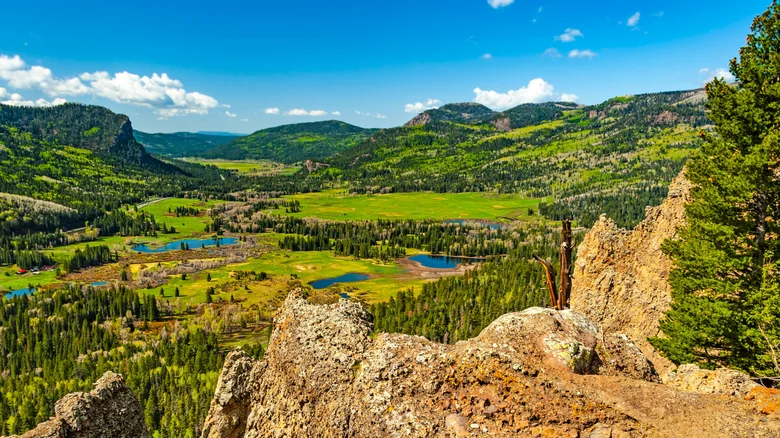
Nestled in the San Juan Mountains, South Fork, Colorado, has quietly built a reputation as a year-round haven for outdoor enthusiasts. Located along the banks of the Rio Grande, this mountain town blends natural beauty with accessible adventure for visitors seeking both serenity and excitement.
According to Daljoog News analysis, South Fork’s appeal lies in its balance of small-town charm and high-altitude outdoor recreation. Unlike Colorado’s more crowded tourist hubs, the town offers space to explore without the usual congestion found at major ski resorts or national parks.
With a population under 1,000, South Fork is not only a summer escape but also a winter sports gateway. Its remote location—about 3.5 hours from Colorado Springs and just over four hours from Denver—makes it an ideal destination for those willing to travel for authentic mountain experiences.
What Happened?
South Fork has emerged as a hub for outdoor tourism in southern Colorado, offering a wide array of activities across all four seasons. Summer visitors can enjoy hiking along scenic trails, horseback riding across gentle ridgelines, trout fishing in quiet rivers, or tubing down the Rio Grande. Popular nearby spots include Big Meadows Reservoir and Beaver Creek Reservoir, both providing opportunities for camping, fishing, and forest hikes like the Giant Fir Trail in the Rio Grande National Forest.
When winter arrives, South Fork transforms into a snowy playground. Wolf Creek Ski Area, just 18 miles from town, offers 133 runs and eight lifts, boasting more snowfall than many larger Colorado resorts. Snowmobiling, ice fishing, snowshoeing, and sledding are also widely accessible, supported by local rental services and outfitting shops like Doc’s Outdoor Sports.
The town itself supports tourism with essential amenities, including visitor centers, equipment rentals, and dining establishments. Seasonal events—from summer farmers’ markets to autumn Hog Roast celebrations and winter skate parties—further enhance South Fork’s year-round appeal.
Why This Matters
South Fork represents a growing trend in Colorado tourism: destinations that combine small-town tranquility with comprehensive outdoor offerings. Its accessibility for day trips or extended stays gives travelers an alternative to congested national parks and ski towns.
The economic impact is notable, too. By drawing visitors throughout the year, South Fork supports local businesses ranging from lodges and restaurants to outdoor equipment providers. Events and festivals further stimulate local revenue, ensuring that tourism contributes to the town’s long-term sustainability without overwhelming its infrastructure.
What Analysts or Officials Are Saying
Tourism experts point to South Fork’s natural advantages, including its high-altitude landscapes, riverside location, and proximity to lesser-known wilderness areas. Officials highlight the town’s focus on outdoor recreation that caters to a wide range of skill levels—from beginner anglers and hikers to experienced skiers and snowmobilers.
State tourism boards have noted that towns like South Fork are increasingly important in diversifying Colorado’s travel economy. By promoting year-round activities rather than seasonal peaks, these communities can maintain steady visitor engagement and avoid overreliance on a single type of tourism.
Daljoog News Analysis
South Fork’s understated charm lies in its versatility. While it may not have the brand recognition of Aspen or Vail, it offers an experience that feels authentic, personal, and flexible. Visitors can easily pivot from high-adrenaline skiing to quiet afternoons fishing on the Rio Grande, or from forest hikes to relaxing in local cafes.
This blend of accessibility, scenic variety, and cultural activity positions South Fork as a model for sustainable mountain tourism. Its small population and relative remoteness ensure that growth can be managed carefully, maintaining the quality of both the environment and visitor experience. For travelers seeking an alternative to crowded resorts or overrun trails, South Fork represents a compelling option.
What Happens Next
Looking ahead, South Fork is likely to continue leveraging its natural assets and event programming to attract both repeat visitors and first-timers. Expansion of eco-friendly lodging, guided tour options, and festival programming could further boost its appeal without compromising the small-town feel.
Tourism planners will need to balance growth with conservation, ensuring that the Rio Grande’s ecosystem and surrounding forests remain protected while offering high-quality visitor experiences. Seasonal monitoring of snowpack, river conditions, and trail maintenance will be key to sustaining South Fork’s reputation as a reliable, all-year mountain destination.
Visitors can expect consistent outdoor opportunities across all seasons, with the added benefit of experiencing a quiet Colorado town that prioritizes natural beauty, adventure, and community-driven hospitality.