


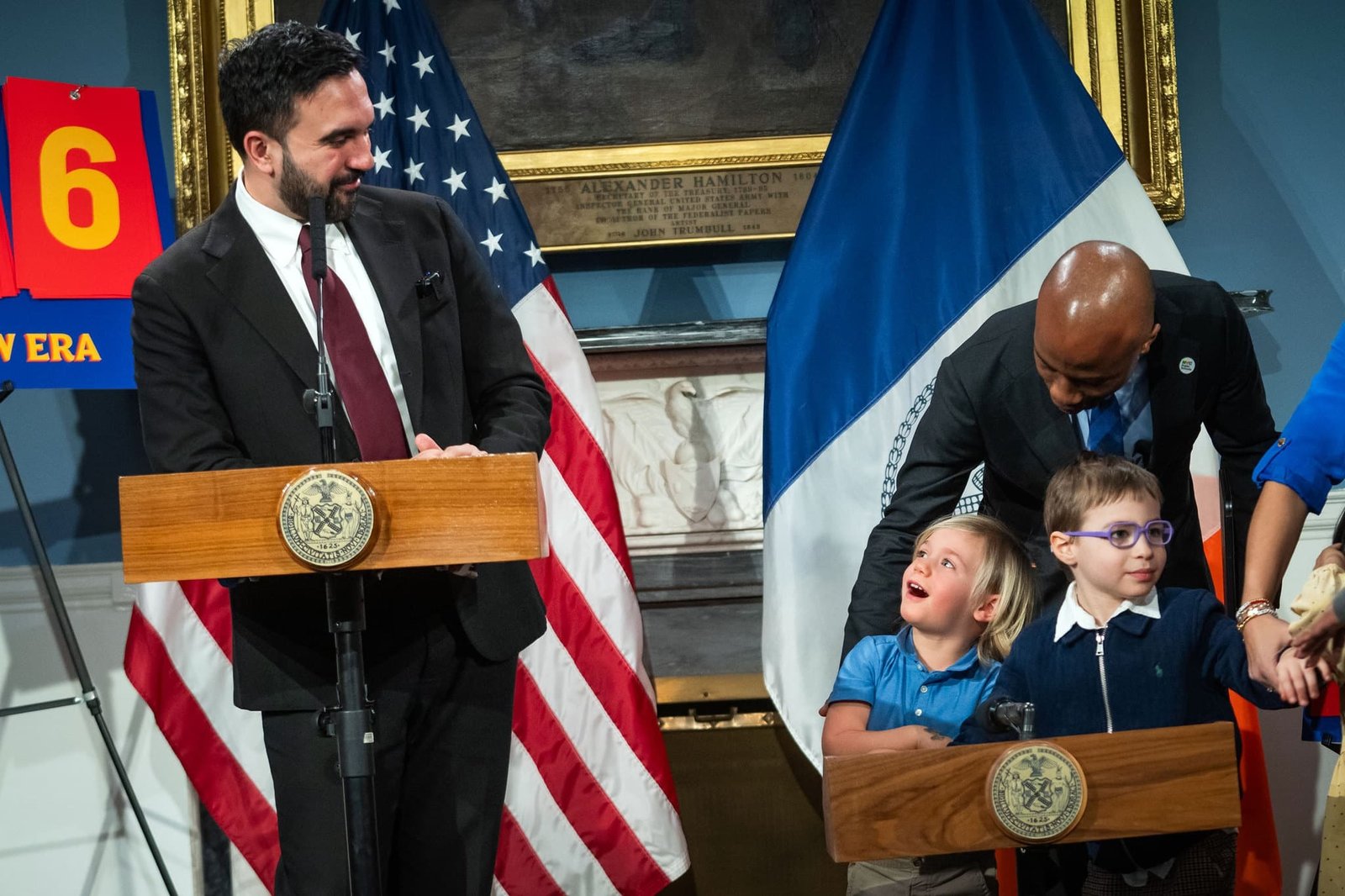
New York City Mayor Zohran Mamdani is nearing a decision on who will lead the city’s powerful child welfare agency, and his shortlist has ignited sharp debate across legal, nonprofit and political circles.
According to Daljoog News analysis, the selection of a new commissioner for the Administration for Children’s Services (ACS) has become an early test of Mamdani’s governing philosophy, especially on issues of poverty, race, and family separation.
Nearly two months into his administration, the mayor has yet to name a permanent successor to outgoing Commissioner Jess Dannhauser. That delay is unprecedented for a mayor entering office and has intensified scrutiny of the search process.
What Happened?
Interviews with city officials and advocates indicate the choice appears to be between two attorneys who have spent years representing low-income families in child welfare cases.
One candidate, Angela Burton, has built a career in legal advocacy and academia. She previously served as an adviser within New York’s court system and has publicly argued that the current child welfare structure disproportionately harms Black and low-income families.
The other leading contender, Michelle Burrell, oversees a major Queens office of Legal Services NYC. Her background includes defending parents accused of neglect and addressing housing, food insecurity, and immigration challenges that often intersect with child welfare cases.
Neither candidate has managed an organization comparable in size to ACS, which oversees a $3 billion budget, supervises more than 6,000 foster youth and conducts over 50,000 abuse and neglect investigations each year.
Other names reportedly considered include Deputy Commissioner Luisa Linares and Graham Windham CEO Kimberly Watson.
Why This Matters
ACS is one of the largest and most scrutinized child welfare systems in the United States. It operates foster care services, juvenile detention facilities and a vast childcare voucher program, while coordinating with nonprofit agencies citywide.
The agency has long faced criticism over racial disparities. Black and Latino children are significantly overrepresented in foster care compared to their share of the general population.
Burton has argued that poverty and systemic bias drive many family investigations. She has supported efforts to reduce removals and rethink the role of Child Protective Services.
Critics worry that strong anti-ACS rhetoric could undermine staff morale and complicate enforcement responsibilities. Some insiders question whether big structural change is feasible without destabilizing an agency tasked with protecting vulnerable children.
Supporters counter that reform is overdue and that bold leadership is necessary to address overcrowded facilities, strained detention centers, and traumatic family separations.
What Analysts or Officials Are Saying
Advocates aligned with parent defense movements praise Burton’s record. They argue she understands the legal framework and could realign ACS with what they describe as its core mission of supporting families rather than defaulting to removal.
Former senior ACS officials express caution. Some believe the agency has already made gradual reforms and needs experienced administrative leadership capable of managing thousands of employees and complex compliance mandates.
Burrell has drawn less public controversy but has also criticized investigative standards in child maltreatment cases. In past writing, she questioned the evidentiary thresholds that trigger removals and highlighted systemic inequities.
Meanwhile, Mamdani’s administration has remained largely silent on its timeline and priorities for ACS. That silence has fueled frustration among stakeholders seeking clarity.
Daljoog News Analysis
The mayor’s decision carries symbolic and operational weight.
Mamdani, a democratic socialist whose campaign centered on affordability and early childhood investment, now faces a choice between continuity and transformation.
Burton represents a sharper ideological break. Her appointment would likely signal a push to reduce foster care placements and confront racial disparities more aggressively. That path could energize reform advocates but provoke resistance from inside the agency and among law enforcement partners.
Burrell’s profile suggests a reform-oriented but less publicly confrontational approach. She has administrative experience overseeing large legal teams, though not an agency on the scale of ACS.
The delay in naming a commissioner has created uncertainty within the workforce. Leadership transitions in child welfare systems are delicate, particularly when oversight failures can carry tragic consequences.
The broader political risk is clear. Any high-profile incident involving child safety could quickly reshape the narrative around the administration’s choices.
What Happens Next
Sources indicate an announcement could come soon, though the mayor may also designate an interim leader if negotiations continue.
The next commissioner will inherit immediate challenges: stabilizing detention conditions, addressing racial disparities and managing a complex network of nonprofit providers.
City Council members and advocacy groups are likely to intensify oversight once the appointment becomes official.
For Mamdani, the selection will mark one of the first major tests of his administration. Whether he opts for a transformative reformer or a steadier managerial figure will shape the direction of New York City’s child welfare system for years to come.