

New York City Democratic Mayor Zohran Mamdani and Rep. Alexandria Ocasio-Cortez teamed up to promote free preschool enrollment for all children in the city, regardless of their parents’ immigration status. The announcement came through a Spanish-language video aimed at reaching immigrant communities.
According to Daljoog News analysis, the campaign reflects a broader push by progressive leaders to make early education universally accessible, framing it as both an economic relief measure and a tool for social equity. The initiative also underscores how local politicians are using digital media to directly engage families on policy issues.
The timing is significant. As New York faces rising living costs and political scrutiny over fiscal priorities, this move positions free pre-K as a cornerstone of Mamdani’s mayoral agenda and Ocasio-Cortez’s advocacy for affordable urban living.
What Happened?
The video, released on social media platforms, features Ocasio-Cortez highlighting that “any New York City parent, regardless of your occupation, income, or immigration status, is eligible to sign their child up” for free pre-K programs. Mamdani framed the initiative as part of his commitment to “universal childcare,” emphasizing that the city has simplified the application process to ensure accessibility.
The campaign promotes registration lines available in over 200 languages, aiming to remove language barriers for non-English-speaking families. Mamdani stressed that childcare costs in New York can reach $26,000 per child annually, describing this as “unsustainable” and unfair.
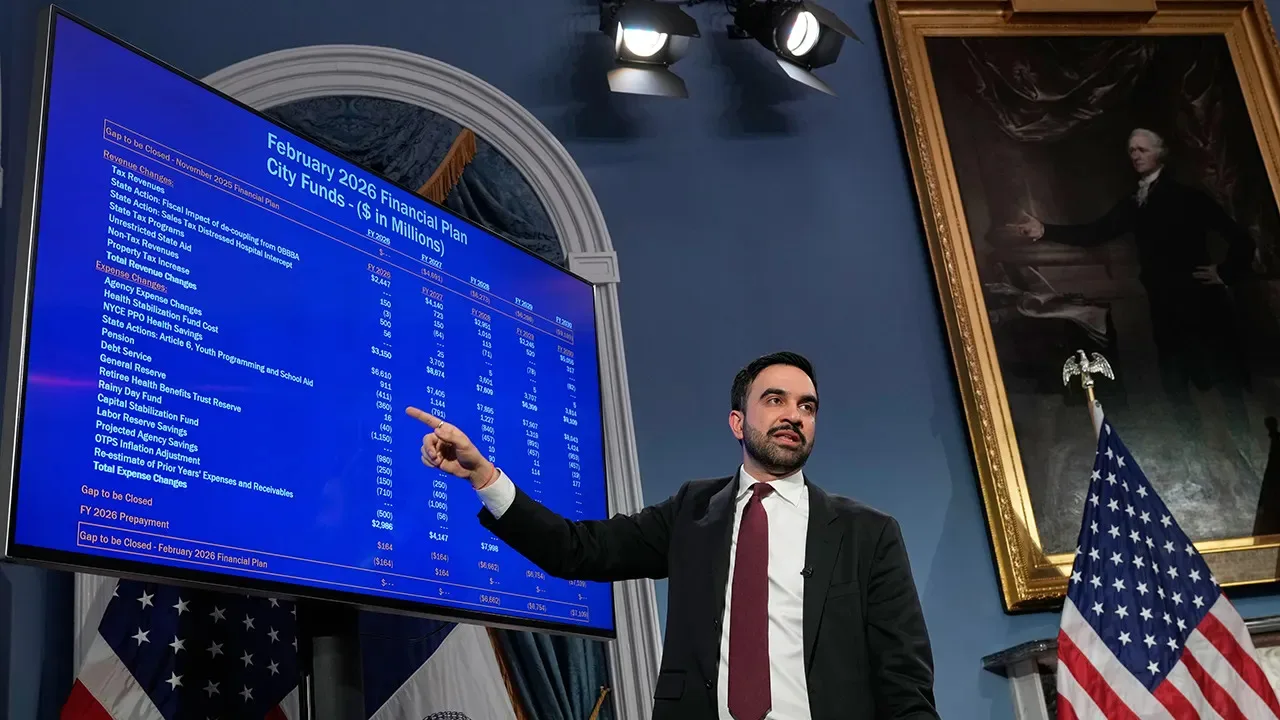
The effort coincides with the rollout of Mamdani’s broader budget plan, which invests heavily in racial equity offices and diversity initiatives while proposing cuts to 5,000 NYPD positions—a combination that has drawn both praise and criticism from media and political analysts.
Why This Matters
The initiative could have immediate effects on immigrant communities, increasing participation in early education programs and alleviating financial strain for working families. By explicitly including undocumented parents, the policy pushes the boundaries of city-led social programs and raises questions about access and equity in urban governance.
At the same time, the push comes amid rising political and fiscal scrutiny of Mamdani’s administration. Critics argue that while pre-K expansion is beneficial, it exists alongside a budget that some analysts call “unaffordable” for the city’s long-term financial health. The $127 billion spending plan has drawn comparisons to the annual expenditures of mid-sized nations, raising concerns about fiscal sustainability.
The program’s rollout also interacts with broader debates over public spending priorities, law enforcement funding, and immigrant inclusion in city services, making it a politically charged issue ahead of upcoming electoral cycles.
What Analysts or Officials Are Saying
Supporters of the initiative view it as a critical step toward making New York more inclusive and affordable. Early childhood education is widely recognized as a foundation for long-term academic and social development, and expanding access aligns with national trends in progressive cities.
However, fiscal conservatives and commentators like CNN’s Fareed Zakaria have criticized Mamdani for promoting ambitious programs without clear funding plans. Some argue that while free pre-K enrollment addresses a tangible need, it is part of a larger budget they see as “profligate,” potentially shifting financial burdens into the future.
Political analysts note that Ocasio-Cortez’s involvement elevates the national profile of the initiative, reinforcing her image as a leading progressive voice and signaling the potential for broader policy influence beyond New York.
Daljoog News Analysis
This campaign illustrates the tension between progressive social programs and fiscal oversight in major U.S. cities. While expanding pre-K access is widely lauded, linking it to immigrant inclusion adds complexity politically, socially, and administratively.
Daljoog News observes that Mamdani’s strategy blends policy promotion with media-savvy outreach. Delivering the message in Spanish directly targets communities most affected by childcare costs, while emphasizing universal eligibility positions the policy as equitable and non-discriminatory.
Yet, the broader context cannot be ignored. With criticisms of budget sustainability and staffing cuts to public safety, the free pre-K push exists in a contested political environment. The success of the initiative may depend not only on enrollment numbers but also on how the city balances ambitious social programs with fiscal accountability.
What Happens Next
Families are being encouraged to enroll children before the registration deadline to secure guaranteed pre-K placements. City agencies will likely track participation closely to measure the initiative’s impact, while advocacy groups may continue to push for expanded accessibility and language support.
Politically, the program is expected to generate both support and scrutiny as New York heads into the next electoral cycle. Observers will watch how the city manages operational and budgetary pressures while fulfilling campaign promises.
Mamdani and Ocasio-Cortez’s approach could serve as a model for other cities aiming to expand early education, particularly for immigrant populations, though its long-term sustainability remains uncertain.