


The Iowa House of Representatives has approved legislation requiring the creation of a 30-year statewide resilience strategy aimed at protecting lives, property, and infrastructure from floods and other water-related disasters.
According to Daljoog News analysis, the bill represents a structural shift in how Iowa prepares for extreme weather, moving from reactive disaster recovery toward long-term planning and risk reduction.
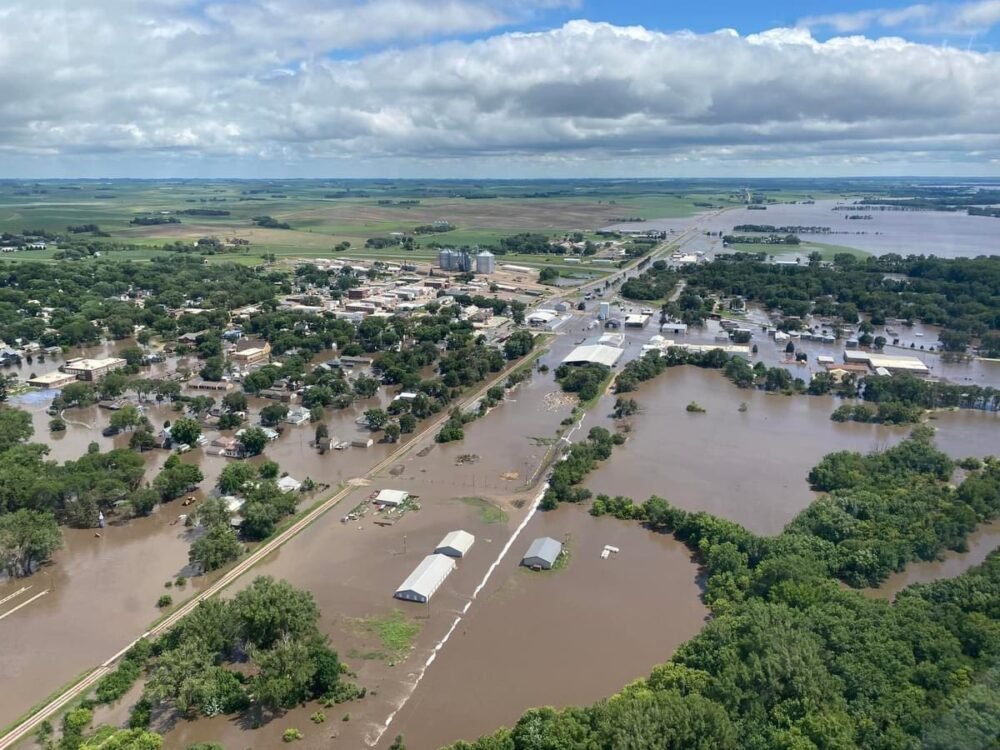
The proposal arrives as Iowa continues to rank among the states most affected by natural disasters, with repeated flooding events placing pressure on communities, agriculture, and transportation systems.
What Happened?
Lawmakers passed House File 2511 on Wednesday with unanimous support, sending the measure to the Iowa Senate for consideration.
The legislation directs the Iowa Flood Center to draft and regularly update a comprehensive 30-year resilience plan. The strategy would include a statewide risk assessment and identify priority projects designed to reduce flood damage.
Under the bill, the plan must focus on protecting “critical” and “regionally significant” assets. These include highways, bridges, evacuation routes, emergency facilities, and natural or historic sites vulnerable to flooding.
Representative John Wills described the legislation as overdue, arguing that the state should have developed a unified resilience blueprint decades ago. He framed the bill as a long-term safeguard against floods, drought, and fluctuating water supplies.
Lawmakers amended the measure before passage. The final version shifts the completed plan to the state homeland security department and extends the report deadline from 2027 to 2028. It also clarifies that risk-reduction strategies must remain voluntary to protect private property rights.
The bill received bipartisan backing, with no registered opposition during committee review.
Why This Matters
Iowa’s geography and river systems make it highly vulnerable to flooding. Severe events in recent decades have damaged towns, farmland, and infrastructure, costing billions in recovery and insurance payouts.
Historically, much of the state’s disaster response has focused on post-event cleanup and rebuilding. The new legislation attempts to institutionalize pre-disaster mitigation instead.
Supporters argue that proactive planning reduces long-term costs. By identifying high-risk zones and prioritizing resilience projects, the state could limit future losses and stabilize insurance and recovery expenditures.
The legislation also reflects broader national trends. States across the Midwest are reassessing infrastructure resilience as extreme rainfall patterns and river surges appear more frequent.
What Analysts or Officials Are Saying
Representative Wills called the proposal a forward-looking framework that changes how Iowa approaches water-related threats. He emphasized that the measure targets flood resilience rather than water quality regulation.
Representative Monica Kurth noted that Iowa ranks near the top nationally for disaster impacts. She argued that the state needs a structured resilience plan to address growing risks.
Environmental organizations supported the bill during earlier hearings. Representatives from The Nature Conservancy endorsed the inclusion of “natural infrastructure” solutions such as wetland restoration to absorb floodwaters.
Emergency management advocates raised procedural questions. Some suggested that the state’s homeland security and emergency management agency may be better positioned to coordinate federal partnerships and hazard mitigation frameworks. Lawmakers addressed that concern by directing the final plan to the homeland security department.
Industry and agricultural groups did not formally oppose the bill, likely due in part to amendments ensuring voluntary compliance measures.
Daljoog News Analysis
The unanimous vote signals rare bipartisan agreement on long-term climate resilience.
Iowa lawmakers appear to recognize that disaster response alone cannot keep pace with escalating weather costs. A structured, decades-long plan offers predictability for local governments and infrastructure planners.
However, execution will determine impact. Drafting a 30-year blueprint is one step; funding and implementing prioritized projects is another.
The voluntary nature of risk-reduction strategies may ease property rights concerns but could limit effectiveness if participation remains uneven.
Still, the bill’s passage indicates a philosophical shift. Instead of debating whether floods are increasing, legislators are focusing on managing risk regardless of cause.
By embedding resilience planning into state policy, Iowa positions itself to compete for federal mitigation grants and infrastructure funding. Federal agencies often prioritize states with formal hazard mitigation frameworks.
If properly funded and updated, the plan could serve as a template for other Midwestern states facing similar hydrological challenges.
What Happens Next
The Iowa Senate will now consider the companion legislation. A similar proposal advanced from a Senate subcommittee earlier in the session but did not clear committee deadlines before the legislative funnel.
If senators approve the bill, the Iowa Flood Center will begin developing the statewide risk assessment and project inventory.
The completed plan must be delivered to the state homeland security department by 2028. Periodic updates will follow to account for new data, infrastructure changes, and emerging threats.
Local governments, conservation groups, and emergency managers are expected to play a role in shaping priorities once the drafting process begins.
For Iowa communities that have endured repeated flooding, the measure offers a long-term framework rather than a short-term fix.