


Former President Bill Clinton told a House committee on Friday that he had “no idea” about the criminal activities of Jeffrey Epstein and insisted he “did nothing wrong” in his interactions with the disgraced financier. The testimony came a day after his wife, Hillary Clinton, appeared before the same panel and criticized the proceedings as “partisan political theater.”
According to Daljoog News analysis, Clinton’s testimony highlights the scrutiny former presidents face regarding associations with controversial figures. The deposition also raises questions about accountability, political narrative, and how historical relationships are interpreted under intense congressional investigation.
The hearings are part of a broader congressional effort to review Epstein’s networks, his connections to public figures, and how federal and state authorities handled his cases before he died in 2019.
What Happened?
Clinton’s six-hour deposition before the House Oversight Committee included questions about his personal and political ties to Epstein. He said he would have reported Epstein’s criminal activity if he had known about it and referenced his own childhood experiences in an abusive household as motivation for acting responsibly.
The former president acknowledged flying on Epstein’s private jet several times in the early 2000s but denied ever visiting Epstein’s private island. He said he ended his association with Epstein around 2005, before the financier pleaded guilty to solicitation of a minor in Florida in 2008.
Clinton also noted conversations with Donald Trump regarding Epstein, saying Trump indicated they had fallen out. According to committee chair James Comer, Clinton suggested Trump was “not involved” in Epstein’s crimes, though Democrats on the committee disputed Comer’s interpretation.
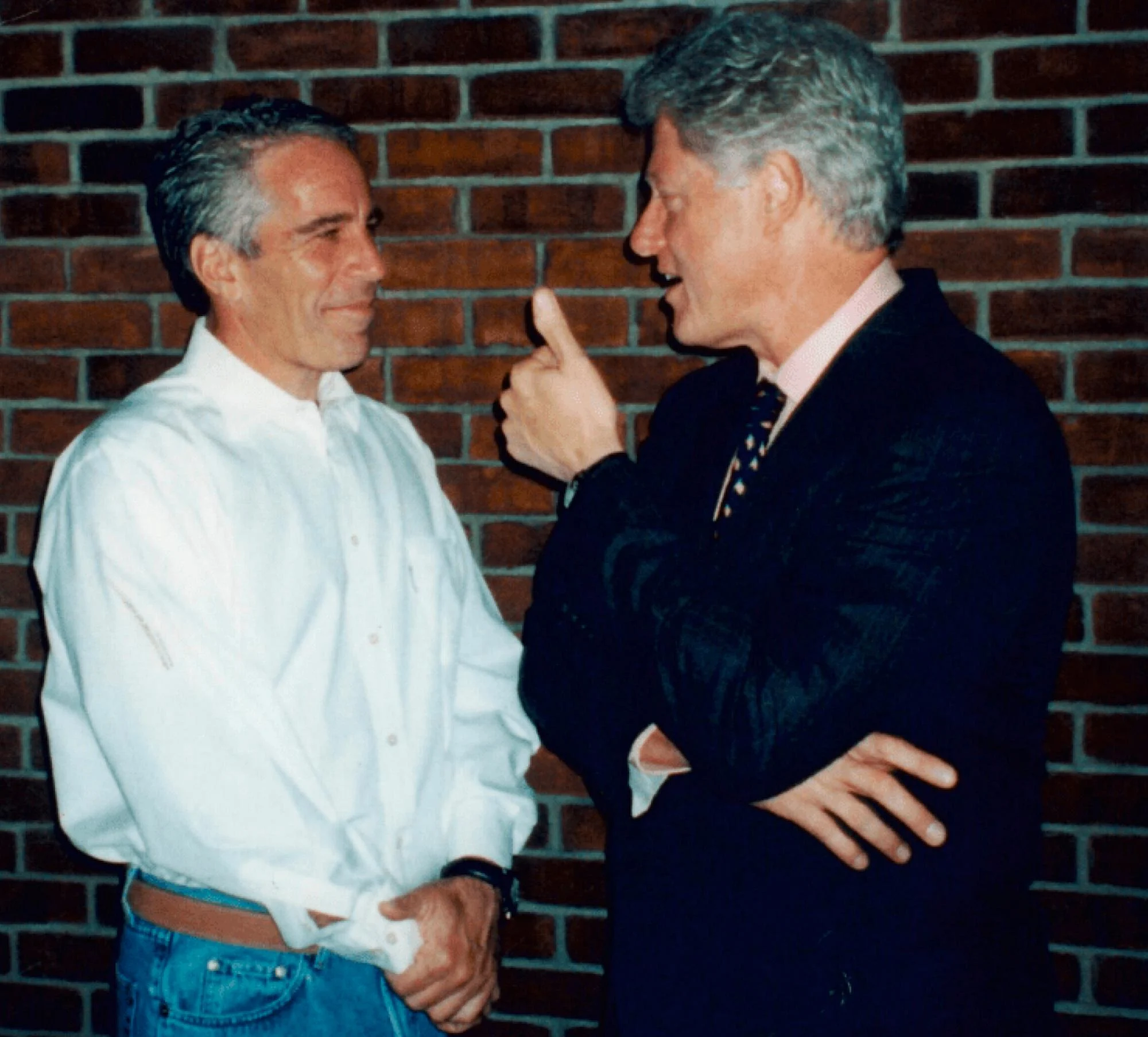
The deposition touched on photographs showing Clinton, Epstein, and unidentified women. Clinton reportedly told the committee he did not know the identity of one woman depicted in a hot tub photo and denied sexual contact with her or others shown.
Why This Matters
Clinton’s testimony marks a historic moment: he is the first former president to testify under subpoena before Congress since Gerald Ford in 1983. It sets a precedent for how lawmakers can investigate former presidents and their associates in matters of public interest.
The hearings also intensify the spotlight on political figures with historical connections to Epstein. Republicans are pushing to highlight potential lapses in judgment, while Democrats emphasize partisan overreach and unrelated lines of questioning, such as UFOs and conspiracy theories.
This process may influence public perception of accountability for former presidents, the handling of high-profile criminal cases, and congressional oversight powers.
What Analysts or Officials Are Saying
House Oversight Committee Chair James Comer described Clinton’s deposition as “very productive,” noting that the former president answered every question. He emphasized the broader point that the government failed Epstein’s victims, particularly in Palm Beach during the early stages of prosecution.
Democratic members, including Robert Garcia and Ro Khanna, criticized the characterization of Hillary Clinton’s testimony and argued the committee should subpoena Trump to provide comparable accountability.
Observers note that Clinton’s testimony was both defensive and strategic, aiming to protect his legacy while cooperating with legal and political inquiries. The proceedings also reflect ongoing partisan tensions over congressional oversight and public trust in government investigations.
Daljoog News Analysis
Clinton’s appearance underscores the delicate balance former presidents must strike between transparency and protecting personal reputation. While he denied knowledge of Epstein’s crimes, the deposition raises complex questions about public perception, historical judgment, and the influence of political affiliations.
The hearing also highlights procedural challenges in congressional oversight. With disagreements over interpretations of statements and repeated questioning on tangential matters, the process illustrates how political and legal scrutiny intersect.
Daljoog News notes that this testimony could influence how future congressional investigations approach figures with high-profile connections to controversial individuals. It sets a benchmark for transparency, cooperation, and the potential political consequences of past associations.
What Happens Next
The House Oversight Committee will review the depositions and determine whether further testimony is necessary. Committee Democrats are pushing for a subpoena of former President Trump to clarify his knowledge and involvement regarding Epstein.
The public and media will continue analyzing both Clintons’ statements, with a focus on reconciling historical facts with political narratives. The hearings may also inform legislative discussions on oversight, accountability, and the handling of individuals connected to criminal networks.