

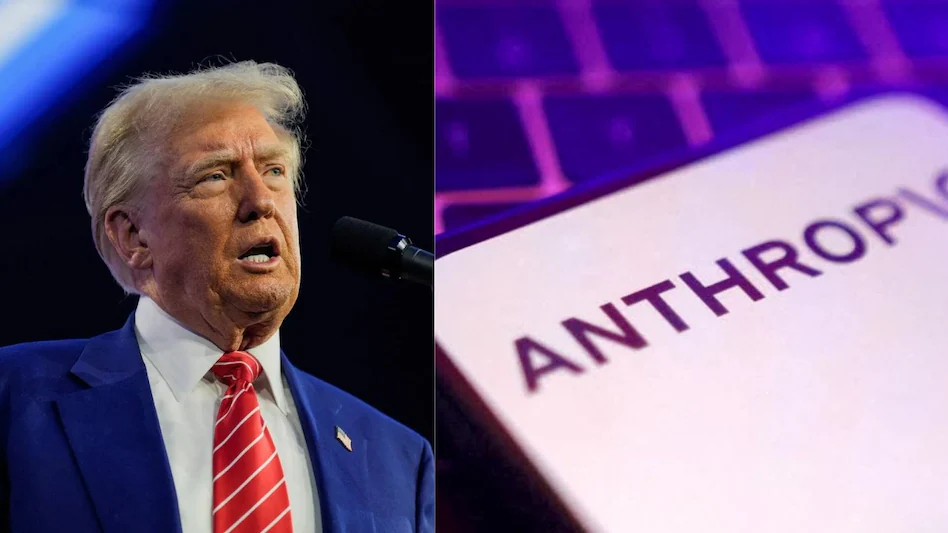
Anthropic, the U.S.-based artificial intelligence company, said Friday it will challenge in court the Pentagon’s decision to classify it as a supply-chain risk. The announcement came just hours after President Donald Trump directed all federal agencies to suspend work with the AI firm.
According to Daljoog News analysis, the legal dispute raises critical questions about how government agencies evaluate technological risks and the authority of the federal government to restrict private companies from working with public programs. The case could set an important precedent for the AI sector and federal procurement rules.
The move follows heightened scrutiny of AI technologies in sensitive government applications, as officials weigh cybersecurity, ethical, and national security concerns.
What Happened?
The U.S. Department of Defense recently flagged Anthropic as a potential supply-chain risk, effectively halting contracts and partnerships with the company. While specific reasons for the designation have not been publicly detailed, government officials cited concerns about security and the handling of sensitive data.
Hours after the Pentagon announcement, Trump issued a directive requiring all federal agencies to stop working with Anthropic, effectively expanding the suspension across government departments. The combined actions threaten the company’s ongoing and future federal engagements.
In response, Anthropic said it plans to pursue legal action to challenge both the Pentagon’s designation and the resulting federal restrictions. Company officials stressed that they have complied with all government security protocols and consider the risk label unfounded.
Why This Matters
Anthropic’s legal challenge could reshape how federal agencies assess and act on perceived technology risks. Supply-chain risk designations are typically reserved for companies whose products or operations could compromise national security, but critics argue that the criteria and process remain opaque.
For the AI industry, the case highlights the growing tension between private innovation and government oversight. Companies developing advanced technologies face potential disruptions from regulatory or political actions, even in the absence of evidence of wrongdoing.
What Analysts or Officials Are Saying
Industry analysts note that Anthropic’s court challenge could push agencies to clarify rules around supply-chain risk assessments. Legal experts suggest the company may argue that the Pentagon’s designation and Trump’s directive exceed statutory authority or fail to provide due process.
Government officials have not commented beyond the original Pentagon and White House announcements. Observers expect close attention from both Congress and the tech sector as the case develops.
Daljoog News Analysis
Daljoog News observes that the dispute reflects a broader struggle over AI governance, national security, and the role of federal oversight. The Pentagon’s decision signals caution in integrating AI systems, but the legal challenge underscores concerns about transparency, fairness, and the potential chilling effect on innovation.
The case may also have political overtones, given Trump’s direct involvement and the high-profile nature of the AI sector. How the courts rule could influence both federal contracting policy and private-sector confidence in AI development.
What Happens Next
Anthropic’s lawsuit is expected to be filed in federal court in the coming weeks. The court will likely evaluate the legality of the Pentagon’s supply-chain risk designation and whether federal agencies exceeded their authority in halting contracts.
In parallel, industry stakeholders and federal regulators may review existing AI oversight frameworks, potentially prompting updated guidelines for how advanced technologies are assessed in sensitive government applications.