

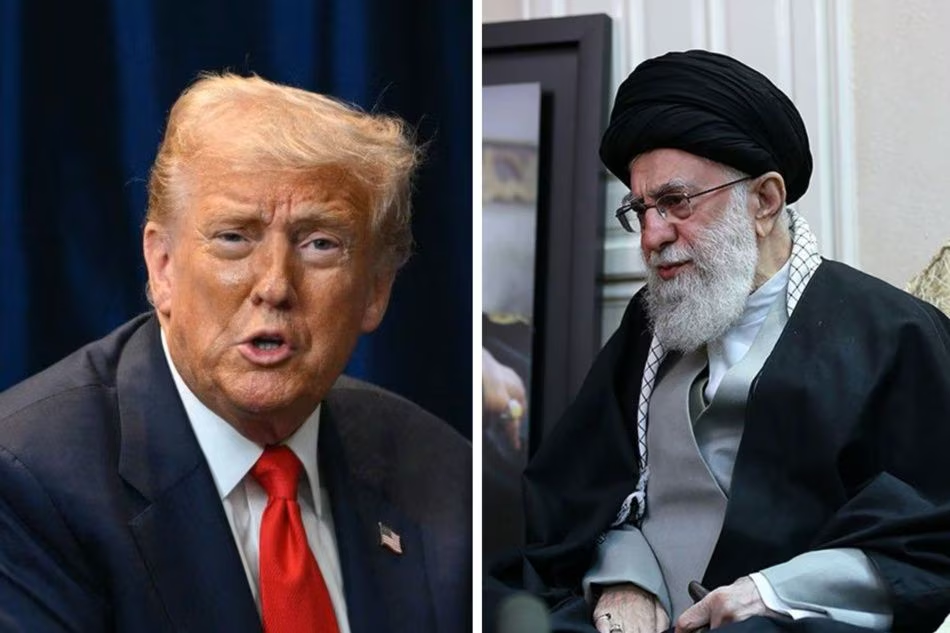
U.S. President Donald Trump announced overnight that Iran’s Supreme Leader Ayatollah Ali Khamenei had been overthrown following joint American and Israeli missile strikes on Tehran. The claim came hours after explosions rocked multiple Iranian cities, including areas near key government and military facilities.
According to Daljoog News analysis, the statement marks a dramatic escalation in rhetoric, as no independent confirmation has been provided of any leadership change in Tehran. Iranian officials insist Khamenei remains alive and in a secure location.
The developments follow days of rising tensions over Iran’s nuclear program and stalled diplomatic efforts between Washington and Tehran. The region now faces one of its most volatile moments in years.
What Happened?
Early Saturday local time, Israeli and U.S. forces launched coordinated missile strikes targeting what they described as Iranian military and strategic infrastructure.
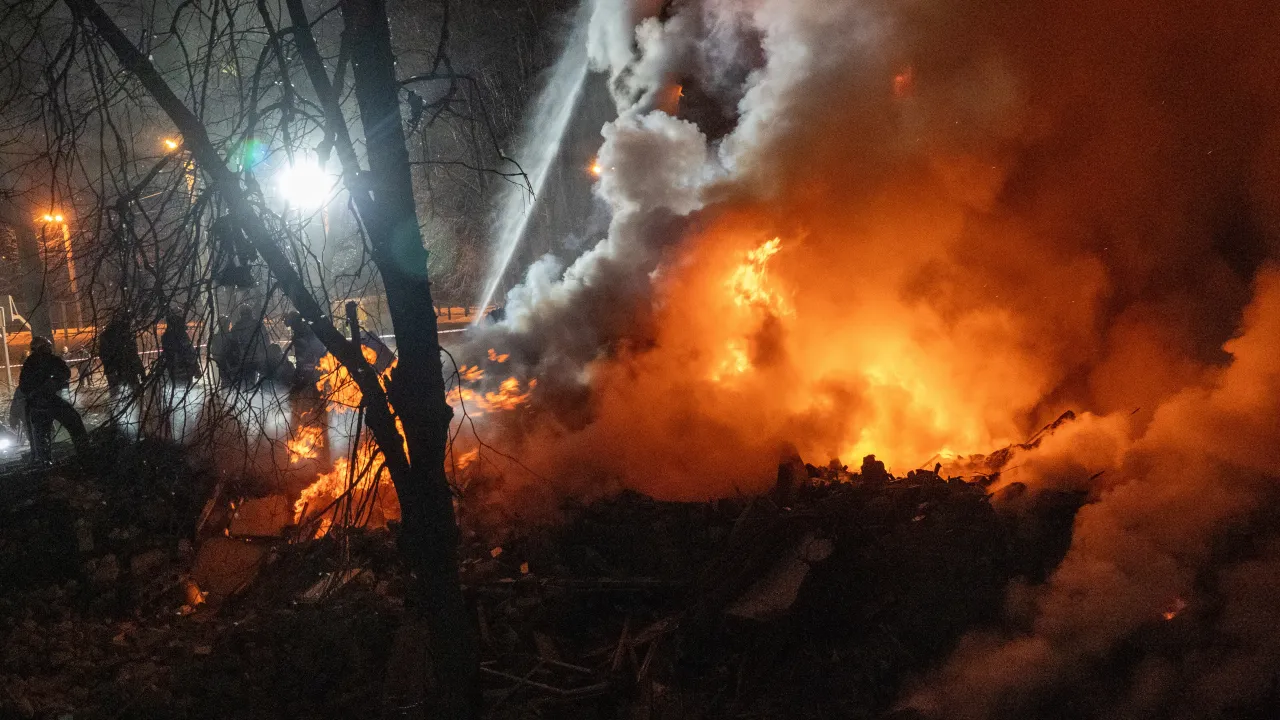
Explosions were reported across Tehran. Iranian state media said several government-linked sites were hit, including facilities tied to the intelligence ministry, the defense ministry, and the Atomic Energy Organization of Iran.
Local reports also indicated blasts near the office compound of Ayatollah Ali Khamenei. However, Iranian authorities later said the Supreme Leader was unharmed and had been moved to a secure location.
Iran’s president, Masoud Pezeshkian, was also reported safe.
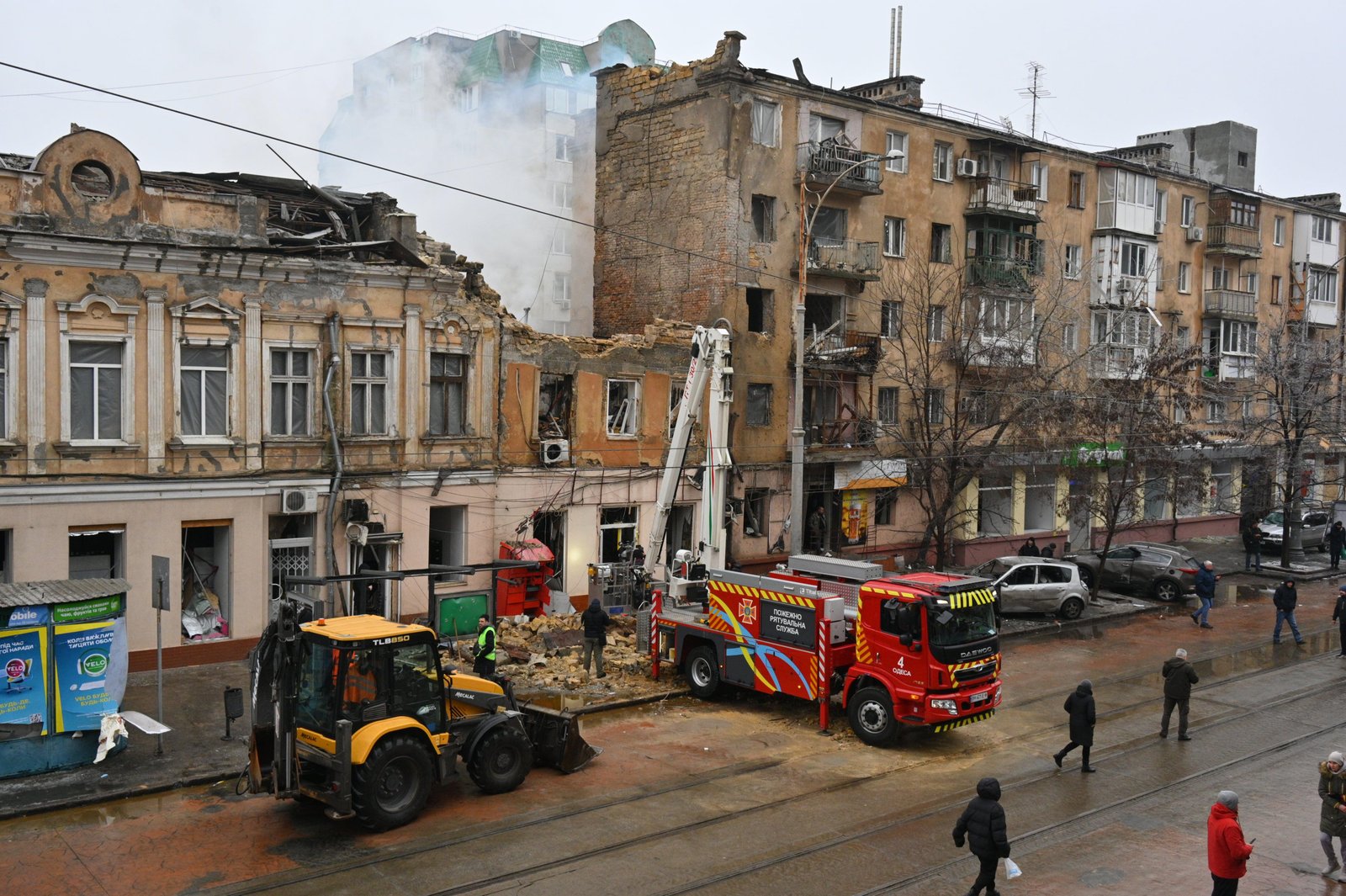
Iranian officials said the strikes affected multiple provinces. Reports circulating in local media claimed significant casualties, including civilians. Damage assessments remain contested and difficult to independently verify.
Airspace across Iran was closed following the attacks.
Within hours, Iran launched retaliatory missile strikes toward Israel’s northern region. It also targeted U.S. military installations in Gulf countries, including the United Arab Emirates, Qatar, Kuwait and Bahrain.
In Abu Dhabi, authorities confirmed one civilian fatality after debris from intercepted projectiles struck a residential area. Bahrain and Qatar reported air defense interceptions near American facilities.
Washington ordered staff at its embassy in Doha to relocate temporarily as a precaution.
Why This Matters
Trump’s claim that Khamenei was removed from power, if unverified, introduces a new layer of instability.
Regime change rhetoric has historically triggered prolonged conflict in the Middle East. Iran’s political system centers on the authority of the Supreme Leader, making any claim about his removal highly consequential.
If Khamenei remains in control, Trump’s statement could inflame tensions further. If internal power shifts are underway, Iran could face significant domestic uncertainty.
The strikes also expand the battlefield beyond Israel and Iran. U.S. military bases in Gulf states now sit directly within the confrontation zone.
Energy security concerns are rising again. Any prolonged conflict risks affecting shipping routes and oil markets.
Regional governments have closed or restricted airspace. Airlines have canceled flights, and travel warnings are spreading.
What Analysts or Officials Are Saying
President Donald Trump framed the strikes as necessary to neutralize threats linked to Iran’s nuclear and military capabilities. He argued that the operation protects American citizens and weakens what he described as a hostile regime.
Iran’s leadership rejected the overthrow claim outright. Officials insisted that the country’s political structure remains intact and warned of continued retaliation.
Security experts caution that leadership removal in Iran would not happen instantly through airstrikes alone. Iran’s political system includes institutional layers such as the Assembly of Experts and the Islamic Revolutionary Guard Corps, making sudden collapse unlikely without internal alignment.
Regional governments have emphasized sovereignty and defensive measures. Gulf states are focusing on interception success and civilian safety rather than endorsing broader political claims.
Diplomatic observers note that nuclear negotiations between Washington and Tehran had stalled in recent days, with escalating warnings preceding the strikes.
Daljoog News Analysis
Trump’s overnight announcement appears designed to project decisive action. However, without independent verification, the overthrow claim risks undermining credibility if contradicted by developments on the ground.
Military strikes can damage infrastructure and leadership compounds. Removing a deeply entrenched political figure like Khamenei would require more than external bombardment.
Iran’s rapid retaliation signals that command structures remain functional. Missile coordination across multiple fronts suggests operational continuity rather than collapse.
At the same time, Tehran faces internal economic pressure and public dissatisfaction. External military action, combined with domestic strain, can lead to unpredictable outcomes.
The targeting of U.S. bases in Gulf states broadens the conflict. Regional actors now face increased exposure despite not being primary combatants.
If leadership stability in Tehran holds, the confrontation could shift toward sustained military exchange. If fractures emerge within Iran’s elite circles, the region may confront a new phase of political transition.
What Happens Next
The immediate focus will be verification.
Independent confirmation regarding Khamenei’s status will determine the credibility of Trump’s statement. Satellite imagery, official Iranian broadcasts, and diplomatic intelligence will be closely watched.
Iran may continue retaliatory strikes, particularly against Israeli targets and U.S. facilities in the Gulf.
Washington could either escalate further or signal limits to its objectives.
International actors, including European governments and Gulf states, may push for urgent de-escalation talks to prevent a broader regional war.
For now, uncertainty defines the moment. Claims of regime change carry immense weight, but events on the ground will decide whether this marks a political turning point or a high-risk rhetorical escalation in an already dangerous conflict.