

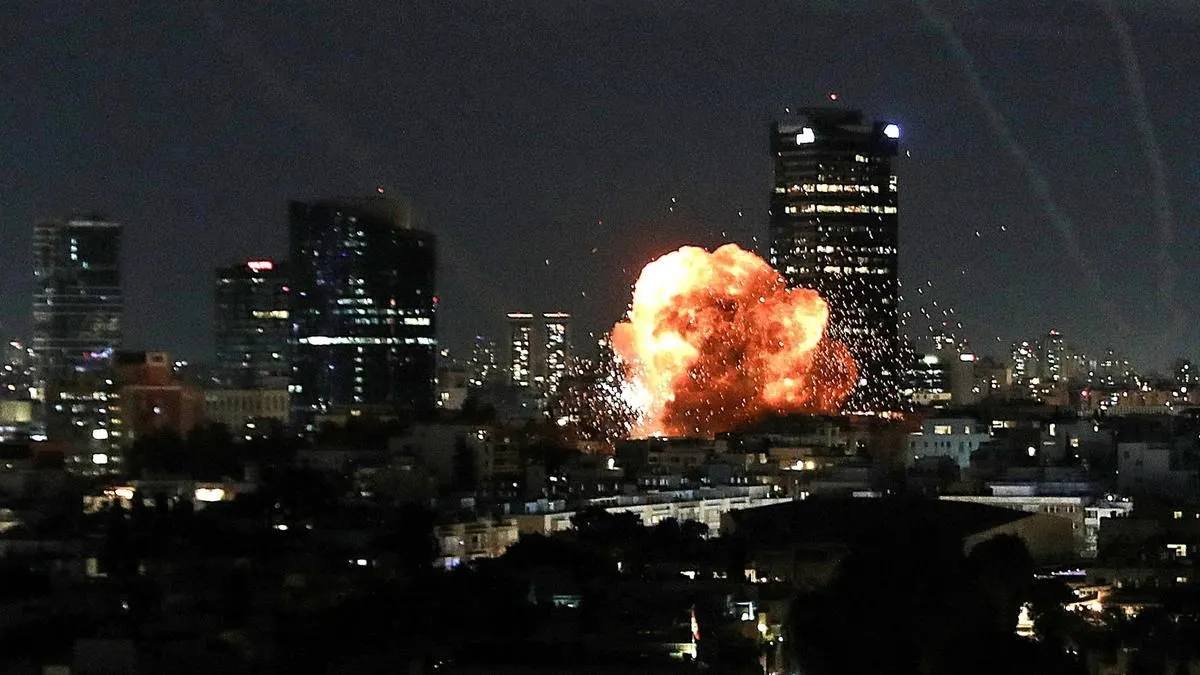
Iran’s state media confirmed that Supreme Leader Ayatollah Ali Khamenei has died following joint U.S.-Israeli airstrikes, marking the end of an era that shaped the Islamic Republic for more than three decades. Tehran declared 40 days of national mourning as the country braces for political and military fallout.
According to Daljoog News analysis, the confirmation transforms what began as an information war into a direct strategic rupture. With Iran’s highest authority gone, the balance between retaliation and internal transition becomes the central question.
The announcement arrives amid intensifying regional conflict. U.S. and Israeli forces continue targeted strikes, while Iran has launched waves of missiles toward Israeli territory and American-linked installations in the Gulf.
What Happened?
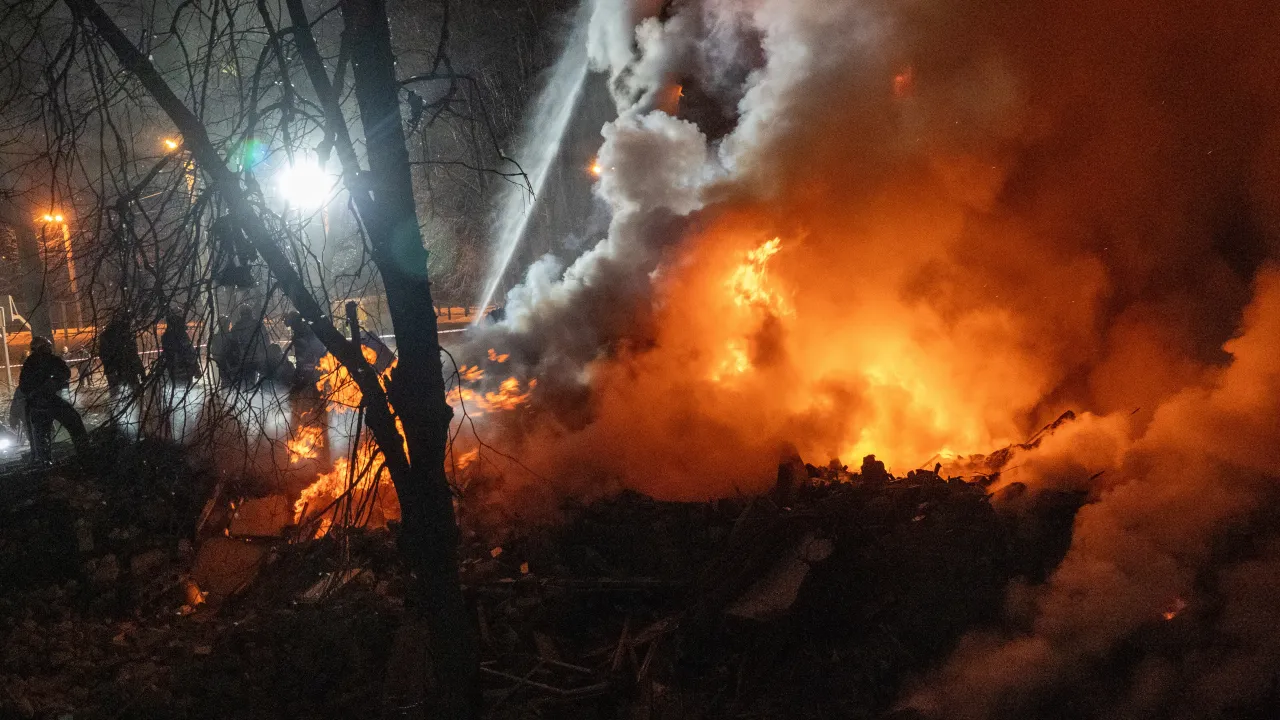
Iranian authorities stated that Khamenei was killed during coordinated U.S.-Israeli precision strikes aimed at senior leadership and military infrastructure. Officials confirmed that several high-ranking commanders and members of his family also died in the attack.
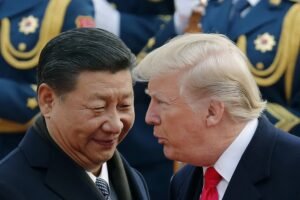
President Donald Trump had earlier announced the operation, describing it as the result of advanced tracking systems and close intelligence cooperation. He framed the strike as a decisive blow against what he called destabilizing leadership in Tehran.
Following confirmation of Khamenei’s death, Iran initiated large-scale retaliatory missile launches toward Israel. Sirens sounded in multiple Israeli cities as air defense systems responded.
Missiles were also directed at U.S. military installations in Gulf states, including the United Arab Emirates, Qatar, Kuwait and Bahrain. Regional authorities reported interceptions but confirmed heightened alert levels across airspace and defense networks.
The Pentagon stated that operations against Iran’s Islamic Revolutionary Guard Corps and other strategic facilities are ongoing. Officials described the strikes as focused and targeted.
Tehran closed national airspace and mobilized security forces across major cities.
Why This Matters
Khamenei led Iran since 1989. As Supreme Leader, he controlled the armed forces, judiciary and major political decisions. His death creates an unprecedented leadership transition during active conflict.
Iran’s constitution assigns the Assembly of Experts the responsibility of appointing a successor. However, wartime conditions complicate that process.
The continuation of U.S.-Israeli airstrikes signals that military objectives extend beyond leadership removal. Sustained operations increase the likelihood of prolonged confrontation.
Regional states face rising exposure. Gulf governments have activated air defense systems and issued flight restrictions. The security of energy infrastructure remains a global concern.
Financial markets and oil traders are watching closely. Escalation could disrupt shipping lanes and affect global supply stability.
What Analysts or Officials Are Saying
President Trump stated that operations will continue until what he described as lasting stability is achieved in the region. He emphasized precision targeting and strategic coordination.
Iranian officials vowed sustained retaliation. Military spokespeople signaled that missile launches will persist as long as foreign strikes continue.
Exiled Iranian royal figure Reza Pahlavi declared the moment the collapse of the Islamic Republic’s era, urging political transformation.
Security analysts caution that removing a central figure does not automatically dismantle institutional power. The Islamic Revolutionary Guard Corps retains operational capacity and political influence.
Regional governments have largely avoided direct political commentary, focusing instead on defensive measures and civilian protection.
Daljoog News Analysis
Khamenei’s confirmed death marks a historic rupture in Iran’s modern political structure.
Yet regime systems rarely collapse overnight. Power in Tehran rests within layered institutions, including clerical councils and military leadership. Continuity may emerge faster than external observers expect.
At the same time, the symbolism of this strike carries immense weight. It represents the most direct assault on Iran’s top authority since the 1979 revolution.
Iran’s missile response demonstrates that command structures remain active. The scope and coordination of launches indicate centralized operational control.
The strategic question now centers on endurance. Can Iran sustain retaliation under ongoing bombardment? Can the United States and Israel manage escalation without triggering broader regional war?
Gulf states sit uneasily between both sides. Their defensive posture reflects concern about becoming prolonged battlegrounds.
What Happens Next
Iran’s Assembly of Experts is expected to convene to determine interim leadership arrangements. Internal deliberations may occur behind closed doors.
Missile exchanges could intensify in the coming days. Air defense systems across Israel and the Gulf remain fully activated.
Washington and Tel Aviv may expand or narrow strike objectives depending on Iran’s response patterns.
Diplomatic channels, though strained, may reopen under pressure from global powers seeking de-escalation.
The region now enters a volatile transition period. Leadership change amid open conflict creates uncertainty not only for Iran, but for the entire Middle East security architecture.