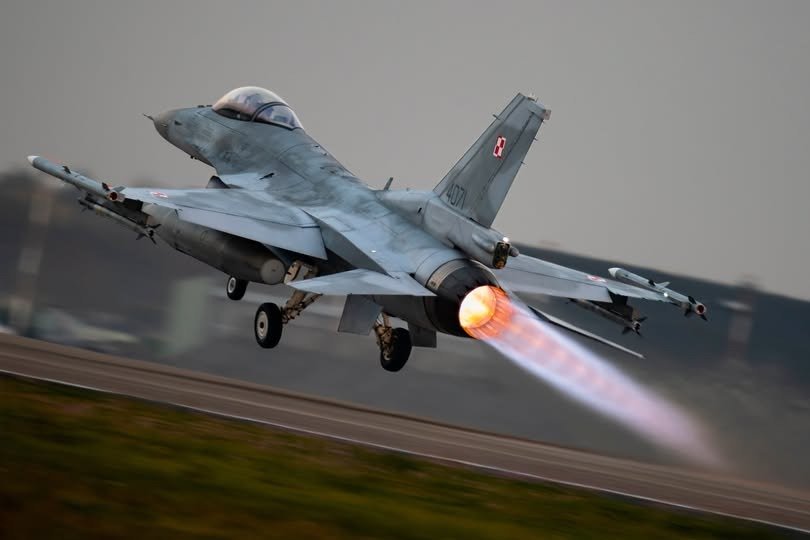


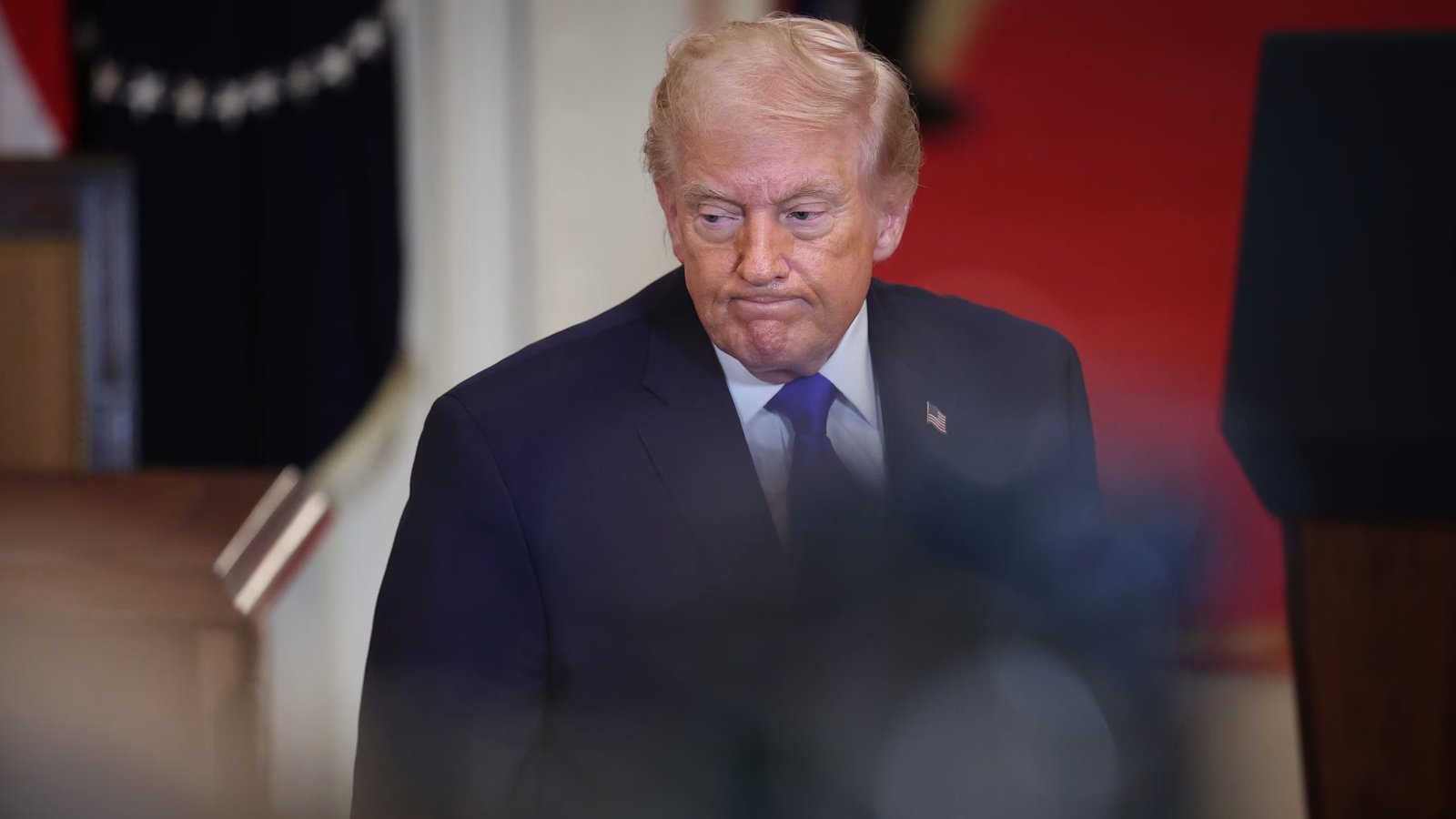
As U.S. military operations in Iran escalate, President Donald Trump is facing mounting scrutiny at home. Lawmakers and citizens are demanding answers about the rationale, goals, and potential consequences of the recent strikes.
According to Daljoog News analysis, Trump’s administration is navigating a delicate balance between regional strategy and domestic accountability. Congressional hearings have placed the president’s foreign policy decisions under intense review, highlighting the tension between executive action and legislative oversight.
The timing is significant. With ongoing military actions in the Middle East and the domestic debate heating up, this moment could shape both public perception and political maneuvering ahead of the next election cycle.
What Happened?
On Monday evening, U.S. Secretary of State Marco Rubio appeared before Congress to explain the Trump administration’s rationale for military strikes against Iran. Rubio emphasized that Israel had been prepared to attack Iranian targets first, and that U.S. forces would have become immediate targets if Tehran retaliated. The strikes were framed as preemptive measures aimed at avoiding greater damage.
The hearing included appearances by CIA Director John Redcliffe and Joint Chiefs of Staff Chairman Dan Keen, providing top-level intelligence and military perspectives on the conflict. Rubio’s testimony prompted mixed reactions among senior congressional members, reflecting the contentious nature of the administration’s decisions.
Later in the week, the Senate is expected to vote on a War Powers Resolution proposed by Senators Tim Kaine and Rand Paul. The resolution would seek to limit the president’s authority to continue military operations in Iran, requiring him to halt actions unless authorized by Congress. Analysts believe passage is unlikely, but the vote underscores the growing political pressure surrounding the issue.
Why This Matters
The debate over Trump’s Iran policy is intensifying political divisions within the United States. Republican lawmakers largely defend the president’s approach, citing national security and deterrence, while Democrats warn of an unnecessary conflict without a clear exit strategy.
Secretary Rubio and Vice President JD Bess have both stressed that preventing Iran from developing nuclear weapons remains the central objective. At the same time, ongoing strikes and retaliatory attacks in the region, including drone and missile launches against U.S.-allied territories, have raised casualty concerns. Iran reports at least 787 deaths, while the U.S. acknowledges six military fatalities.
This combination of foreign escalation and domestic criticism highlights the high stakes for both U.S. military strategy and political credibility.
What Analysts or Officials Are Saying
Experts and lawmakers have weighed in on the administration’s approach. Senate Intelligence Committee Vice Chairman Mark Warner cautioned that a lack of clear planning could exacerbate risks in the Middle East. Senate Democratic leader Chuck Schumer described the strikes as Trump’s unilateral decision, warning that the administration has not outlined an endgame for the conflict.
Congressional hearings and statements from top officials reveal how divided opinions are within the government. While national security concerns are cited as justification for the strikes, questions persist about oversight, transparency, and long-term consequences for both U.S. foreign policy and domestic politics.
Daljoog News Analysis
Daljoog News notes that the Trump administration’s Iran strategy is testing the limits of executive power. Preemptive strikes may have reduced immediate threats to U.S. personnel, but they have also intensified congressional scrutiny and public debate. The polarized response—from supportive Republicans to skeptical Democrats—reflects the broader challenge of aligning military strategy with democratic accountability.
The coming weeks will be critical in determining whether domestic pressure will influence the administration’s decisions. Congressional hearings, the pending War Powers vote, and ongoing Middle East developments will continue to shape the political narrative.
What Happens Next
Attention now turns to how Congress will respond to the administration’s actions. The War Powers Resolution vote may serve as a symbolic test of legislative authority, even if its passage is unlikely. Meanwhile, U.S.-Iran tensions are expected to persist, with potential for further retaliatory strikes and regional instability.
Domestic politics will remain tightly intertwined with foreign policy outcomes. Analysts warn that the Trump administration’s handling of Iran could have lasting implications for public opinion, electoral politics, and the United States’ strategic position in the Middle East.