


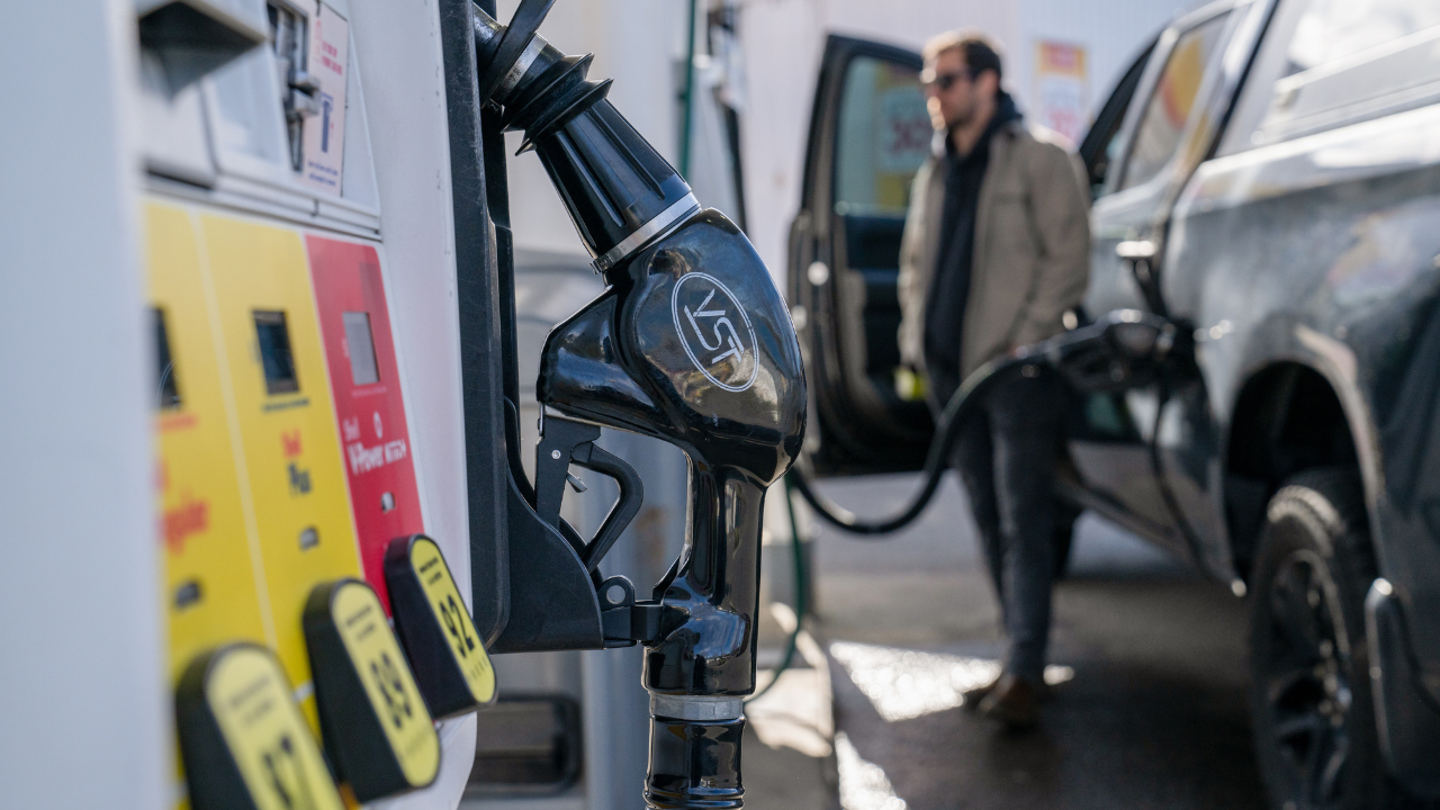
The ongoing conflict involving Iran has sent shockwaves through the U.S. domestic fuel market, driving prices to unprecedented levels. Supply disruptions along key shipping routes have left gasoline scarce, pushing costs per gallon to record highs in several states.
According to Daljoog News analysis, this surge reflects a combination of geopolitical tension and underlying vulnerabilities in global oil supply chains. The disruption is particularly severe given previous market strains from the COVID-19 pandemic and the Russia-Ukraine conflict.
The timing is significant. With the U.S. preparing for upcoming elections and consumers facing steep energy costs, this fuel crisis could have wide-ranging economic and political consequences in the coming weeks.
What Happened?
Supply disruptions have intensified as tanker traffic through the strategic Hormuz Strait has slowed dramatically. The conflict involving Iran has led to logistical challenges for oil carriers, effectively bottlenecking exports from the region.
On Tuesday, gasoline prices in the U.S. reached record levels per gallon, surpassing previous peaks seen during the COVID-19 pandemic and following the Russia-Ukraine war. Some regions are reporting even higher local prices, reflecting uneven distribution and logistical constraints.
The scarcity of fuel has strained domestic markets and added pressure on transportation, manufacturing, and household budgets. Analysts note that such a rapid increase in fuel costs is unusual outside of major global crises.
Why This Matters
High fuel prices directly affect consumer spending, transportation costs, and inflation across multiple sectors. Economists warn that continued escalation could slow economic growth and increase public dissatisfaction.
For policymakers, the crisis underscores the vulnerability of the U.S. to disruptions in global oil supply, particularly when conflicts intersect with critical shipping routes. Dependence on foreign oil sources and limited alternatives for rapid supply adjustments have amplified the impact.
The political dimension is also significant. Rising fuel costs ahead of key elections could influence public sentiment, affecting voter priorities and the policy agenda of the current administration.
What Analysts or Officials Are Saying
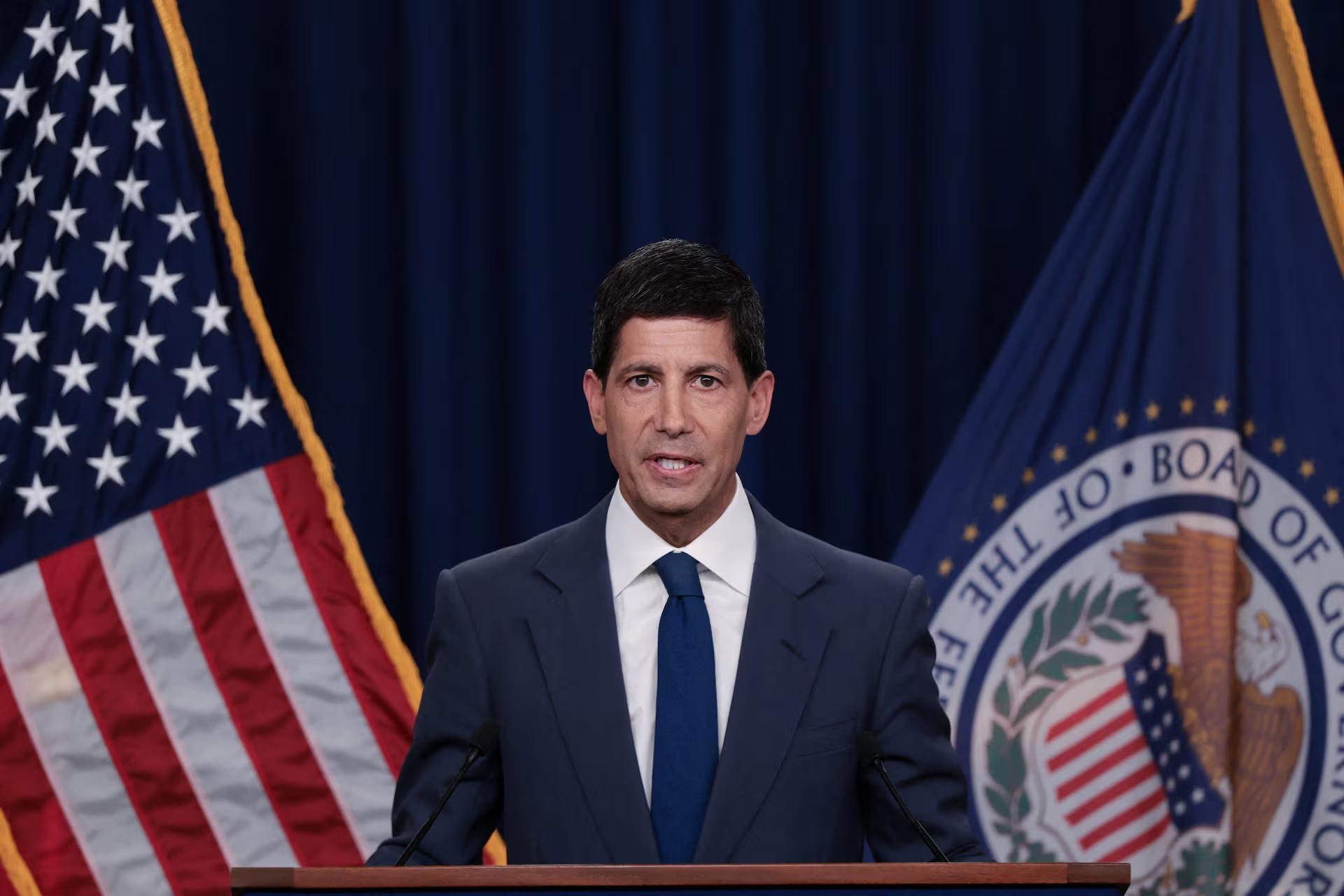
During a press briefing at the White House on Tuesday, President Donald Trump addressed the rising fuel prices while signing an executive order on mail-in ballots for the upcoming election. He noted that resolution of the conflict with Iran could quickly ease fuel prices, though no concrete timeline has been verified.
Analysts caution that previous assurances regarding short-term resolution of the conflict have not materialized. While Trump projected a potential end to hostilities within two to three weeks, experts remain skeptical, pointing out that complex geopolitical negotiations rarely follow predicted timelines.
Market watchers are monitoring both the political and logistical dimensions of the crisis, including the potential for further disruptions if the conflict escalates or shipping routes remain constrained.
Daljoog News Analysis
The U.S. fuel price surge highlights the intertwined nature of geopolitics and domestic economic stability. Even brief disruptions in a major oil-producing region like the Middle East can quickly ripple through global markets, revealing systemic vulnerabilities.
While political statements may offer reassurance, the reality of global energy supply chains means that consumer impacts could persist longer than anticipated. For U.S. policymakers, the situation emphasizes the need for contingency planning, strategic reserves, and diversified energy sourcing to mitigate future shocks.
The current crisis also serves as a reminder that energy policy cannot be separated from foreign policy. Decisions abroad, particularly involving high-risk regions, can have immediate and tangible effects on households and businesses at home.
What Happens Next
Market analysts expect continued volatility in fuel prices as the conflict develops. Resolution with Iran could ease supply constraints, but any delay or escalation may prolong record-high prices.
U.S. authorities are likely to explore temporary measures, including strategic petroleum reserve releases and logistical interventions, to stabilize domestic fuel markets. Consumers and businesses will need to prepare for sustained higher costs in the short term, while policymakers weigh both economic and diplomatic strategies to address the crisis.