

The conflict between Iran, the United States, and Israel has intensified, with attacks targeting Iran’s nuclear, steel, and petrochemical facilities. Iranian forces responded with missile strikes, while a missing U.S. pilot has been safely recovered following a high-risk operation.
According to Daljoog News analysis, the escalation signals a new phase in Middle East tensions, where strategic military strikes, diplomatic warnings, and economic measures are overlapping. The situation highlights the fragility of regional security and the potential for rapid escalation.
The unfolding crisis also intersects with global energy markets and diplomatic negotiations. India’s resumption of Iranian oil imports and ongoing U.S. security initiatives show how interconnected the conflict is with international trade and geopolitics.
What Happened?
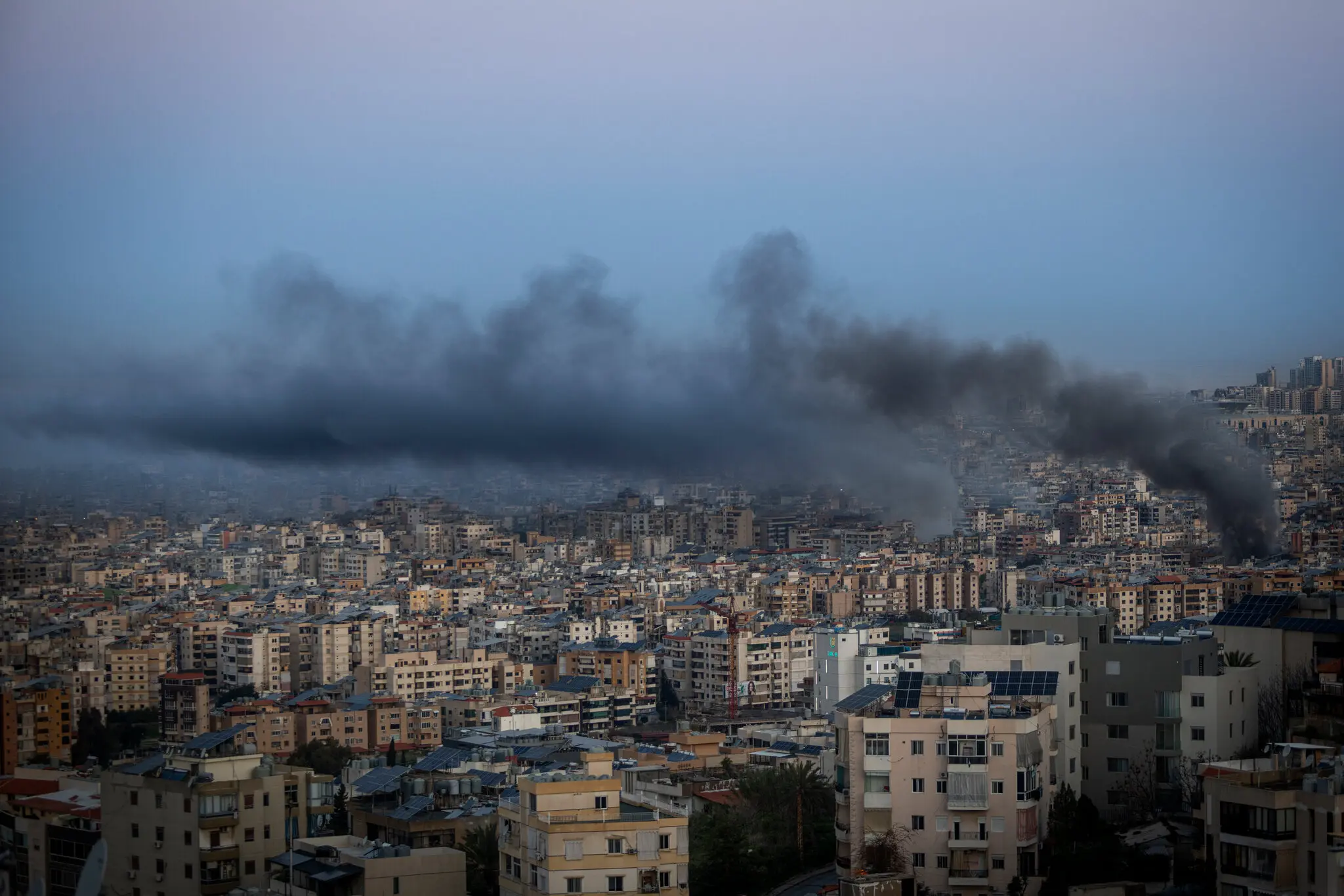
Iran’s Bushehr nuclear power plant came under a fourth joint attack reportedly carried out by U.S. and Israeli forces. While radiation levels around the facility did not spike dangerously, the strike claimed at least one life. Russia condemned the attack, urging the immediate cessation of such operations.
Following the incident, Rosatom, Russia’s state nuclear agency, initiated the relocation of 198 personnel from Bushehr for their safety. At the same time, Israel targeted Iran’s steel and petrochemical installations, with Prime Minister Benjamin Netanyahu authorizing emergency measures and extending public safety restrictions.
In the military theater, Iran launched retaliatory missile strikes and coordinated attacks involving allied groups such as Hezbollah. U.S. officials confirmed that a missing F-35 pilot had been rescued after a two-day operation that involved neutralizing Iranian attempts to intervene. The pilot was safely brought out of Iran, while previous team members had been recovered earlier.
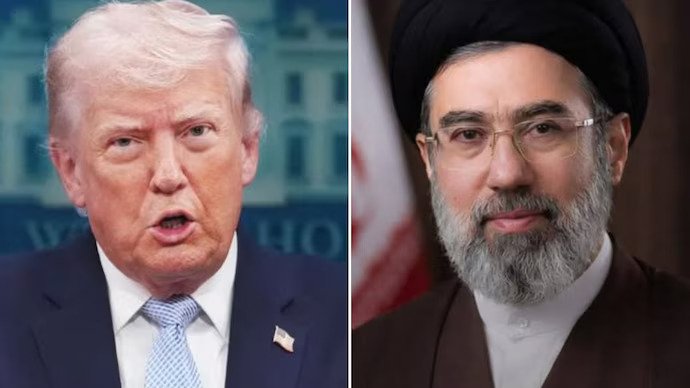
Diplomatic tensions also escalated. The Strait of Hormuz remained a flashpoint after U.S. President Donald Trump issued threats, which Iran officially rejected. Tehran described the warning as reckless and emphasized that any blockade would be met with defensive measures.
On the domestic front, Iran froze bank accounts and seized assets of over a hundred influential figures accused of supporting foreign adversaries, signaling an internal crackdown amid external pressures.
Why This Matters
The escalating Iran-US-Israel confrontation has multiple implications. The repeated targeting of critical infrastructure highlights the high-stakes nature of modern warfare in the region. It also raises humanitarian concerns and threatens regional energy security.
Global oil markets are already jittery due to these hostilities. India has resumed imports of Iranian crude amid the temporary easing of sanctions, securing both crude oil and LPG supplies for its refineries. Such economic interdependence illustrates how military actions in one region ripple worldwide.
Furthermore, the conflict underscores the delicate balance between nuclear deterrence and conventional military strikes. Iran, Israel, and the U.S. are all signaling readiness for escalation while attempting to avoid catastrophic outcomes, a tension that keeps the region on edge.
What Analysts or Officials Are Saying
Experts note that both military and diplomatic maneuvers are designed to demonstrate strength and deterrence. Iran’s missile strikes and asset seizures signal internal and external resolve, while U.S.-Israeli operations indicate operational reach and strategic pressure.
Officials emphasize that these actions are as much about messaging as they are about immediate tactical objectives. U.S. and Israeli strikes aim to prevent Iran from consolidating military or nuclear advantages, while Tehran’s retaliation asserts sovereignty and regional influence.
Analysts also point to the broader geopolitical context, including Turkey’s diplomatic engagement. President Recep Tayyip Erdoğan and Ukrainian President Volodymyr Zelensky recently met in Istanbul to discuss regional security, Black Sea navigation, and bilateral trade, underscoring the wider ripple effects of Middle Eastern conflicts on global diplomacy.
Daljoog News Analysis
This series of events illustrates the complexity of regional tensions where military, economic, and diplomatic elements intersect. The joint U.S.-Israeli operations, Iran’s swift counterstrikes, and ongoing high-level diplomacy reflect a calculated but volatile strategic environment.
The recovery of the missing U.S. pilot adds an unusual but significant dimension, showcasing both operational capability and the risks inherent in contested zones. Meanwhile, Iran’s domestic asset freezes demonstrate how internal and external pressures are managed concurrently.
Daljoog News believes that while full-scale escalation may be avoidable, the multiplicity of flashpoints—from the Strait of Hormuz to industrial sites—requires careful international monitoring. Any misstep could amplify tensions and affect energy markets, trade routes, and regional alliances.
What Happens Next
The coming days will likely see continued military readiness from all sides, along with intensified diplomatic efforts. Iran has emphasized its commitment to dialogue despite the heightened tensions, suggesting that backchannel negotiations may play a crucial role in de-escalation.
Global powers will closely monitor both Iranian retaliatory measures and U.S.-Israeli operational decisions. Any further strikes could prompt new sanctions or emergency measures in international energy markets.
Regional security and trade dynamics will remain fragile, with countries like India balancing energy needs against the risk of being drawn into broader conflict. The situation remains fluid, and the potential for both escalation and containment will continue to shape Middle East stability in the weeks ahead.