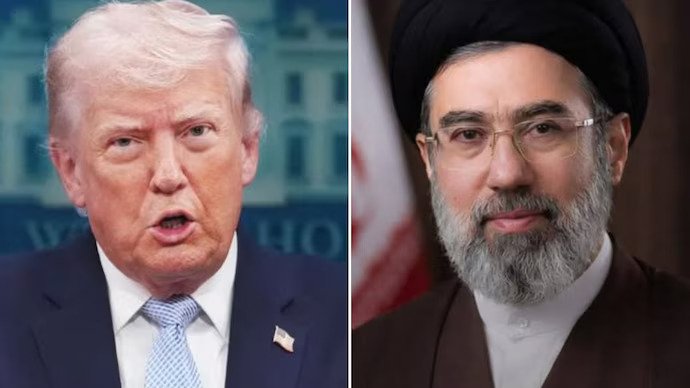


Trump China, Iran warning US President Donald Trump has issued a sharp caution over reports that China may be supplying weapons to Iran, warning of “serious consequences” if confirmed. The remarks came during a brief interaction with the media before he departed from the White House.
According to Daljoog News analysis, the Trump China Iran warning adds new pressure to already fragile geopolitical calculations involving Washington, Beijing, and Tehran, especially as competing diplomatic meetings continue in parallel across different regions.
The timing of the Trump China Iran warning is significant, coming amid high-level diplomatic activity linked to Islamabad discussions and broader global security concerns surrounding Middle East military realignments.
What Happened?
The Trump China Iran warning was delivered while Trump was leaving the White House en route to Florida. Responding to a question from CNN, he suggested that if China is supplying arms to Iran, it would face serious consequences from the United States.
Trump referenced US intelligence assessments, stating that there are concerns Beijing may already be assisting Tehran in strengthening its military capabilities. He did not provide specific evidence publicly but emphasized that such actions, if verified, would not be ignored by Washington.
At the same time, international reports circulating in global media, including CNN, suggest that China may be preparing to deliver an advanced air defense system to Iran in the coming weeks. These reports remain unconfirmed but have intensified scrutiny on Beijing’s regional military role.
The Trump China Iran warning also emerged alongside diplomatic discussions linked to Islamabad, where regional security and military cooperation issues are reportedly being reviewed by multiple stakeholders.
Why This Matters
The Trump China Iran warning highlights growing tensions between major global powers at a time when Middle East security dynamics are already highly unstable.
Any confirmed arms transfer between China and Iran would significantly alter the strategic balance in the region, particularly in relation to air defense and missile capability. It would also deepen mistrust between Washington and Beijing at a moment when both countries are attempting to manage broader economic and diplomatic competition.
For Iran, external military support would strengthen its defensive posture following years of sanctions and regional pressure. For the United States, such developments would likely trigger diplomatic retaliation or new strategic countermeasures.
The Trump China Iran warning, therefore, sits at the intersection of military intelligence concerns and high-level diplomatic signaling, where even unconfirmed reports can influence international policy calculations.
What Analysts or Officials Are Saying
Security analysts note that the Trump China Iran warning reflects long-standing US concerns over China’s expanding military partnerships in strategically sensitive regions.
While US officials have not publicly confirmed the intelligence cited, defense observers suggest that even the possibility of advanced air defense transfers to Iran would be closely monitored by Western intelligence agencies.
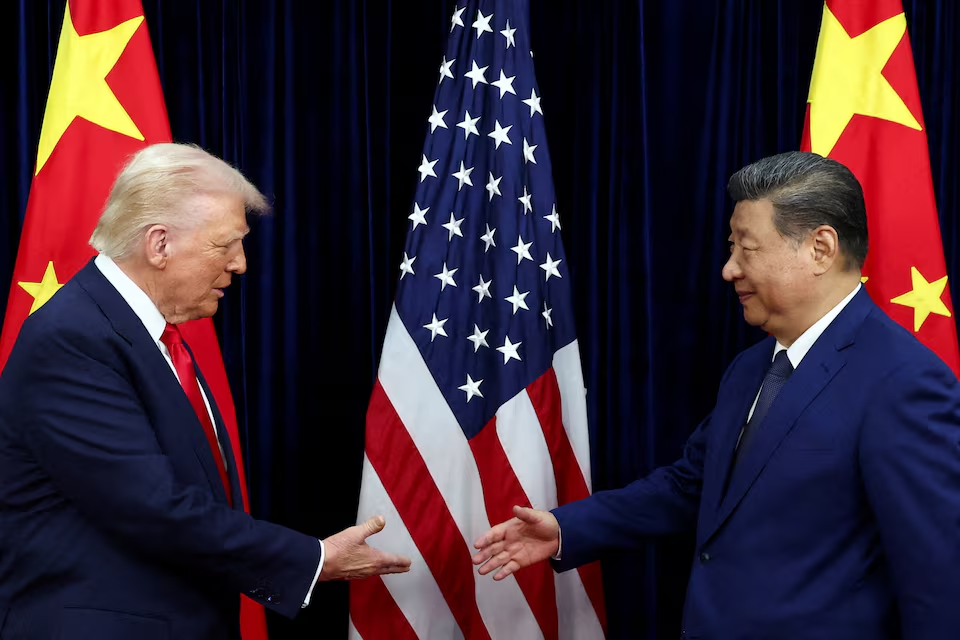
International relations experts argue that such statements also serve a signaling function, shaping diplomatic pressure ahead of possible negotiations between Washington and Beijing, including potential high-level meetings involving Chinese leadership in the coming months.
Some analysts caution that without verified evidence, such claims risk escalating diplomatic friction based on incomplete information, further complicating already tense global relations.
Daljoog News Analysis
The Trump China Iran warning illustrates how modern geopolitics is increasingly shaped by rapid public signaling as much as formal diplomacy.
In today’s international environment, statements made outside official negotiation rooms often carry immediate strategic weight. This is especially true when they involve three major actors— the United States, China, and Iran—each with competing regional and global interests.
The overlap between diplomatic activity in Islamabad and media reports on possible arms transfers shows how interconnected regional security discussions have become. Even partial or unverified intelligence leaks can quickly influence political messaging at the highest levels.
From a broader perspective, the Trump China Iran warning also reflects a pattern in US foreign policy discourse where potential adversary cooperation is used to justify pre-emptive diplomatic pressure. Whether or not the reported arms transfers materialize, the narrative itself shapes international expectations.
What Happens Next
In the coming weeks, attention will likely focus on whether any verified evidence emerges supporting the claims behind the Trump China Iran warning.
If confirmed, the situation could trigger formal diplomatic protests and possible sanctions-related responses targeting Chinese defense exports or Iranian military procurement channels.
At the same time, planned high-level diplomatic engagements involving China’s leadership may become more sensitive, with increased scrutiny from Washington and allied governments.