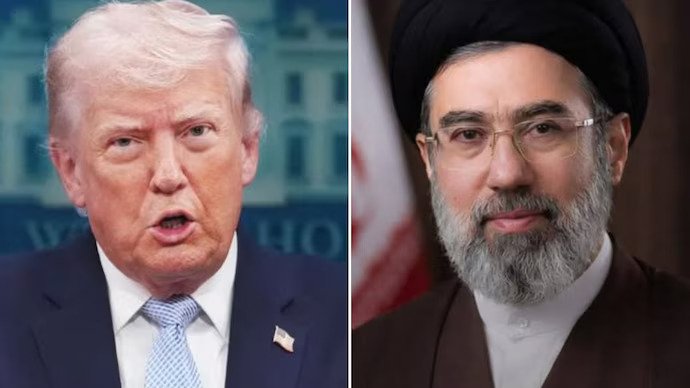



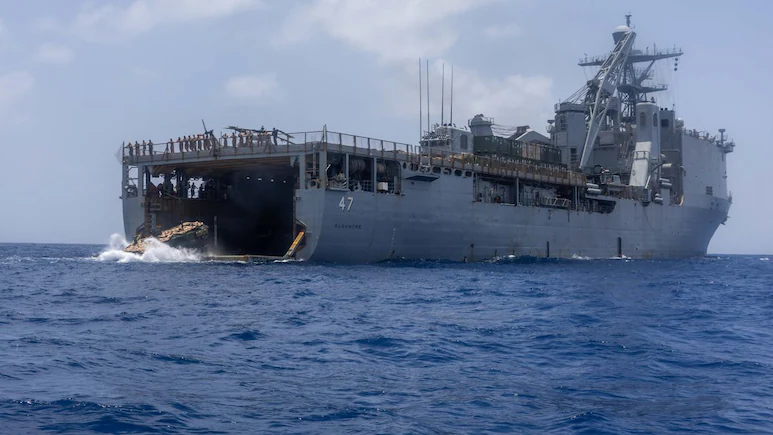
The Strait of Hormuz crisis has escalated sharply after renewed tensions between Iran and the United States, with reports of tighter Iranian control over one of the world’s most important oil shipping routes. Maritime alerts and security concerns have increased across the region as commercial vessels face growing risks.
According to Daljoog News analysis, the Strait of Hormuz crisis is not an isolated maritime dispute but a strategic pressure point shaping global energy politics. The situation reflects a deeper confrontation involving military signaling, sanctions pressure, and control over critical sea lanes.
The timing of the Strait of Hormuz crisis is particularly sensitive because nearly 20% of global oil supply moves through this narrow passage. Any disruption has immediate effects on global markets, fuel prices, and energy security planning across major economies.
WHAT HAPPENED?
The Strait of Hormuz crisis intensified after reports that Iranian forces increased operational control and surveillance over shipping activity in the region. Iranian military units, including those linked to the Islamic Revolutionary Guard Corps, have been monitoring vessel movements more aggressively, according to maritime tracking agencies.
Iranian authorities have stated that restrictions are tied to broader disputes with the United States over sanctions and maritime freedom. They have warned that measures will remain in place unless what they describe as unfair naval and economic pressure is reduced.
International maritime security sources also reported that commercial shipping incidents have taken place in the area. A tanker was allegedly fired upon during transit, while another vessel flagged under a foreign nation reportedly faced intimidation while passing through the corridor.
The Strait of Hormuz crisis has also drawn renewed attention from Washington. While diplomatic discussions continue in limited form, military presence in the Gulf remains unchanged, reflecting a parallel strategy of negotiation and deterrence.
WHY THIS MATTERS
The Strait of Hormuz crisis carries global significance because the waterway is one of the most important energy transit points in the world. Any instability here directly impacts oil supply chains that support transport, industry, and food distribution globally.
Markets are already reacting to the uncertainty surrounding the Strait of Hormuz crisis. Even small disruptions in shipping routes can trigger sharp movements in crude oil prices, increase insurance costs, and raise freight charges.
Beyond economics, the Strait of Hormuz crisis raises broader geopolitical risks. It increases the possibility of miscalculation between military forces operating in proximity, where even minor incidents could escalate quickly.
The situation also adds pressure to an already volatile Middle East environment, where multiple conflict zones are active, further complicating regional stability efforts.
WHAT ANALYSTS OR OFFICIALS ARE SAYING
Security analysts say the Strait of Hormuz crisis reflects a shift toward controlled escalation, where strategic pressure is applied without full-scale military confrontation. This approach allows both sides to maintain leverage while avoiding direct war.
Iranian officials maintain that their actions are defensive and linked to sovereignty over territorial waters and maritime rights. They argue that external pressure has forced stronger enforcement measures in the shipping corridor.
Western defense observers warn that the Strait of Hormuz crisis increases the risk of accidental escalation. Close naval encounters and unclear rules of engagement could lead to unintended clashes involving commercial and military vessels.
Diplomatic sources note that while talks between Iran and the United States have not completely collapsed, progress remains limited. Core disputes over nuclear policy and maritime control continue to block meaningful breakthroughs.
DALJOOG NEWS ANALYSIS
The Strait of Hormuz crisis highlights how modern geopolitical conflicts are increasingly fought through economic and maritime pressure rather than open warfare. Control over shipping routes has become a powerful strategic tool.
Iran’s position in the Strait of Hormuz crisis demonstrates how geography can be used as leverage in international negotiations. By influencing one of the world’s busiest energy corridors, Tehran gains bargaining power without direct escalation.
At the same time, the United States faces the challenge of protecting global trade routes while avoiding a broader regional conflict. This creates a delicate balance between deterrence and diplomacy.
The Strait of Hormuz crisis also exposes global dependence on concentrated energy routes. Despite diversification efforts, global markets remain highly sensitive to disruptions in this single chokepoint.
WHAT HAPPENS NEXT?
The future of the Strait of Hormuz crisis depends heavily on whether diplomatic channels can establish clearer maritime security arrangements. Without progress, tensions are likely to remain elevated.
If no agreement is reached, naval activity in the region may increase further, raising the probability of close encounters between military and commercial vessels operating under pressure.
Global energy markets will continue to react to developments tied to the Strait of Hormuz crisis, especially oil prices, shipping insurance rates, and supply chain costs.
For now, the Strait of Hormuz crisis remains one of the most critical geopolitical flashpoints, with outcomes that could shape global economic stability in the months ahead.