


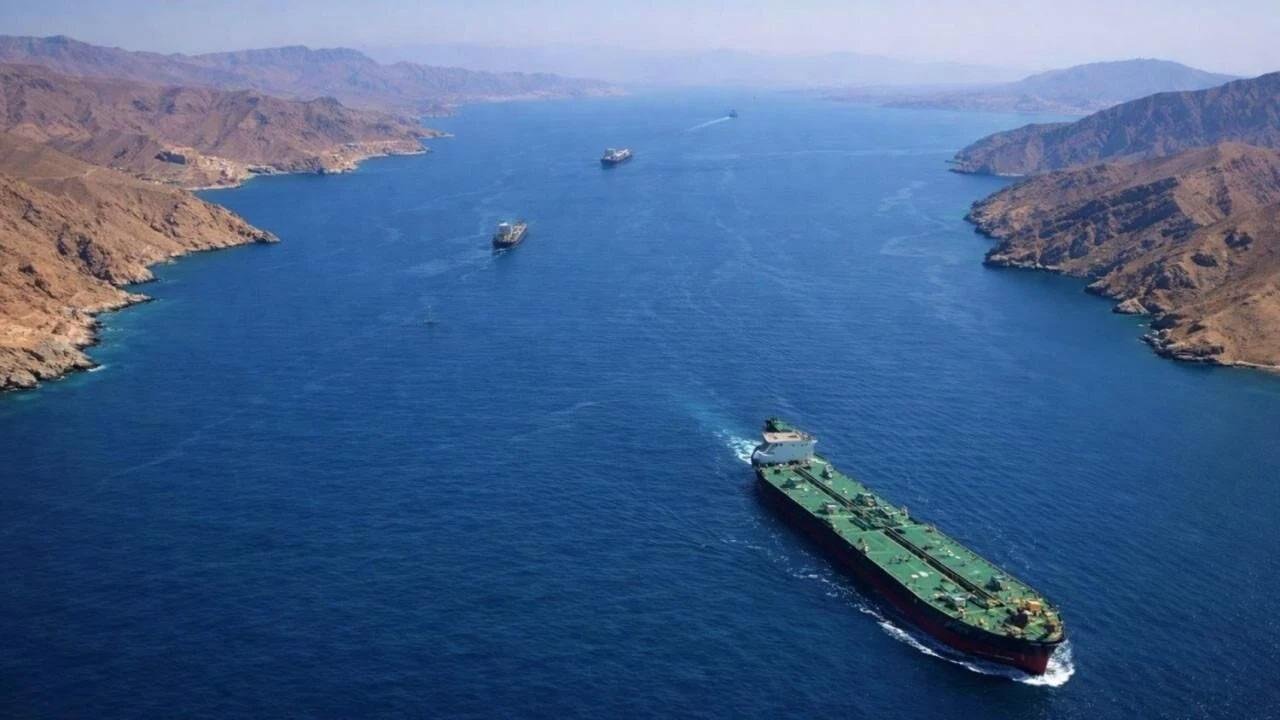
Iran and Oman held talks on August 25 on how to manage ship traffic through the Strait of Hormuz. The talks came as the key water route remained largely closed after months of war.
The strait is one of the most important oil routes in the world. Its disruption has raised concern among energy firms, ship owners and oil buyers.
Iran and Oman discussed a plan for a temporary route for ships. The plan would help some vessels move through the strait while work is done to clear mines and improve safety. The two sides also discussed a longer term route.
The talks came after an oil tanker was hit near Oman. The attack left the ship unable to continue its normal journey. The incident showed the risk faced by ships trying to use the waterway during the conflict.
Shipping firms have had to make hard choices. Some ships have stayed away from the area. Others have changed routes. Such moves can add time and cost to a journey.
The Strait of Hormuz links the Persian Gulf with the Gulf of Oman. It is a vital path for oil and gas exports from the region.
A long disruption could have a wide effect. Asian economies are among the biggest buyers of Middle Eastern oil. Europe also depends on energy flows from the Gulf.
The talks between Iran and Oman may offer a way to reduce some of the pressure. Oman has often played a role in talks between Iran and Western powers. Its location also gives it a direct interest in safe shipping.
Iran still says the strait is not fully open. That means the new plan should not be seen as a full return to normal shipping. The route will need more work before many firms can treat it as safe.
The timing is also important for oil markets. Oil prices have not risen as much as some traders feared. Weak demand in China has helped limit some of the price pressure. But the risk of a wider supply shock remains.
A serious attack on more ships could change that view fast. It could make insurers raise costs. It could also push shipping firms to avoid the region for longer.
The US has been increasing economic pressure on Iran. Washington has also warned firms that trade with Tehran could face penalties. China, one of Iran’s main oil buyers, has pushed back against the US approach.
That creates a difficult setting for global trade. The Middle East war is already affecting ships. US sanctions are affecting trade rules. China is defending its economic links with Iran.
For Oman, keeping the waterway safe is also a national concern. Any major attack near its coast could harm trade and tourism. It could also raise the risk of a wider conflict.
For Iran, a working sea route could help ease economic pressure. But opening the strait fully could also require wider talks over security.
For global markets, the key question is simple. Can ships move through the area with enough safety for firms to return?
The Iran and Oman talks are an early step. They do not end the wider conflict. But a safe shipping route could lower some of the economic risks created by the war.
Until that happens, energy markets and shipping firms will keep watching every move around the Strait of Hormuz.