


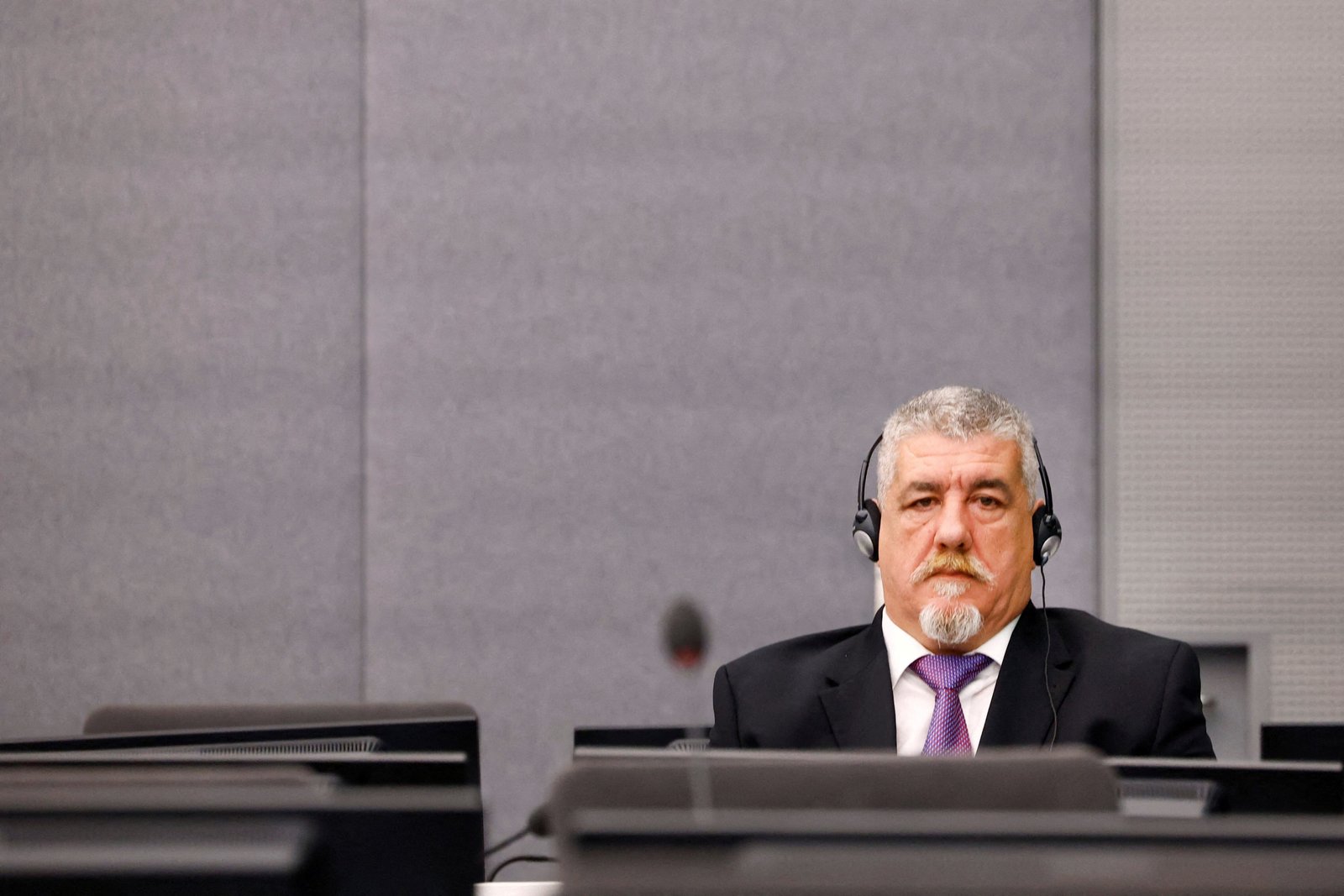
Legal proceedings continue following a landmark verdict earlier this month in which Kosovo’s Specialist Chambers, based in The Hague, convicted former Kosovo President Hashim Thaçi and three senior former Kosovo Liberation Army leaders of war crimes committed during the 1998 to 1999 conflict in the region. The convictions, which human rights organizations have described as an important step toward accountability for victims of the conflict, are now expected to proceed through an appeals process that will likely continue for an extended period given the complexity and historical significance of the underlying case.
The court found Thaçi and his co-defendants, including Kadri Veseli, Jakup Krasniqi, and Rexhep Selimi, guilty of war crimes including murder, torture, cruel treatment, and arbitrary detention, while notably acquitting all four defendants on separate charges of crimes against humanity. This mixed verdict, convicting on some charges while acquitting on others, reflects the specific legal standards the court applied, with judges reportedly finding that prosecutors had not proven beyond reasonable doubt that certain specific acts met the particular legal requirement of being directed against a broader civilian population, a key distinguishing element required for crimes against humanity charges specifically.
The underlying crimes covered by the convictions were committed against Kosovo Albanians, Serbs, Roma, and other ethnic groups during the conflict, reflecting the complex and multifaceted nature of violence that characterized the broader Kosovo war during this period. This mixed victim population underscores that the court’s findings addressed harm inflicted across multiple communities rather than representing a straightforward narrative involving only a single affected ethnic or national group, reflecting the genuinely complicated realities of the underlying historical conflict.
The Kosovo Specialist Chambers itself represents a somewhat unusual judicial institution, established specifically to address war crimes allegations from this particular conflict through a hybrid structure combining international and Kosovo legal elements while operating from The Hague rather than within Kosovo itself. This institutional design reflects the particular sensitivities involved in prosecuting war crimes cases connected to recent and politically significant conflicts, where establishing sufficient judicial independence and security for court proceedings can prove genuinely challenging within the country where the underlying events occurred.
Human rights organizations have generally welcomed the convictions as representing meaningful progress toward accountability, even while acknowledging that the lengthy legal process, spanning many years from initial investigation through this recent verdict, illustrates the genuine complexity involved in prosecuting war crimes cases connected to conflicts that occurred decades earlier. This extended timeline reflects both the inherent challenges of gathering and verifying evidence from historical conflicts and the careful legal procedures required for cases of this magnitude and political sensitivity.
The appeals process now beginning is expected to examine multiple aspects of the original verdict, including both the specific convictions that were secured and the separate acquittals on crimes against humanity charges, with both prosecution and defense teams likely to pursue different aspects of the ruling they consider appropriate targets for appeal. Legal experts note that appeals processes for cases of this complexity and historical significance typically extend over a considerable period, meaning final resolution of this particular case likely remains a genuinely extended timeline away from the current verdict.
As this appeals process unfolds in the coming months and years, the case continues serving as an important reference point for broader international efforts to establish accountability for war crimes committed during conflicts of the 1990s throughout the former Yugoslavia. Whether the appeals process ultimately upholds, modifies, or overturns aspects of this recent verdict, the case itself represents a significant chapter in ongoing international efforts to address historical accountability for serious violations of international humanitarian law committed during this particular period of regional conflict.