
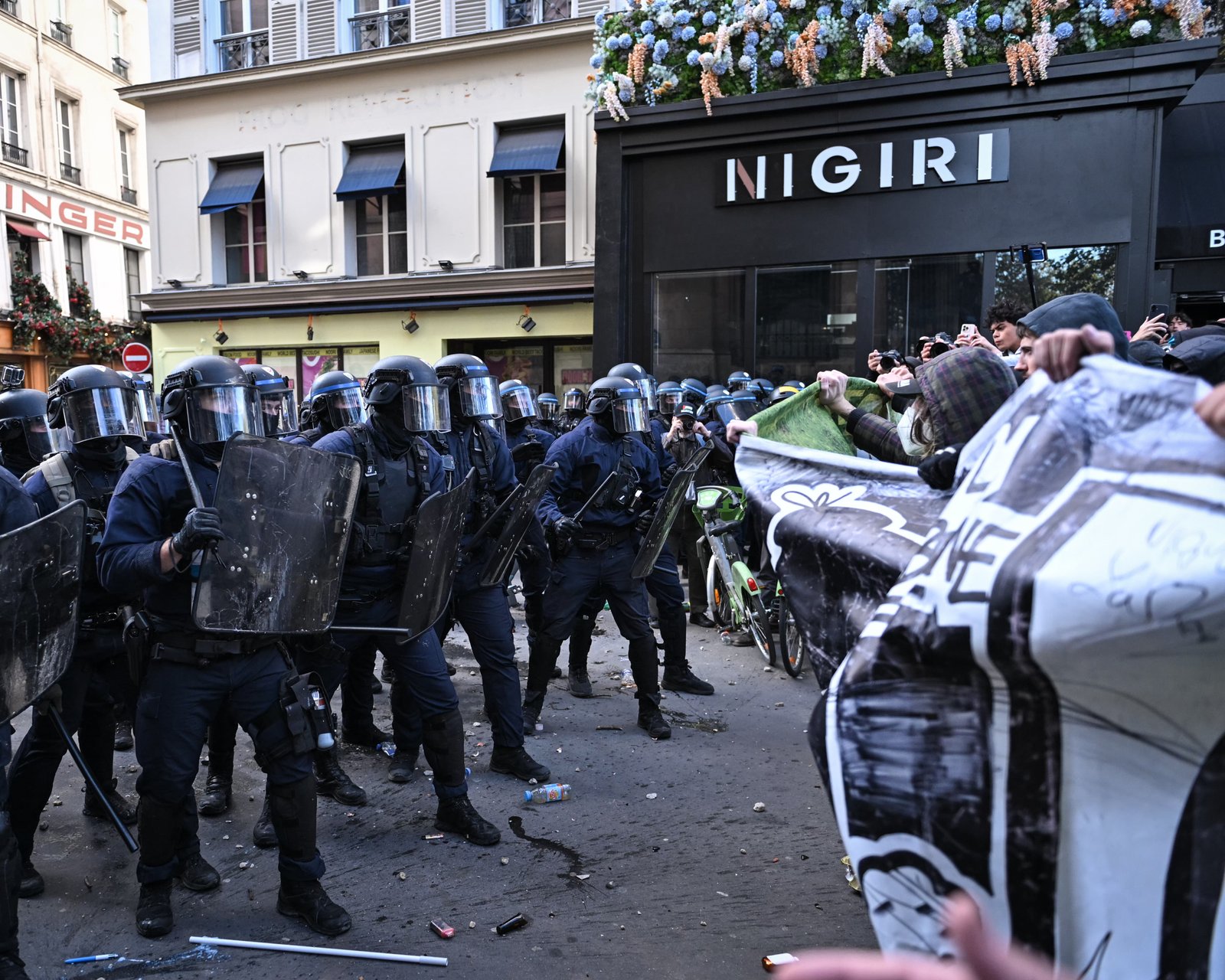
French police are facing renewed scrutiny after lawyers and rights groups raised concerns about serious injuries suffered by teenagers during school protests. The demonstrations have spread across the country as students demand action on problems including missing teachers and deteriorating school buildings. The dispute has become a major test of how authorities respond to young people taking part in public protest.
Reports of severe injuries have intensified calls for an examination of police methods. Lawyers say some teenagers were hurt by weapons used to control crowds, while others have described being struck or insulted during detention. Rights advocates argue that the treatment of young protesters should be investigated carefully, especially when those involved are children.
The protests have taken place amid frustration over conditions in schools. Students have complained about teacher shortages, poor facilities and the effect of these problems on their education. In some areas, pupils have blocked school entrances to draw attention to their demands. Such actions have disrupted lessons and created pressure on school leaders and government officials to respond.
Police have a responsibility to maintain public order and protect people from violence. However, the use of force must be proportionate to the threat faced by officers. When minors are involved, authorities also need to consider their age and vulnerability. Serious injuries can damage public trust and make it harder for officials to persuade protesters that complaints will be heard fairly.
The reported number of children taken into custody has also raised concern. Detention can have a lasting effect on young people, particularly if they believe they were punished for expressing a political view. Legal representatives have called attention to the need for proper procedures, access to support and clear explanations for arrests.
The wider dispute reflects a difficult question for democratic societies: how should governments respond when peaceful protest causes disruption? Authorities may need to keep roads and schools safe, but a strong police response can increase anger if it appears excessive. Dialogue with students and families may help reduce tension and identify practical steps to address the original complaints.
Independent investigations could help establish what happened during individual incidents and whether police rules were followed. Clear evidence is important because allegations must be examined fairly, and public confidence depends on accountability. If misconduct is confirmed, appropriate action may be needed. If some claims are not supported, that should also be made clear.
The government faces pressure to address both the school problems that sparked the protests and concerns about the response to them. A lasting solution will require more than restoring order at school gates. It will depend on whether students believe their concerns are being taken seriously and whether police conduct is subject to meaningful oversight.