


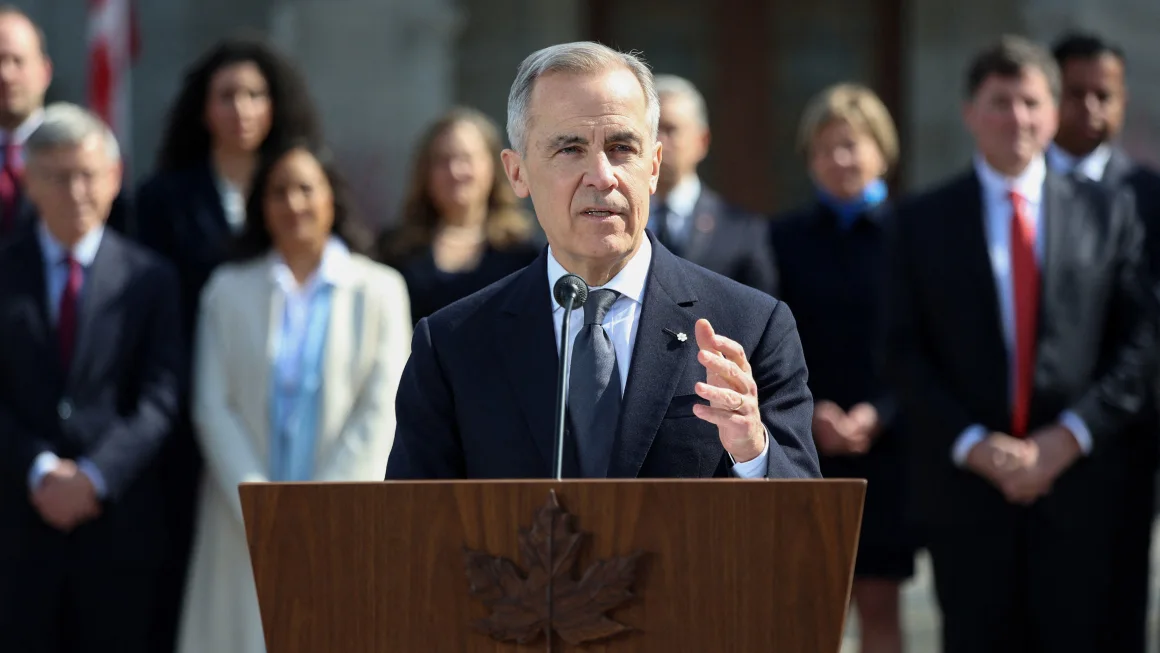
Mark Carney has officially taken office as Canada’s new Prime Minister, stepping into one of the most challenging political landscapes in recent history. Sworn in on Friday, Carney must immediately navigate two critical issues: calling a general election to solidify his mandate and managing the turbulent Canada-U.S. relations under President Donald Trump’s administration.
An Immediate Election on the Horizon?
Carney is expected to call for a snap general election to capitalize on the Liberal Party’s resurgence. Just months ago, under Prime Minister Justin Trudeau, the party was struggling. However, a wave of nationalism, sparked by Trump’s aggressive rhetoric toward Canada, has shifted the political landscape. Now, Carney must move swiftly to secure a long-term position as Prime Minister.
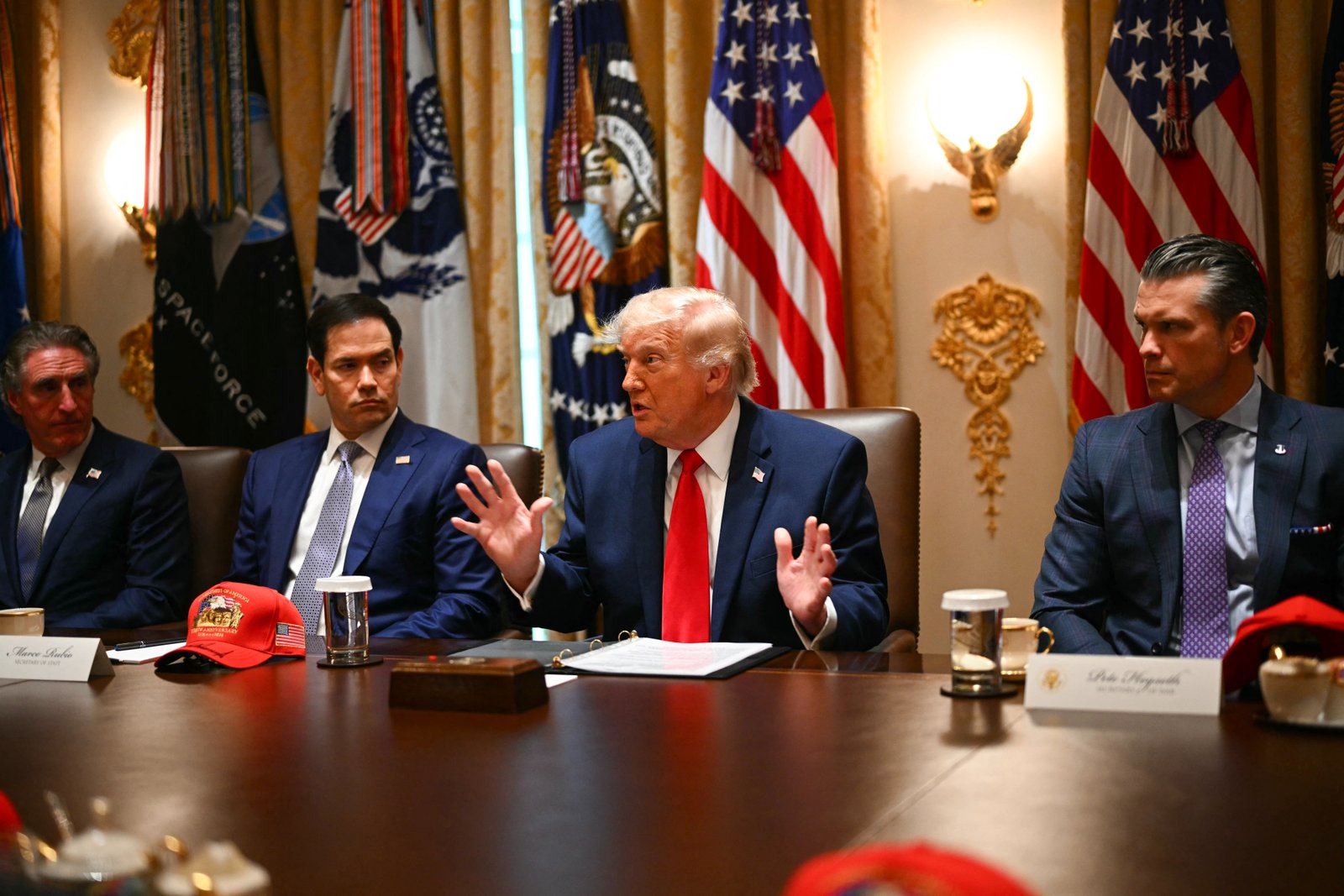
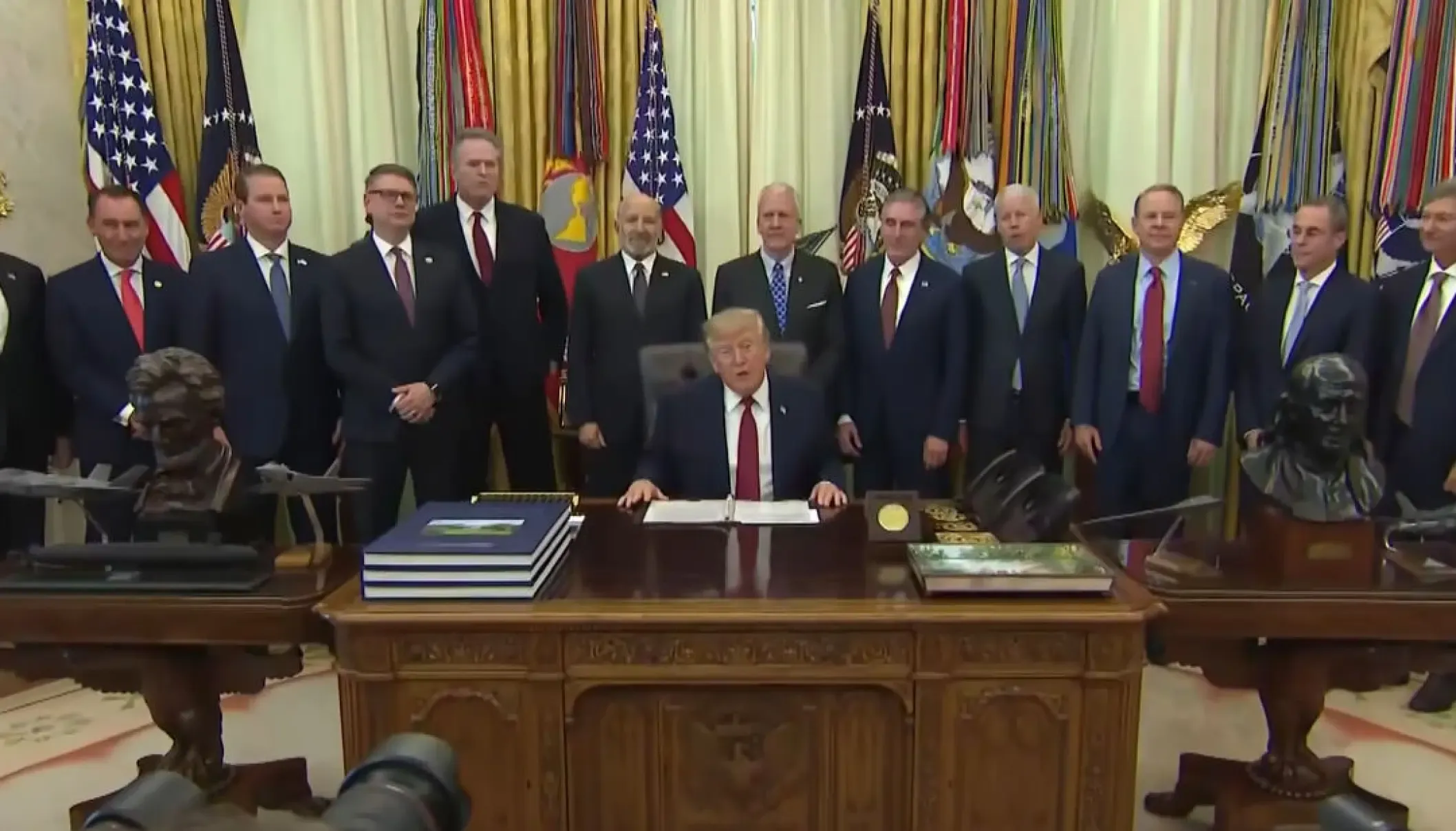
If he succeeds, his next challenge will be even tougher—handling Trump’s unpredictable policies. The U.S. President’s recent comments about making Canada the 51st state have ignited concerns about sovereignty and trade relations. Ukraine’s President Volodymyr Zelensky has already experienced the difficulty of dealing with Trump, and Carney could face similar struggles in protecting Canada’s interests.
The Right Leader for the Right Time?
Carney, a governor of the Bank of Canada and the Bank of England, brings a background in economic management. His expertise may prove crucial as Canada braces for potential economic fallout from strained relations with the U.S. He positions himself as a pragmatic leader, contrasting sharply with Conservative opposition leader Pierre Poilievre, who has been accused of aligning too closely with Trump-style populism.
Poilievre’s political rise was fueled by right-wing populist sentiments, but the tide may be turning. The backlash against extreme nationalism appears to be gaining momentum. Carney’s leadership comes at a time when voters in Canada and beyond seem to be looking for stability rather than disruption.
A Shift in Global Politics?
Carney’s rise reflects broader political shifts across the Western world. Trump’s return to power was expected to trigger a new wave of populist victories globally. However, in some nations, the opposite has happened.
- United Kingdom: Prime Minister Keir Starmer has solidified his leadership by positioning himself as a moderate alternative to the political chaos Trump has reignited. His firm stance on European relations and his high-profile support for Ukraine have bolstered his position.
- France: President Emmanuel Macron, despite internal political struggles, has found new strength by advocating for a stronger, more independent Europe.
- Germany: The likely new Chancellor, Friedrich Merz, has signaled a shift away from decades of U.S.-dominated foreign policy, reflecting growing European skepticism about American influence.
These leaders have developed a new approach to dealing with Trump—balancing diplomatic engagement with firm resistance when necessary. Carney must now decide whether to follow their lead or carve out his own strategy.
Canada-U.S. Relations: Crisis or Opportunity?
Trump’s rhetoric toward Canada has alarmed both politicians and citizens. His suggestions of economic penalties, threats of trade restrictions, and even the provocative idea of Canadian statehood have fueled nationalist sentiment. Carney must walk a fine line—standing firm against U.S. overreach while ensuring that trade and diplomatic relations do not completely collapse.
Jean Chrétien, Canada’s Prime Minister, recently delivered a speech that may offer Carney a blueprint for handling Trump. Chrétien passionately defended Canadian sovereignty, stating, “Canada will never join the United States.” However, he also left the door open for future collaboration, reminding Canadians that a functional relationship with the U.S. is ultimately necessary for economic and political stability.
What’s Next for Carney?
Carney faces a delicate balancing act. If he calls an early election, he must ensure that rising nationalistic sentiment does not spiral into economic recklessness. At the same time, he must prepare for what could be the most challenging diplomatic relationship between Canada and the U.S. in decades.
As the world watches, Carney’s leadership will be tested immediately. His ability to manage internal politics while navigating the external pressures of Trump’s America could define Canada’s political and economic trajectory for years to come.