


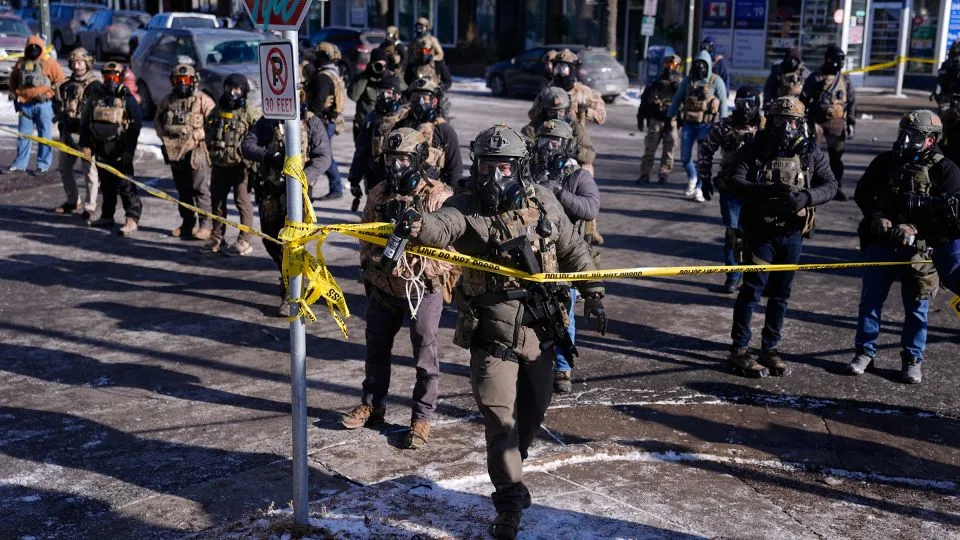
A fatal shooting by a federal Immigration and Customs Enforcement (ICE) officer in Minneapolis has intensified political challenges for President Donald Trump and his administration. The victim, 37-year-old Alex Pretti, was killed during a federal operation, prompting comparisons to the death of Renee Nicole Good just over two weeks ago.
Trump and Vice President JD Vance acknowledged this week that ICE has made or will make mistakes in its Minneapolis operations, but offered little indication of a tactical shift to address the situation. Analysts say the administration’s messaging struggles stem from concerns that public opinion is turning against federal enforcement efforts.
Critics note that the administration has quickly defended the ICE agents involved and portrayed Pretti as deliberately targeting them—claims that lack clear evidence. Pretti was armed with a legally permitted gun, and video footage appears to show agents removing his weapon shortly before he was shot. Some reports suggest the confrontation began when an agent pushed a woman standing next to Pretti.
Homeland Security Secretary Kristi Noem described Pretti as attempting “to inflict maximum damage,” while White House adviser Stephen Miller referred to him as an assassin targeting federal agents. Public polling, however, suggests most Americans are skeptical of these characterizations. CBS News-YouGov and New York Times-Siena College surveys show increasing concern, with 61% of respondents saying ICE has been “too tough” and even significant numbers of independents and Republicans expressing disapproval.
The Minneapolis Police Chief said federal officials initially tried to prevent local law enforcement from accessing the crime scene, echoing earlier controversies in the Good case, where the administration attempted to limit investigations and focus scrutiny on the victim. This posture has drawn criticism from local authorities, congressional lawmakers, and organizations like the NRA, which warned against demonizing law-abiding citizens.
Observers note that Trump’s political challenges are compounded by broader ICE policies, including mass deportations, warrantless home entries, and the detention of young children with their parents. Public dissatisfaction with ICE, particularly on civil liberties grounds, has increased despite a reduction in border crossings.
Political analysts say the Minneapolis shootings risk further eroding Trump’s support among key voters, particularly independents and moderate conservatives, while fueling criticism from Democrats and civil liberties advocates. Without meaningful changes to ICE operations or oversight, the administration faces mounting scrutiny as public patience diminishes.
The Pretti shooting highlights both a local tragedy and a broader political dilemma for Trump, whose signature immigration policies are coming under renewed fire amid legal, ethical, and public opinion challenges. The administration’s handling of federal law enforcement operations in Minneapolis could have lasting consequences for its political standing ahead of the 2026 election cycle.