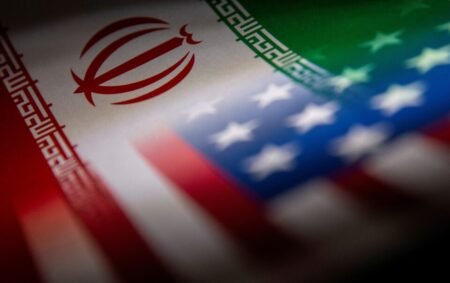



Houthi readiness Iran war concerns are rising as tensions once again grow in the Middle East. The Red Sea region is facing a new wave of anxiety as the standoff between Iran and the United States deepens. Many now fear that Yemen could be pushed toward a dangerous new conflict if the crisis escalates further.
Questions are growing louder. If the United States attacks Iran, will the Red Sea and the Gulf of Aden turn into active war zones? Are the Houthi fighters in Yemen truly prepared to challenge the powerful US naval presence, or is this mainly a pressure tactic by Tehran? Current signs from Yemen point to an alarming level of military preparation.
The situation worsened after Iran took a hard line against internal unrest. In response, US President Donald Trump warned of possible military action. Following this threat, the United States deployed major naval assets to the region. These include the aircraft carrier Abraham Lincoln and guided missile destroyers operating in nearby waters.
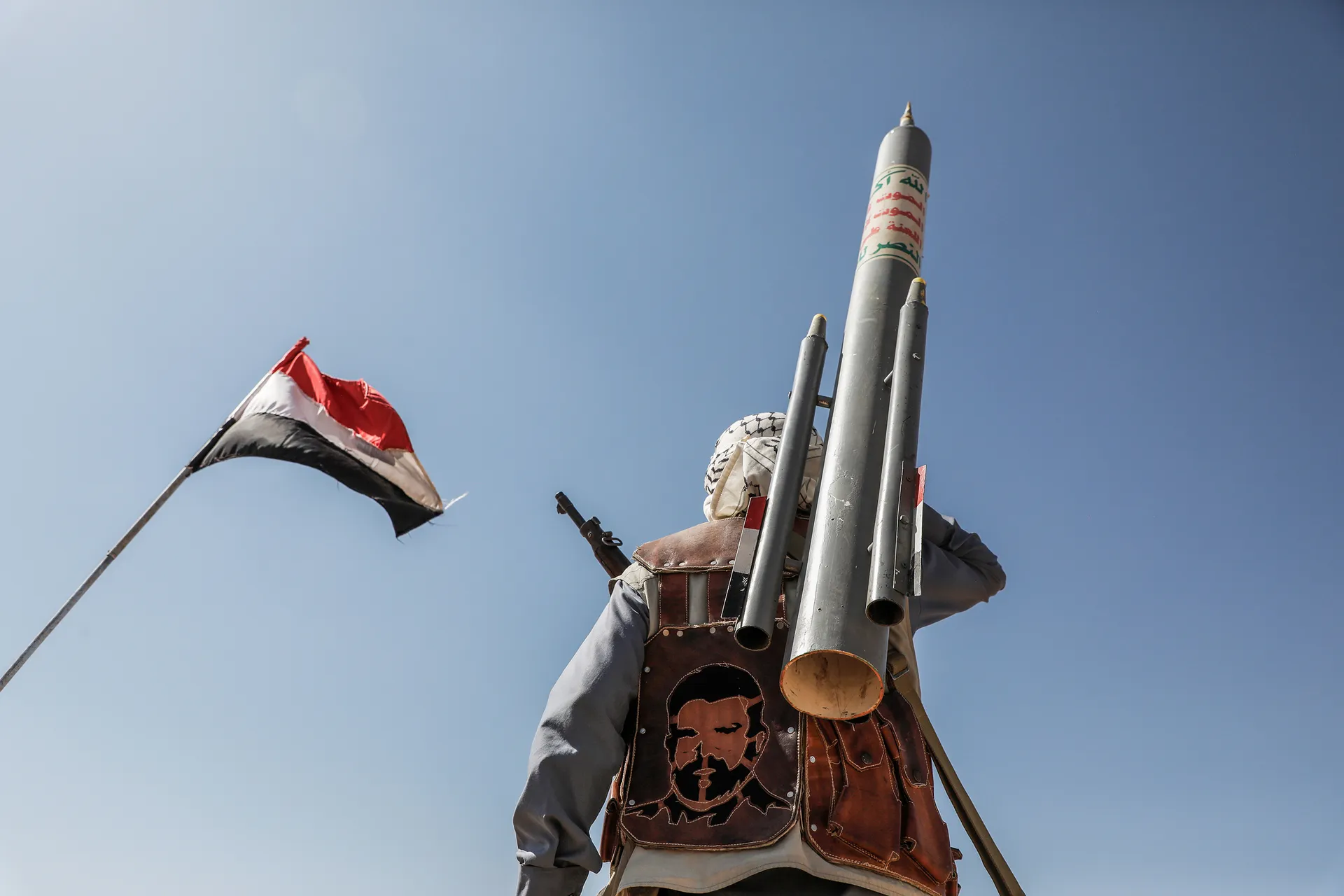
In this tense environment, the Iran-backed Houthi movement in Yemen issued a clear warning. Houthi leaders said they would join the conflict directly if Iran came under attack. The group has since increased its military activity, signaling that its threats are not only political.
Recent reports suggest that at least three missiles were launched from Yemen’s Taiz province toward the Red Sea. Observers believe these launches were part of military drills meant to show readiness rather than direct attacks. Even so, the message was clear. The Houthis wanted to show they can strike beyond Yemen’s borders.
More concerns emerged after video footage surfaced from the coastal Ras al-Ara area near the Gulf of Aden. The footage showed a low-flying object moving across the sky. Based on its sound and flight path, military experts believe it may have been an anti-ship cruise missile. Such weapons pose a serious threat to ships traveling through busy sea routes.
Analysts say these actions are not random. Reports suggest Iran’s Islamic Revolutionary Guard Corps has instructed Houthi leaders to remain fully prepared. Their focus areas include the Red Sea, the Arabian Sea, and the Bab al-Mandeb Strait. These waterways are vital for global trade and energy supplies.
A Houthi spokesperson issued a strong warning. He said that if Iran is targeted, all US ships and interests in the region would become legitimate targets. This statement added to fears that the conflict could spread quickly across key maritime routes.
Experts believe the Houthis are acting as part of Iran’s broader strategy. By displaying missile capabilities in the Red Sea, the group sends a direct message to Washington. The goal is to show that Iran has allies who can disrupt global shipping and force the US to divide its military focus.
In this strategy, Yemen plays a critical role. The Houthis could act as Iran’s first line of defense. By opening a front in the Red Sea, they could draw attention and resources away from Iran itself. This would increase pressure on the United States in a region already filled with security risks.
However, analysts also warn that the Houthis face major limits. The US Navy has advanced defense systems and deep experience in maritime security. While the Houthis can disrupt shipping and raise costs, challenging a full US naval fleet would be extremely difficult.
The growing tension also threatens Yemen’s fragile peace efforts. Years of war have already caused massive suffering for civilians. Any new conflict could reverse limited progress toward stability and deepen the humanitarian crisis.
Ordinary Yemenis would likely pay the highest price. Disrupted aid routes, damaged ports, and renewed fighting would worsen daily life for millions who already struggle to meet basic needs.
For now, the Red Sea remains calm but tense. Military movements and strong warnings suggest the situation could change fast. The coming weeks may decide whether these threats stay symbolic or turn into open conflict.
As Houthi readiness Iran war fears continue to rise, the region stands at a crossroads. A single strike could ignite a wider confrontation, pulling Yemen deeper into a struggle shaped by far larger powers.