Arizona’s gun laws are at the center of a heated political dispute after a warning from the state’s attorney general sparked strong reactions from conservative activists and lawmakers. The debate highlights deep tensions over immigration enforcement, gun rights, and federal authority.
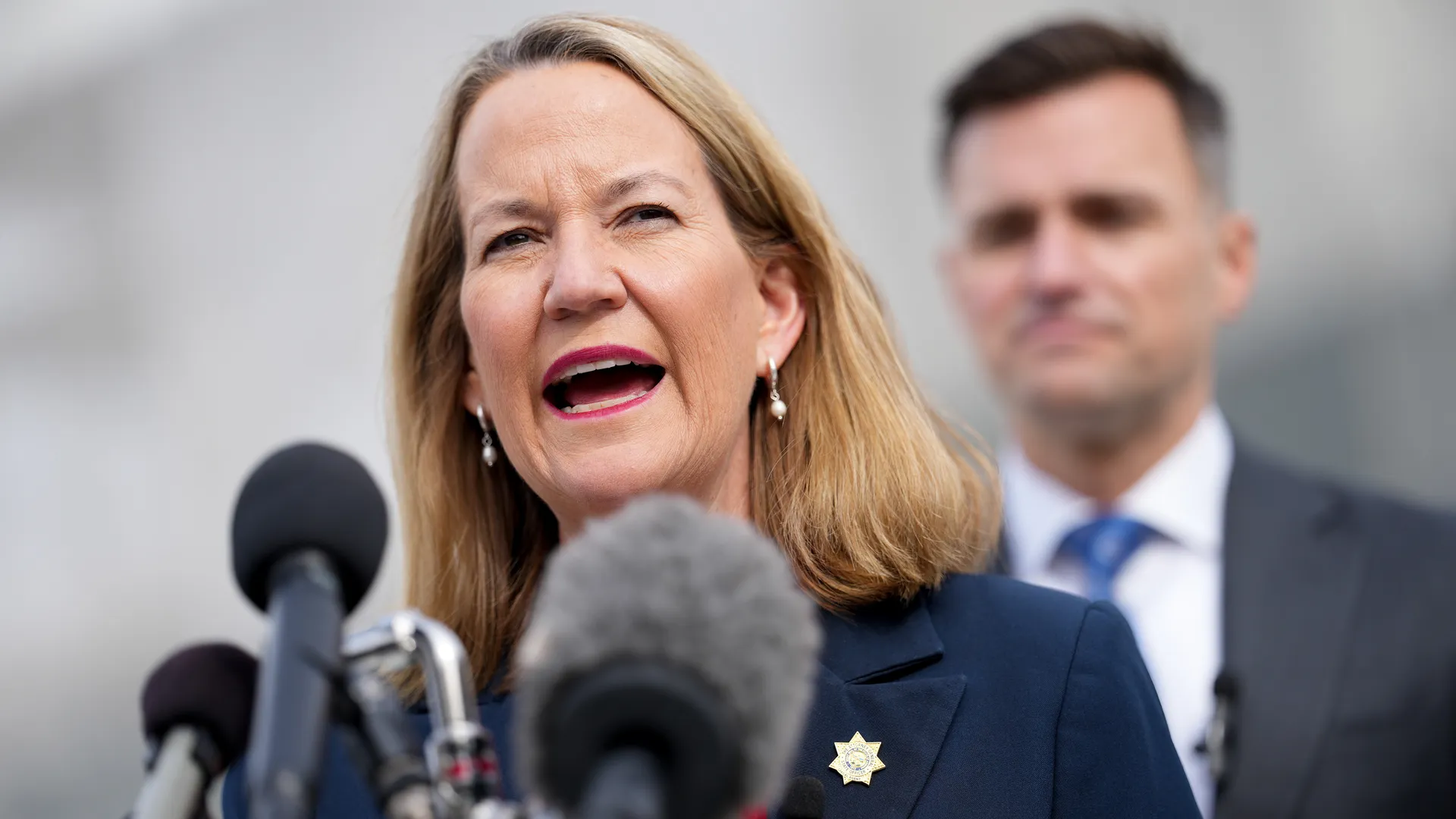
Arizona Attorney General Kris Mayes raised concerns this week about how state gun laws could interact with aggressive immigration enforcement. Her comments came as federal immigration officers increase raids and arrests under policies linked to President Donald Trump.
Mayes focused on Arizona’s Stand Your Ground law. This law allows people to use deadly force if they believe they face immediate danger. Unlike in some states, people do not have to retreat before defending themselves. The attorney general warned that this legal framework could lead to deadly outcomes during immigration operations.
She explained that confusion may arise if armed officers are masked or not clearly identified. In such cases, residents may not know whether they are facing law enforcement or a threat. Under Arizona ICE gun laws, this uncertainty could increase the risk of shootings.
Mayes made clear that she was not encouraging violence. She did not suggest that people should resist immigration officers. Instead, she stressed that unclear identification and aggressive tactics could create dangerous misunderstandings.
Despite this clarification, several conservative voices reacted with anger. Some framed her remarks as an attack on immigration officers or as support for violence against them. Influencers and political figures linked to the MAGA movement accused her of undermining law enforcement.
This response exposed a sharp contradiction within conservative rhetoric. For years, many right-leaning leaders have promoted gun ownership as protection against federal overreach. They often argue that armed citizens are a safeguard against abuse of power by Washington.
In Arizona, this message has been especially strong. Gun rights advocates regularly defend Stand Your Ground laws as essential to personal freedom. Some even celebrate the idea of armed resistance when federal authority goes too far.
Yet when a Democratic official pointed out how these same laws could apply during federal immigration actions, backlash followed. Critics dismissed the warning rather than addressing the risks she described.
The controversy highlights how Arizona ICE gun laws intersect with real-world enforcement. Immigration raids often involve officers wearing tactical gear. In some cases, agents cover their faces or wear clothing that does not clearly show their agency. This can heighten fear and confusion during encounters.
Gun owners in Arizona are legally allowed to carry firearms in many public spaces. If a resident believes they are under threat, Stand Your Ground laws may protect their right to use force. When combined with aggressive enforcement, this creates a volatile situation.
Mayes also noted that she owns a gun herself. Her comments reflected concern from a legal and public safety perspective, not opposition to gun rights. She argued that state and federal policies should not clash in ways that endanger lives.
Legal experts say her warning reflects a realistic risk. Courts often review self-defense cases based on what a person reasonably believed at the time. If someone cannot identify an armed individual as law enforcement, the situation becomes legally complex.
The political response, however, focused less on public safety and more on partisan loyalty. Many MAGA supporters defended immigration officers while ignoring their own arguments about resisting federal power.
This irony has not gone unnoticed. Conservative figures who often warn about federal tyranny rejected the idea that armed federal agents could create fear in local communities. Instead, they accused Mayes of exaggeration.
Arizona ICE gun laws remain unchanged. However, the debate has drawn attention to gaps in coordination between state gun policies and federal enforcement practices. Public safety advocates argue that clearer identification and accountability could reduce risk.
The issue also raises broader questions about immigration policy. Critics of current enforcement tactics say heavy-handed raids harm trust between communities and authorities. Supporters argue that strict action is needed to enforce the law.
As immigration operations continue, Arizona ICE gun laws will likely stay in the spotlight. State officials say their goal is to prevent tragedy, not inflame politics. Whether this warning leads to policy changes remains unclear.
What is clear is that the clash between gun rights rhetoric and immigration enforcement reality has exposed deep divisions. In a state where firearms are common and political passions run high, even a warning can ignite a firestorm.