
Author: Andrew Rogers

Andrew Rogers
Andrew Rogers is a seasoned journalist and news analyst specializing in global affairs, politics, and finance. With a passion for investigative reporting, he delivers accurate, insightful stories that inform and engage readers worldwide.
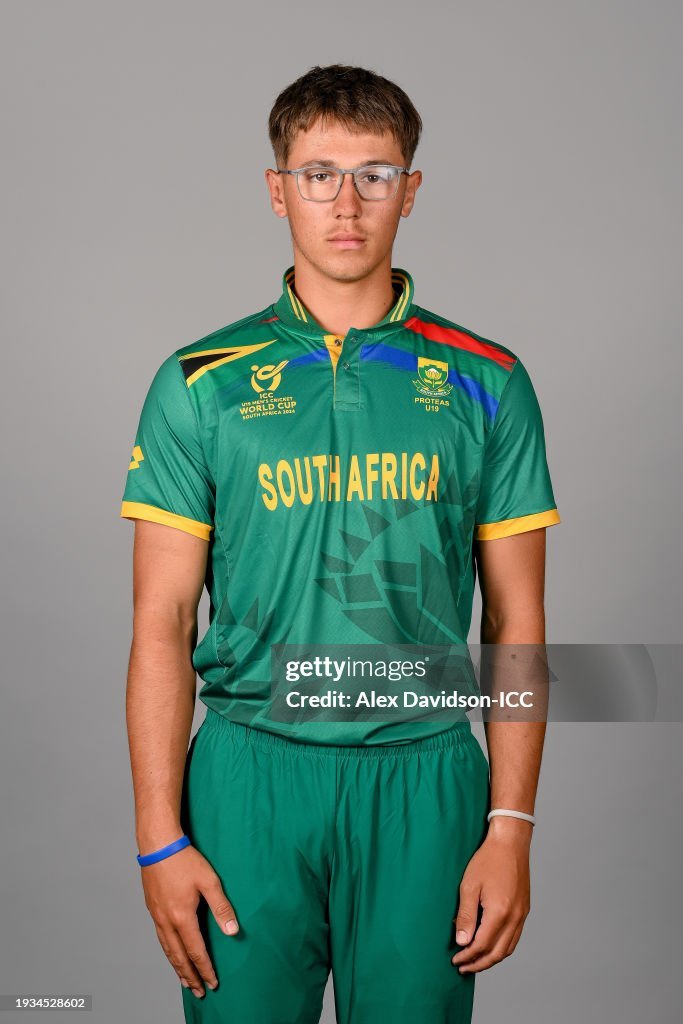
Tristan Luus is a South African cricketer who has steadily built a reputation as a reliable all-rounder in domestic and franchise cricket. Known primarily as a right-arm off-spin bowler and a capable right-handed lower-order batsman, Luus has showcased his skills across various limited-overs formats, gaining recognition for his accuracy and versatility on the field. While he has not yet broken into the international arena for South Africa, his performances in domestic leagues and emerging franchise competitions have drawn attention to his growing potential. Born and raised in South Africa, Tristan Luus developed his cricketing skills through the country’s robust domestic…

Monank Patel has emerged as a key figure in the growing world of cricket in the United States. Known for his dependable batting and leadership qualities, Patel has played a vital role in raising the profile of American cricket on the international stage. Born in India, Patel moved to the United States where he developed his cricketing skills and eventually qualified to represent the USA national team. Since then, he has become one of the most consistent performers for the country and an inspiration for many young cricketers in the region. Patel is a right-handed batsman who often occupies the…
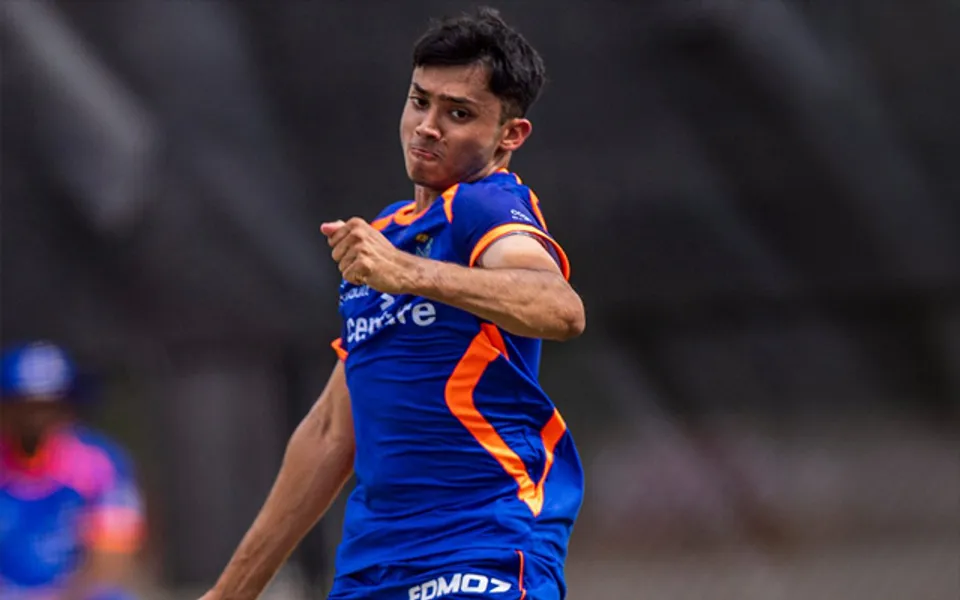
Rushil Ugarkar, a young medium pace bowler aged just 22, emerged as a key figure in the dramatic final of Major League Cricket (MLC), showcasing his talent and composure under intense pressure. Although Ugarkar has yet to make his international debut, his performance in the championship game helped MI New York secure their second MLC title in a nail-biting finish against Washington Freedom. The final match was closely contested, with MI New York posting a competitive total of 180 for 7. Washington Freedom chased valiantly, scoring 175 for 5, but ultimately fell short by five runs. The highlight of the…

Major League Cricket (MLC) is quickly becoming a key player in expanding the popularity of cricket in the United States. As a professional Twenty20 (T20) cricket league, MLC brings the fast-paced and exciting version of cricket to a country where the sport has not traditionally been mainstream. The league aims to develop local talent, attract international stars, and build a strong cricket culture in the US. The league was officially launched in 2021, with its first season beginning in 2023. Major League Cricket was created to build a professional cricket infrastructure in the US, offering a platform for domestic and…

Central Asia is a vast and diverse region located in the heart of the Asian continent. It traditionally includes five countries: Kazakhstan, Kyrgyzstan, Tajikistan, Turkmenistan, and Uzbekistan. These nations share a common history and geography but have unique cultures and political landscapes. Central Asia has long been a key crossroads of civilizations, playing a major role in connecting the East and West. Historically, Central Asia was an essential part of the ancient Silk Road trade routes. These routes linked China, the Middle East, Europe, and South Asia, facilitating the exchange of goods, ideas, and cultures. The region’s rich history includes…

International investment plays a vital role in the global economy by allowing capital to move across borders in search of new opportunities and growth. It involves the flow of money from investors in one country to assets or businesses in another. This movement of funds is crucial for fostering economic development, technological progress, and stronger ties between nations. There are two main types of international investment. The first is Foreign Direct Investment (FDI), where investors take a controlling stake in a foreign company or establish operations in another country. This can include building factories, buying companies, or forming partnerships. The…

Mikael Franzén is the head of marketing for Saab’s Gripen fighter jet program. In his role, he plays a key part in promoting the Gripen aircraft as defense needs evolve worldwide. With rising tensions and changing military priorities, Franzén is guiding Saab’s strategy to attract new buyers and adapt to shifting markets. The Gripen fighter jet, produced by Swedish company Saab, has long been Sweden’s frontline defense. It is known for its cost-effectiveness, advanced sensors, and ability to operate from short runways. Despite its strengths, the Gripen has faced challenges in securing large export deals compared to competitors like the…

Mark Carney is a well-known Canadian economist and banker, but he is not a prime minister. The title “Prime Minister Mark Carney” has surfaced in recent discussions and speculative reports, yet no official position or announcement supports this claim. Carney has never held elected office in Canada or any other country. He is best recognized for his leadership in central banking and his global efforts in sustainable finance. Carney was born on March 16, 1965, in Fort Smith, Northwest Territories, Canada. He earned a bachelor’s degree in economics from Harvard University and went on to complete a master’s and doctorate…

The Eurofighter Typhoon is one of Europe’s most advanced fighter aircraft, designed for both air superiority and multirole missions. Built by a consortium of Airbus, BAE Systems, and Leonardo under the Eurofighter GmbH, the Typhoon is a twin-engine, canard–delta wing fighter jet that serves several European and international air forces. It represents a key part of Europe’s defense strategy and a major milestone in collaborative military technology. The development of the Typhoon began in the 1980s, under the European Fighter Aircraft program, as European nations sought to create a modern combat aircraft independent of the United States. The aircraft took…

Saab CEO Micael Johansson has become a key figure in Europe’s changing defense landscape. As President and Chief Executive Officer of Saab AB since October 23, 2019, Johansson is steering the Swedish defense and aerospace company through a period of rising military budgets, shifting alliances, and growing international demand for homegrown European military technology. His long-standing relationship with the company and deep technical expertise have made him an important voice in defense innovation. Johansson began his career at Saab in 1985, starting in technical roles focused on command and control systems. Over the years, he took on leadership positions in…