



Author: Andrew Rogers

Andrew Rogers
Andrew Rogers is a seasoned journalist and news analyst specializing in global affairs, politics, and finance. With a passion for investigative reporting, he delivers accurate, insightful stories that inform and engage readers worldwide.
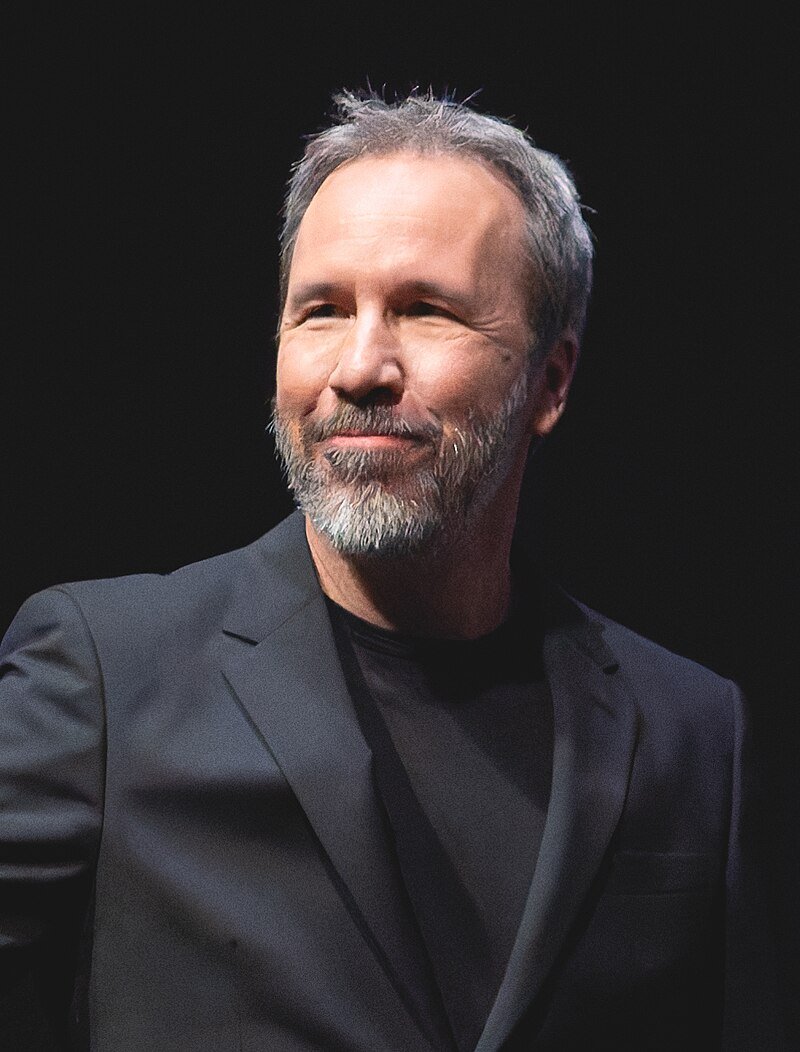
Denis Villeneuve is a Canadian filmmaker known for his striking visuals, deep storytelling, and ability to direct both intimate dramas and large-scale science fiction epics. Born on October 3, 1967, in Gentilly, Quebec, Villeneuve has become one of the most respected directors in modern cinema. With a career that spans decades, he has created some of the most talked-about films in recent years, including Dune, Blade Runner 2049, Arrival, and Sicario. Villeneuve first gained major attention with his French-language film Incendies in 2010. This powerful drama, centered on a family unraveling the secrets of its war-torn past, was nominated for…
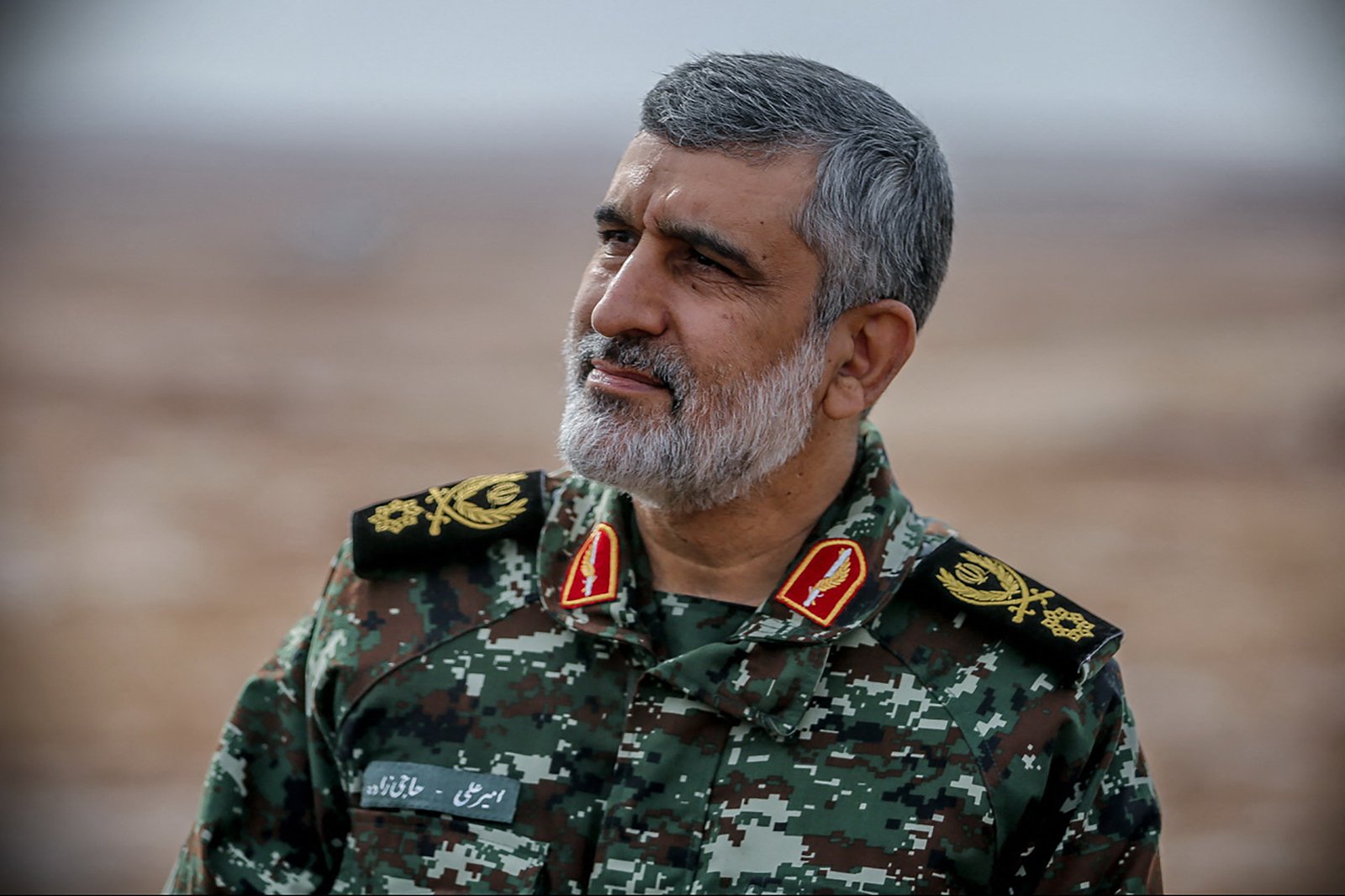
Amir Ali Hajizadeh was one of Iran’s most influential military commanders, known for transforming the country’s missile program into a formidable regional force. As the head of the Islamic Revolutionary Guard Corps Aerospace Force (IRGC-AF), he played a central role in designing, developing, and deploying some of Iran’s most advanced missile systems. Over his decades of service, Hajizadeh became not only a strategist and scientist but also a symbol of resistance for Iran and its allies. Born in 1962 in Tehran, Hajizadeh joined the Islamic Revolutionary Guard Corps during the Iran-Iraq War. He served on the battlefield in key operations,…

Cybersecurity has become one of the most critical issues in today’s digital world. It refers to the practice of protecting computers, networks, devices, and data from cyberattacks, unauthorized access, or damage. As technology grows more advanced and connected, the risks to information security also increase. Cybersecurity is essential for individuals, businesses, and governments to keep their information safe and maintain trust. The importance of cybersecurity lies in its ability to prevent cyber threats that can cause serious harm. Cyberattacks such as hacking, phishing, ransomware, and malware can steal sensitive data, disrupt services, and lead to financial losses. Protecting personal information,…
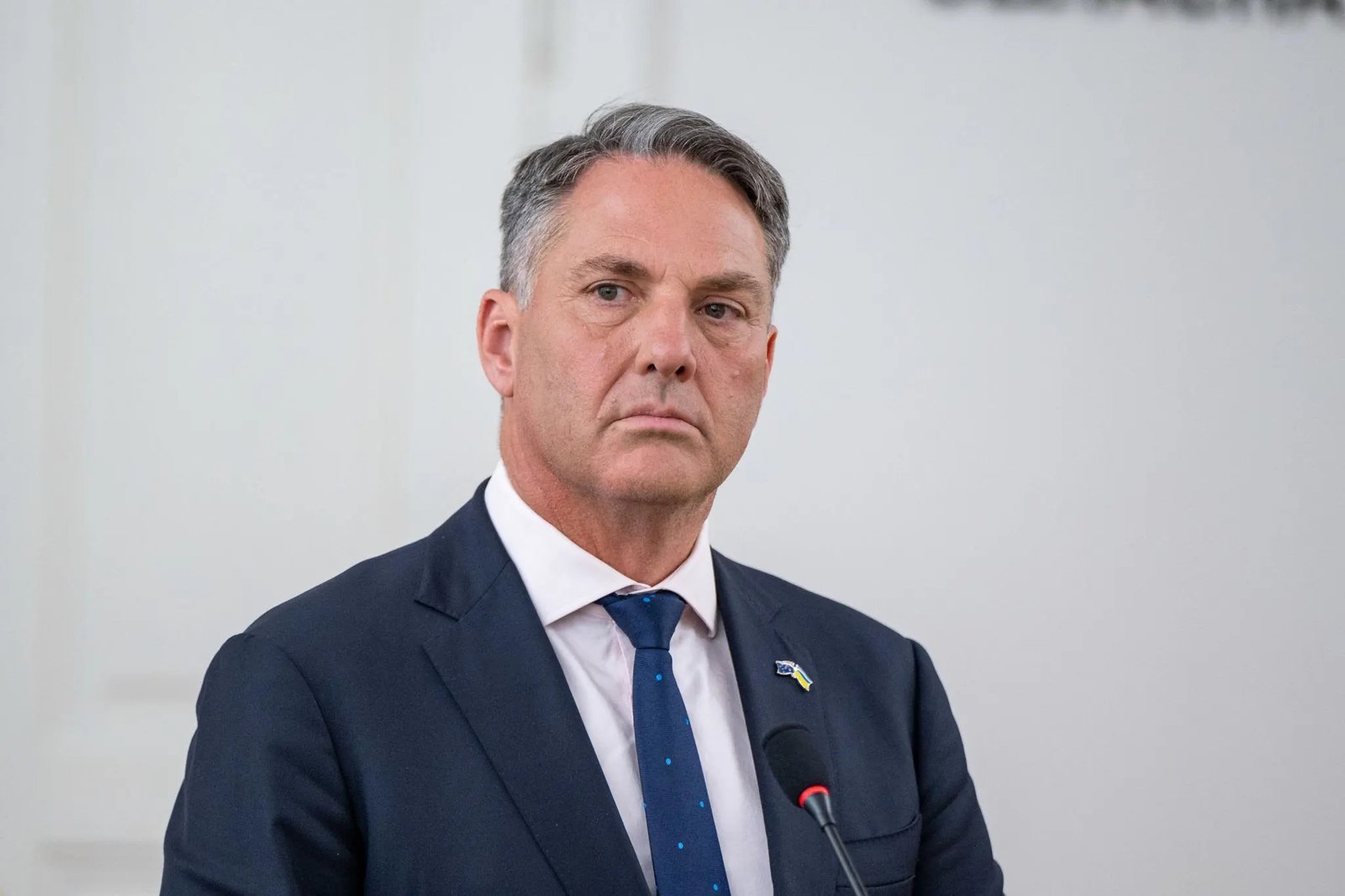
Richard Marles has emerged as one of Australia’s key political figures, holding the important dual roles of Deputy Prime Minister and Minister for Defence. Since May 2022, Marles has been central to shaping Australia’s defence policies and international partnerships, particularly during a time of rising global tensions and shifting geopolitical alliances. As a senior member of the Australian Labor Party, Marles represents the Division of Corio in Victoria, a seat he has held since 2007. Before entering politics, he was a lawyer and political advisor, gaining valuable experience that has informed his approach to governance and strategic decision-making. Throughout his…
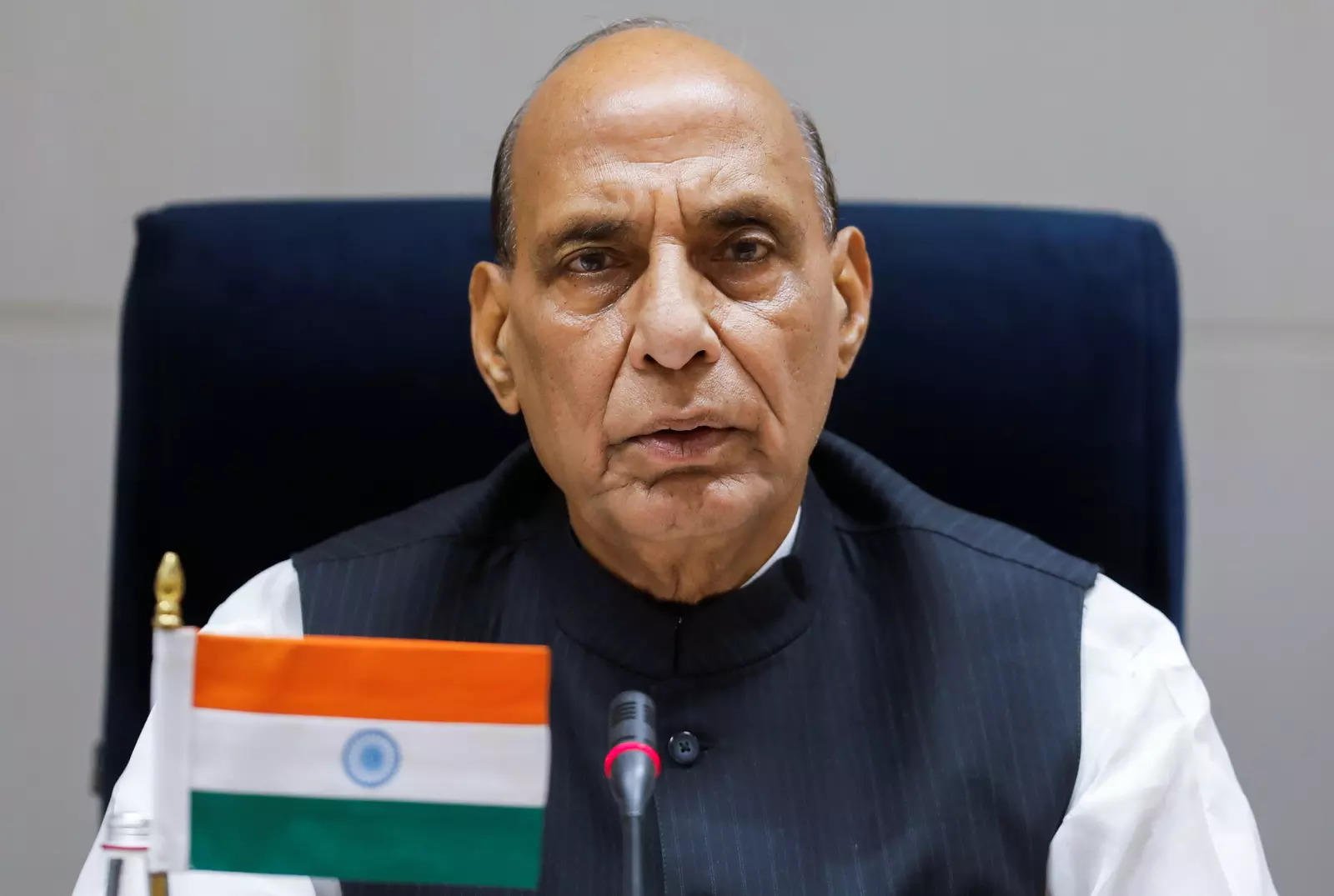
Rajnath Singh is one of India’s most experienced and respected political leaders. Born on July 10, 1951, in the village of Bhabhaura, Uttar Pradesh, Singh rose from humble beginnings to hold some of the highest offices in the country. With a strong educational background including a Master’s degree in Physics and a Bachelor of Education, Singh’s journey in politics has been marked by dedication, discipline, and a commitment to public service. A senior leader of the Bharatiya Janata Party (BJP), Rajnath Singh has played a key role in shaping the political landscape of India for decades. He has served in…

Andrea Ghiselli is a lecturer at Exeter University who has recently gained attention for his insights into international security and defense policies. His expertise became particularly notable during discussions around China’s role in global military affairs, especially concerning its potential support to Iran amid rising tensions in the Middle East. Ghiselli’s comments provide an important academic perspective on how global powers navigate complex diplomatic and military relationships without escalating conflicts. Exeter University, where Andrea Ghiselli teaches, is known for its strong programs in politics, international relations, and security studies. As a lecturer, Ghiselli focuses on issues related to defense policy,…
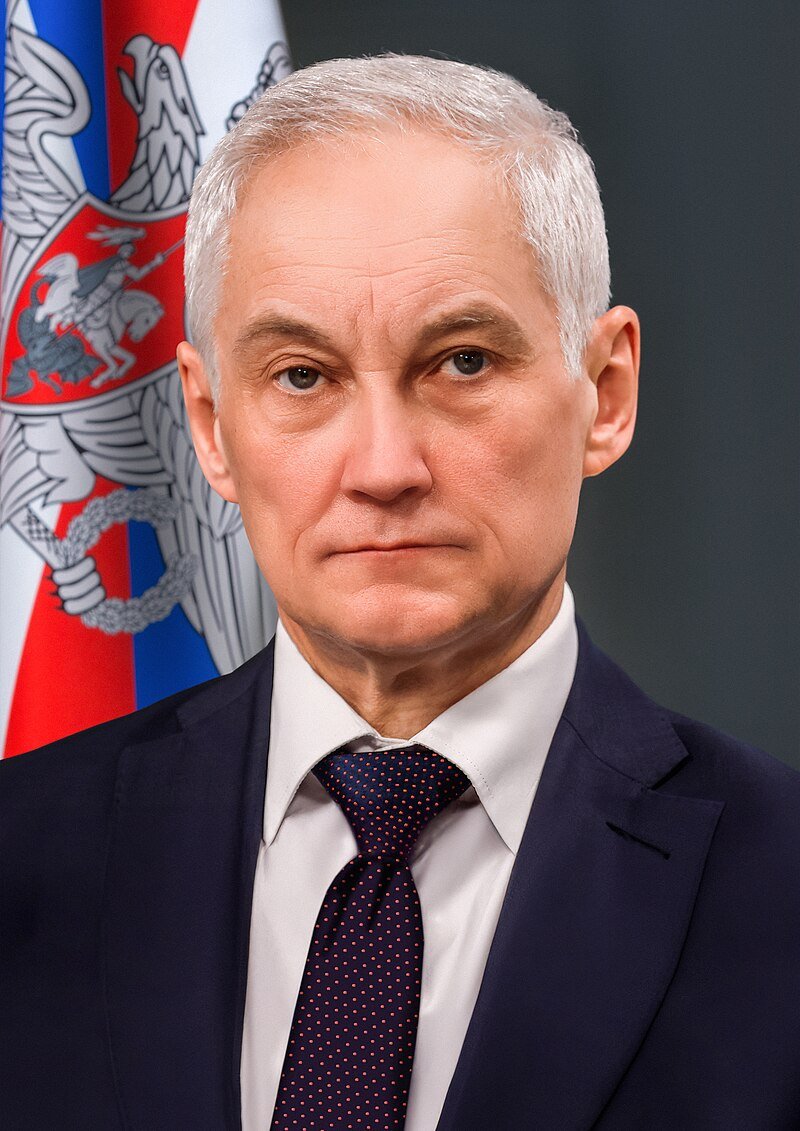
Andrei Belousov has recently gained attention as the Russian Defence Minister participating in a significant international meeting held under the Shanghai Cooperation Organisation (SCO) in Qingdao, China. During this important gathering, Belousov shared his views on the growing dangers and uncertainties facing the world today. His presence alongside defence leaders from China, Iran, India, and other SCO member states highlights Russia’s ongoing commitment to regional security and international cooperation within this influential group. At the Qingdao meeting, Andrei Belousov emphasized that global political and military tensions are worsening, creating a more dangerous and unpredictable environment. His comments reflected concerns about…
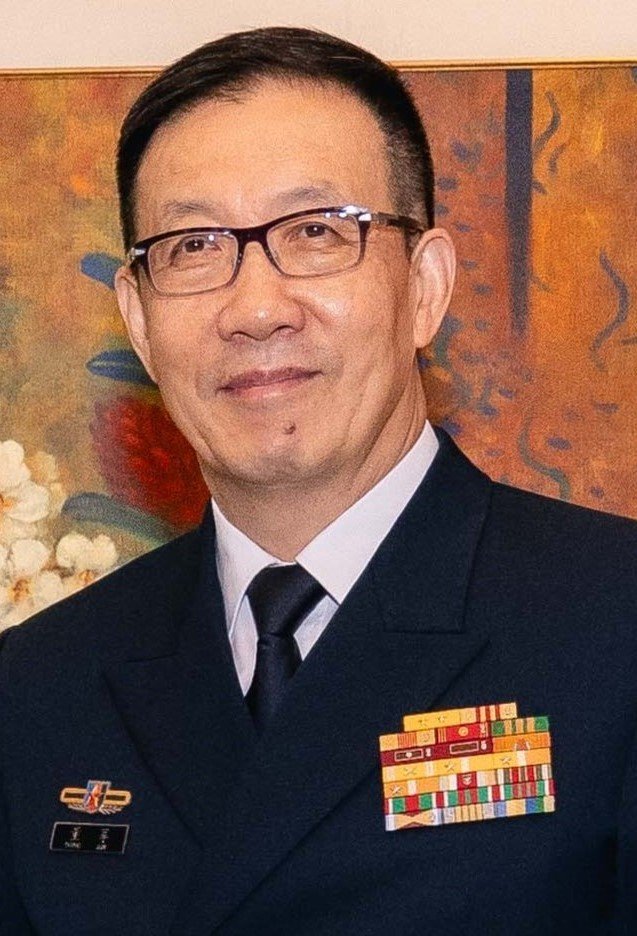
Dong Jun has emerged as a key figure in China’s defence landscape. As the current Chinese Defence Minister, he plays a critical role in shaping the country’s military policies and international relations. Since his appointment in 2023, Dong Jun has represented China’s growing influence in global security affairs. His leadership reflects China’s commitment to expanding its military presence and strengthening ties with other nations through diplomatic and strategic cooperation. Dong Jun is a high-ranking officer in the People’s Liberation Army (PLA), China’s main military force. Before becoming Defence Minister, he held several important positions within the PLA, which equipped him…
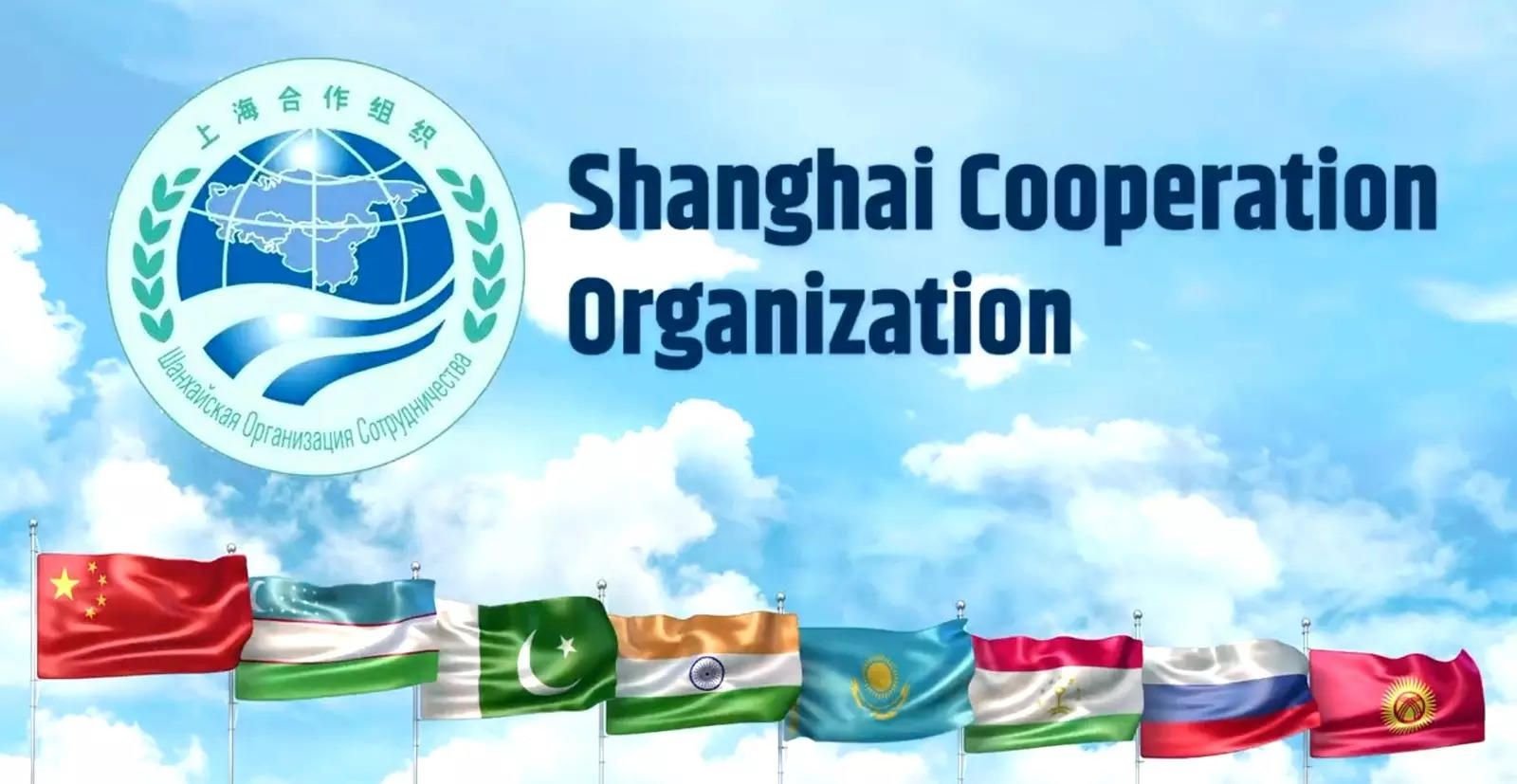
The Shanghai Cooperation Organisation is a key regional alliance that brings together countries from Eurasia to work on security, economic, and political cooperation. Founded in 2001, the group has become an important platform for promoting peace and development among its member states. The organisation originated from the Shanghai Five, which was a smaller group formed in 1996 by China, Russia, Kazakhstan, Kyrgyzstan, and Tajikistan to resolve border issues and build trust. Uzbekistan joined in 2001, leading to the creation of the Shanghai Cooperation Organisation as it is known today. The SCO currently includes eight full member states: China, Russia, Kazakhstan,…
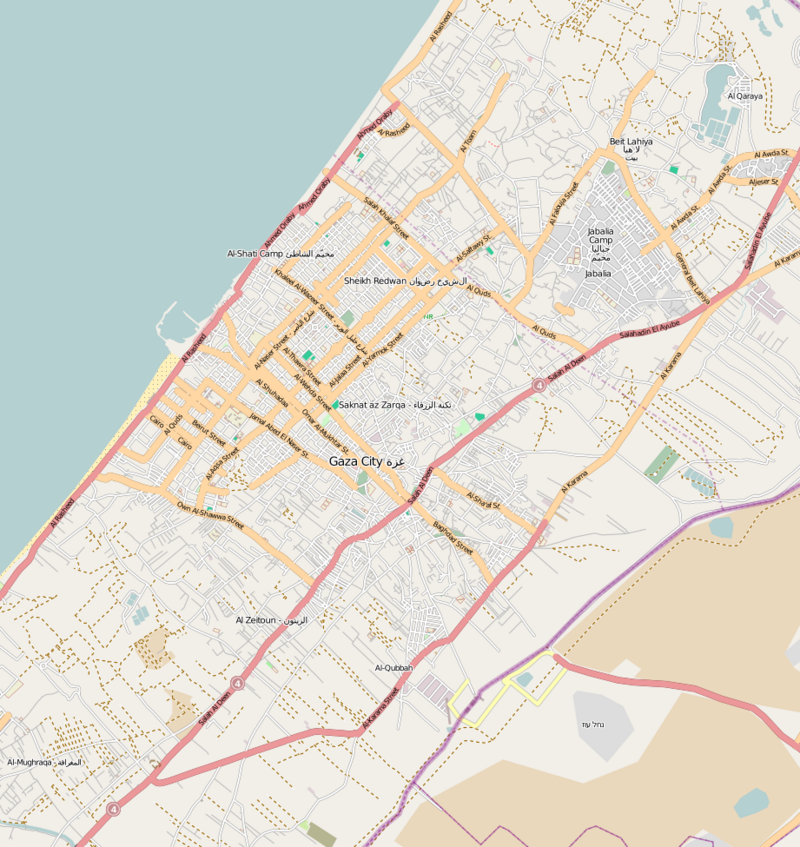
Sheikh Radwan is a neighborhood in northern Gaza City that has become a focal point of the ongoing conflict in the Gaza Strip. This densely populated area is home to many Palestinian families and has seen significant hardship due to repeated military actions and humanitarian challenges. Located in the northern part of Gaza City, Sheikh Radwan holds strategic importance, which has made it a frequent target during periods of escalation between Israeli forces and Palestinian groups. The neighborhood’s residents often face extreme risks as violence unfolds, with many civilian homes and public buildings suffering damage from airstrikes and drone attacks.…