



Author: Andrew Rogers

Andrew Rogers
Andrew Rogers is a seasoned journalist and news analyst specializing in global affairs, politics, and finance. With a passion for investigative reporting, he delivers accurate, insightful stories that inform and engage readers worldwide.
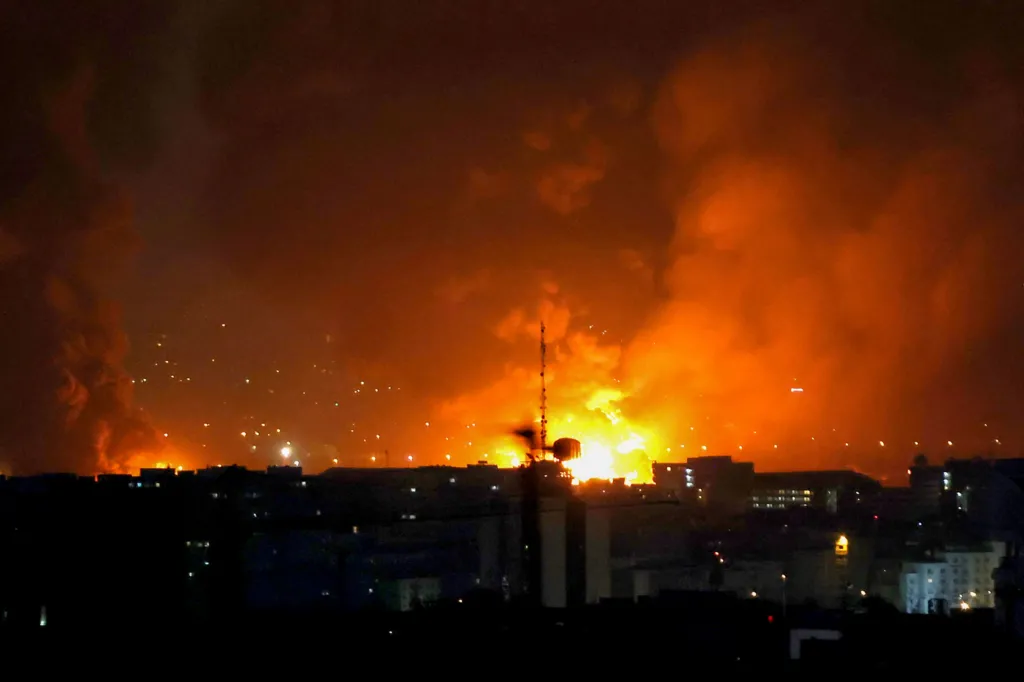
The Middle East conflict entered its ninth day on Sunday with a fresh escalation that saw Israeli attacks on Iranian fuel infrastructure in Tehran followed by Tehran’s own strikes on Israeli targets including Haifa’s oil refinery. Hostilities now span several Gulf states as Iran carries out retaliatory operations against what it calls US‑Israeli aggression. According to Daljoog News analysis, the widening campaign underscores how rapidly the confrontation has expanded beyond isolated border skirmishes to multiple fronts involving civilian targets, strategic energy facilities, and military installations across the region. As regional cities endure bombardment and global markets react, diplomats and analysts…
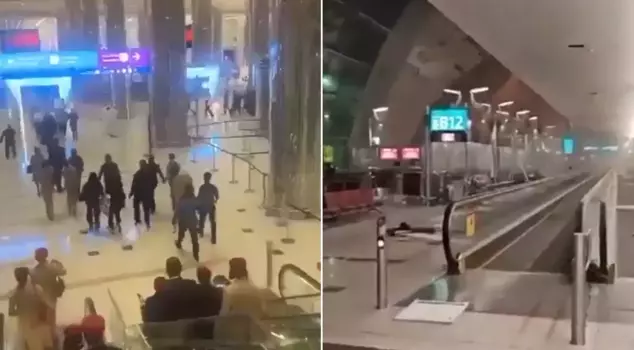
Dubai International Airport, one of the busiest hubs in the world, has faced unprecedented disruption as Middle East tensions escalate. Security measures prompted by potential Iranian retaliatory strikes have forced temporary closures, leaving thousands of passengers stranded and flights canceled. According to Daljoog News analysis, the airport’s shutdown highlights the immediate impact of regional conflict on global connectivity. Beyond the Gulf, international trade, tourism, and air cargo networks have all felt the strain, signaling broader economic consequences. The disruption comes amid fears over the Strait of Hormuz, a critical oil shipping lane, where ongoing military hostilities have raised energy market…
A 4.1-magnitude tremor struck near Bandar Abbas in southern Iran early Saturday, sending ripples of concern through the local population and the international community. While small, the quake’s timing has sparked speculation amid heightened regional tensions involving Israel, the United States, and Iran. According to Daljoog News analysis, the tremor raises questions about whether it is purely geological or potentially linked to clandestine underground activity, including speculation about Iran’s nuclear program. The event comes during a period of intense military and diplomatic pressure on Tehran, with recent strikes by Israel and the U.S. targeting Iranian facilities and missile infrastructure, intensifying…
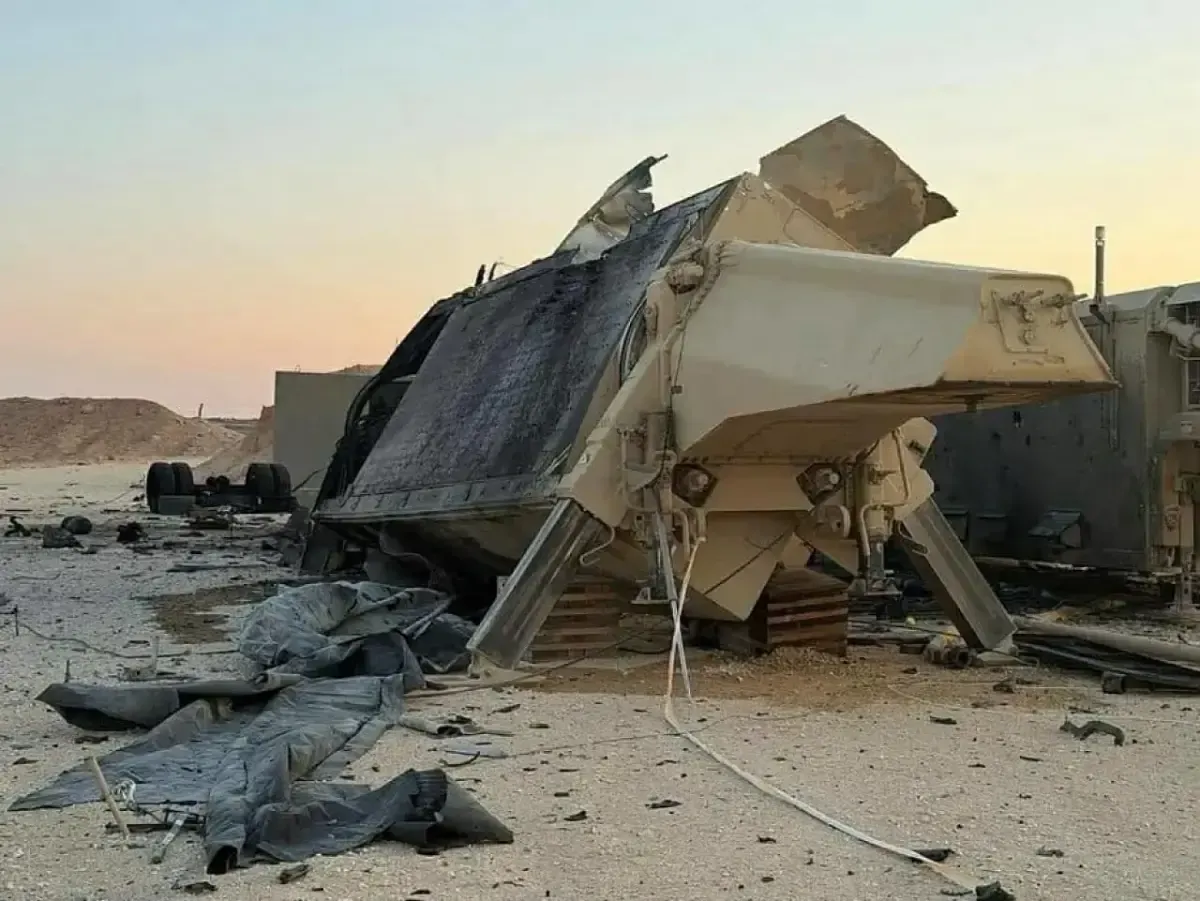
Satellite images reveal that Iran has successfully destroyed a $300 million U.S. radar system in Jordan, marking what analysts consider one of Tehran’s most significant achievements in the ongoing Middle East conflict. The strike comes amid a series of missile and drone attacks targeting American and allied defense systems across the region. According to Daljoog News analysis, Iran’s focus on advanced U.S. missile defense radars illustrates a strategic shift toward undermining American military capabilities without engaging in direct full-scale confrontations. The timing is notable as these attacks coincide with Iran’s broader campaign against U.S. and allied positions in the Gulf,…
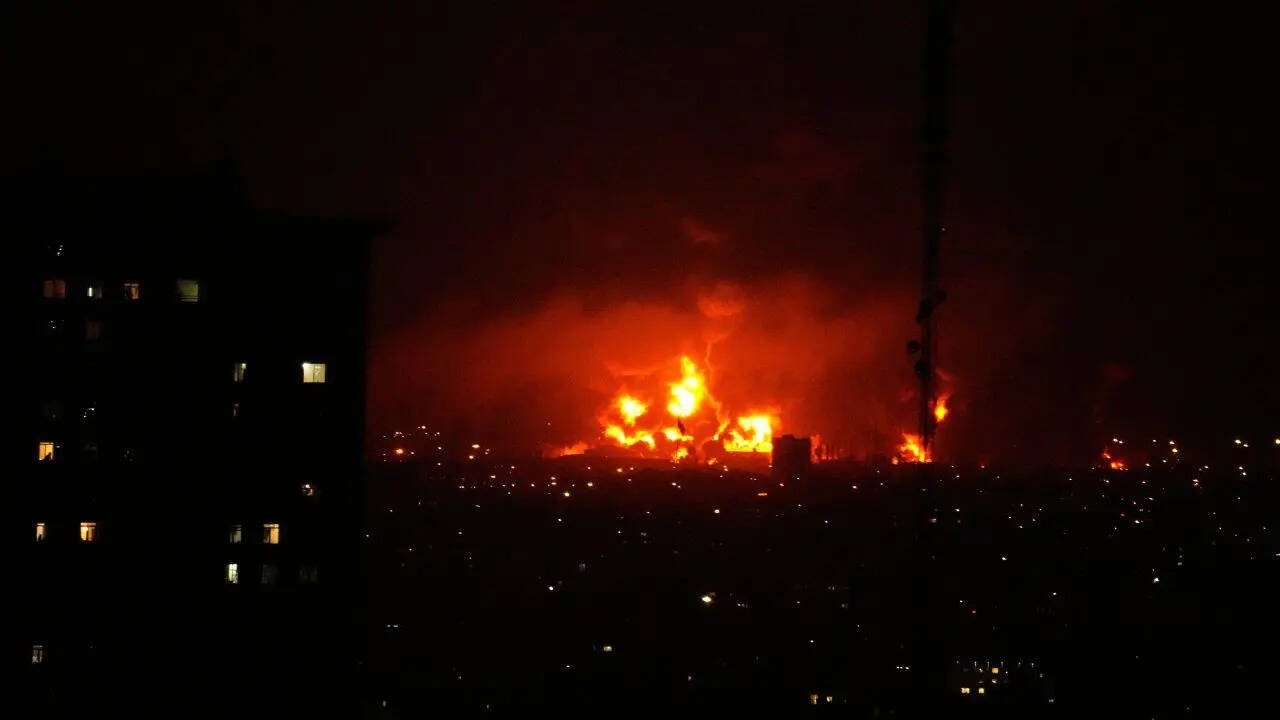
Explosions and fires erupted in parts of Tehran after strikes targeted oil storage facilities and refineries, marking a dramatic escalation in the ongoing confrontation involving Israel, the United States, and Iran. Iranian authorities reported that the attacks damaged energy infrastructure and caused fires visible across several areas of the capital. According to Daljoog News analysis, the targeting of oil facilities signals a strategic shift in the conflict, expanding the battlefield from military installations to critical economic infrastructure. The escalation comes as the confrontation enters its second week, with violence spreading across multiple regions including the Gulf, Israel’s northern front, and…
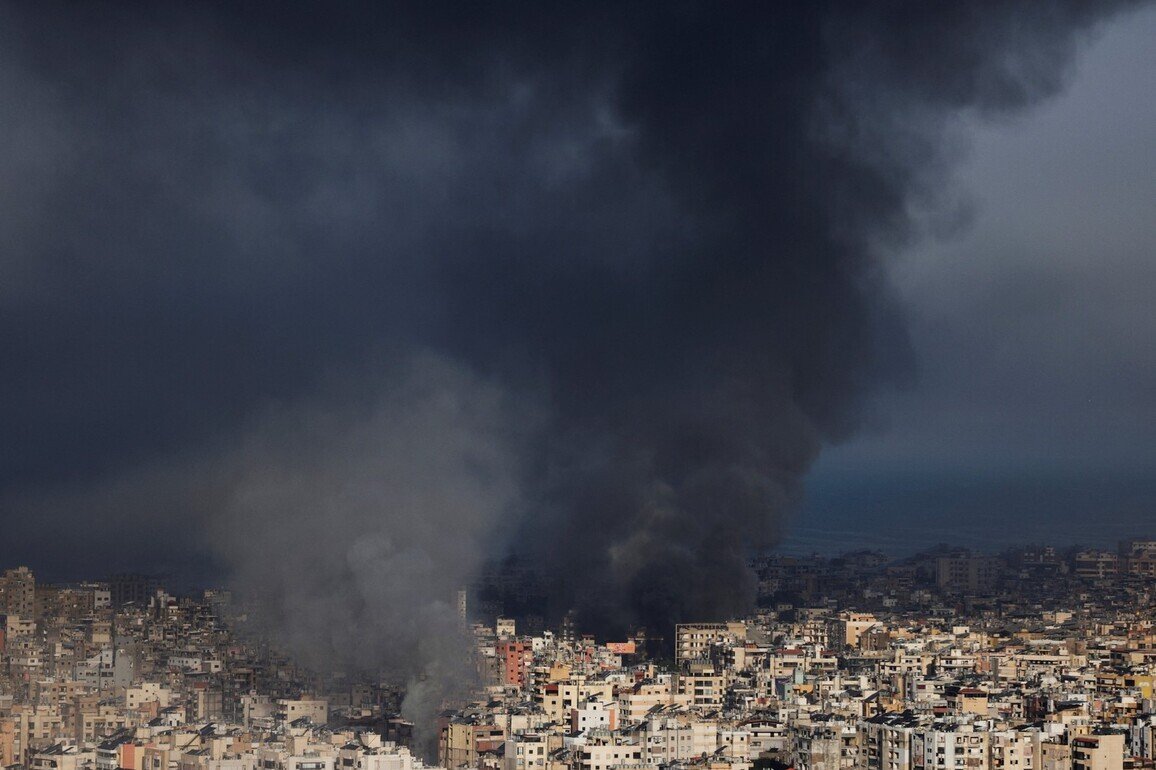
Northern Israel came under renewed attack as drones and missiles targeted several locations, triggering air raid sirens across the region. Iranian officials claimed responsibility for coordinated strikes that reportedly hit multiple targets, including areas near the port city of Haifa. According to Daljoog News analysis, the latest wave of attacks signals a widening confrontation in which Iran, Hezbollah, and Israel are increasingly operating across several battlefronts at the same time. The developments come at a moment when the Middle East is already experiencing one of its most volatile periods in years, with military exchanges stretching from Israel and Lebanon to…
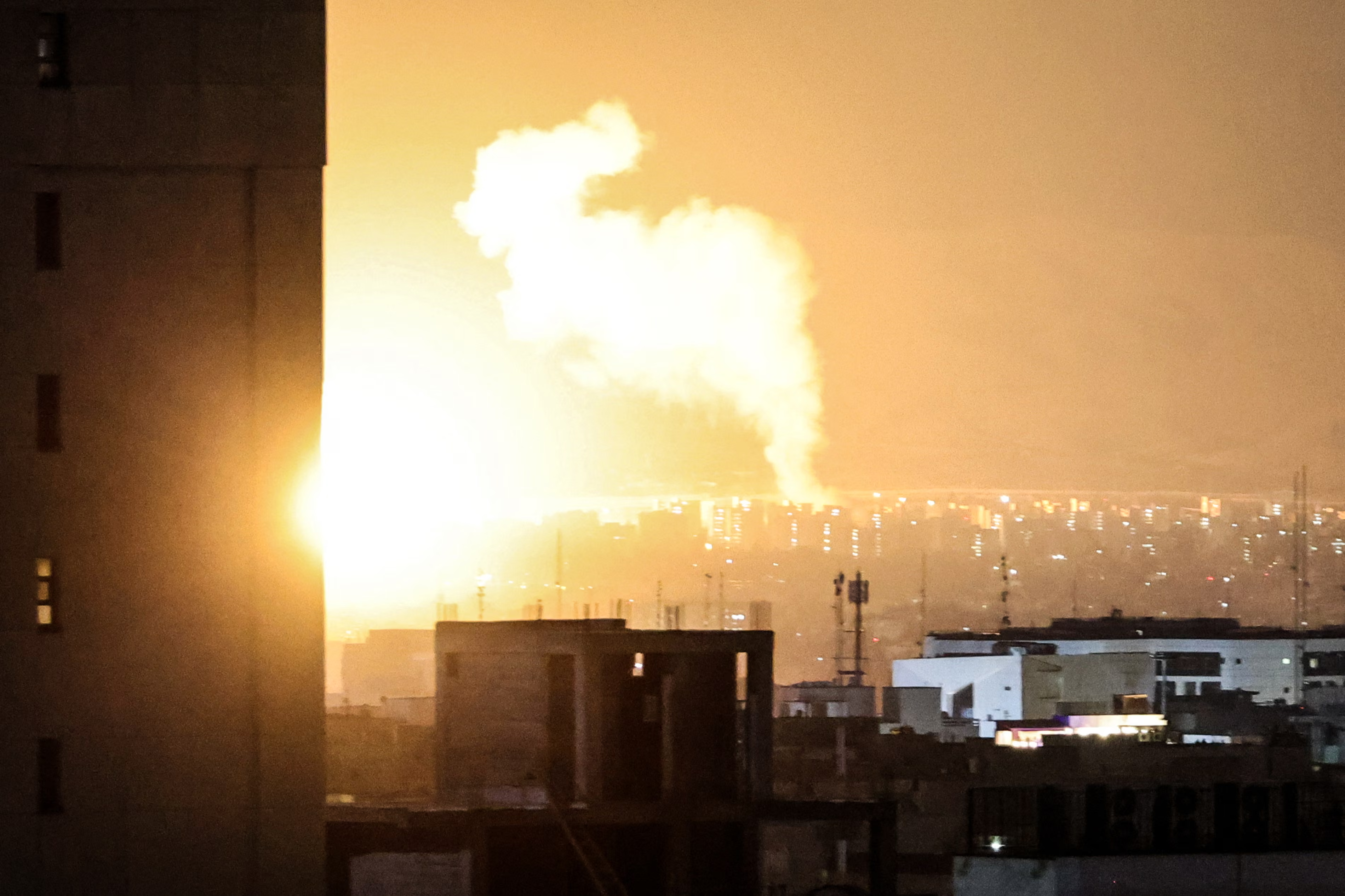
Early Saturday, Iran launched multiple waves of missiles targeting central Israel, including the capital Tel Aviv. Warning sirens blared across cities as Israel’s air defense systems scrambled to intercept the incoming projectiles. According to Daljoog News analysis, these attacks mark a sharp escalation in the Iran-Israel-US conflict, now spilling over into neighboring Gulf countries and signaling the growing regional reach of Iran’s missile capabilities. The strikes come amid mounting tensions that have drawn in international powers, including the United States and Russia, with both strategic military support and diplomatic pressure shaping the unfolding crisis. What Happened? Iran’s missile barrages early…
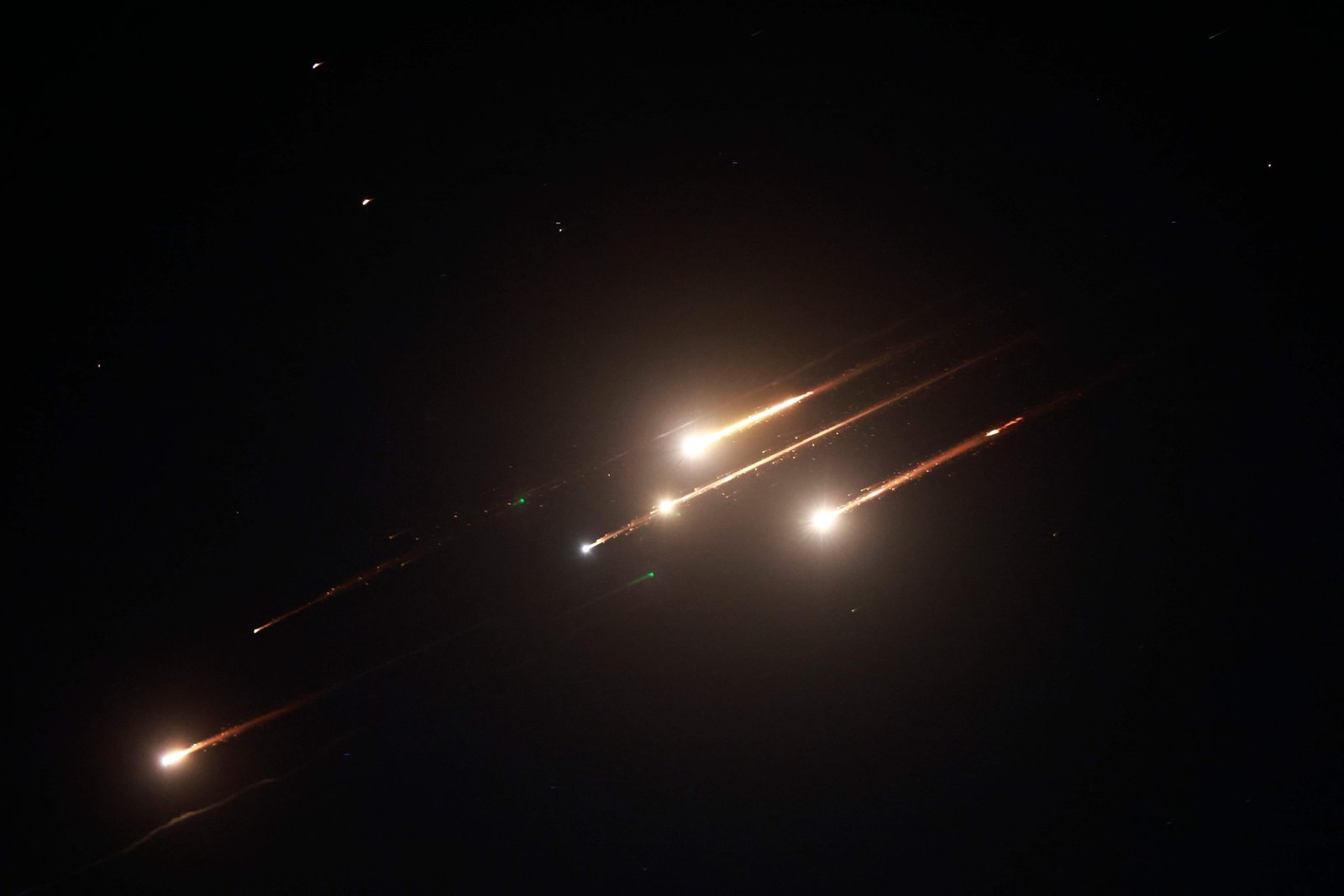
Iran says many of its recent missile attacks against US and Israeli targets were carried out using weapons developed more than a decade ago. Officials claim the country’s most advanced missile systems remain unused and are being reserved for a possible longer war. According to Daljoog News analysis, the statement appears designed to send a strategic message: Tehran may still hold significant military capabilities in reserve despite weeks of high-intensity strikes across the region. The claim comes as the conflict between Iran, Israel, and the United States expands into one of the most volatile military confrontations in the Middle East…
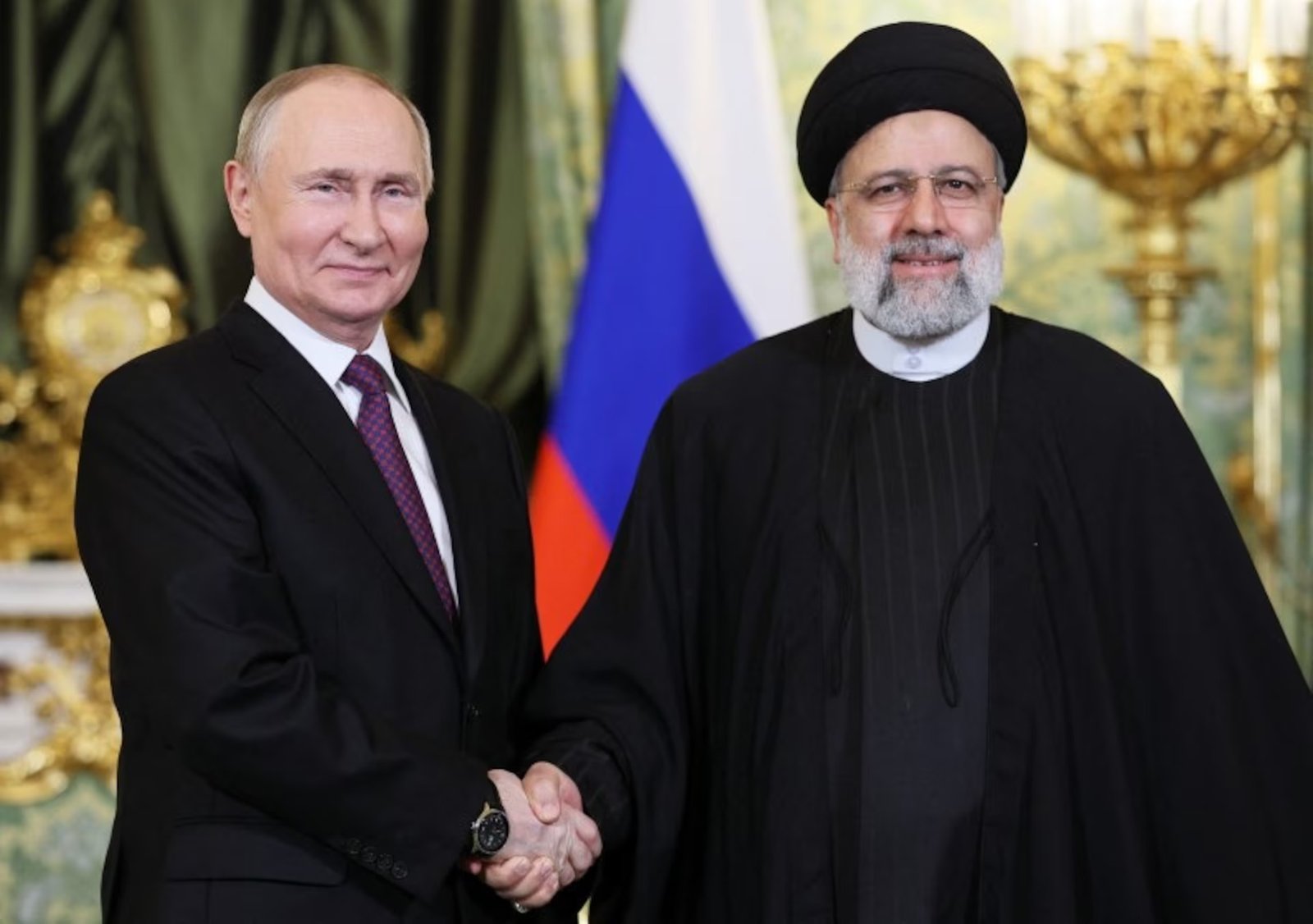
US officials allege that Russia has been supplying Iran with intelligence on American military positions, enabling Tehran to conduct precise strikes against US assets in the Middle East. Sources cited in the Washington Post report that three unnamed US officials confirmed Russia’s involvement. According to Daljoog News analysis, this marks one of the first indications that a major global power may be indirectly supporting Iran’s military operations, potentially altering the dynamics of the ongoing conflict. The situation adds a new layer to a region already destabilized by US-Iran-Israel hostilities, raising concerns about the risks of proxy involvement and the spread…
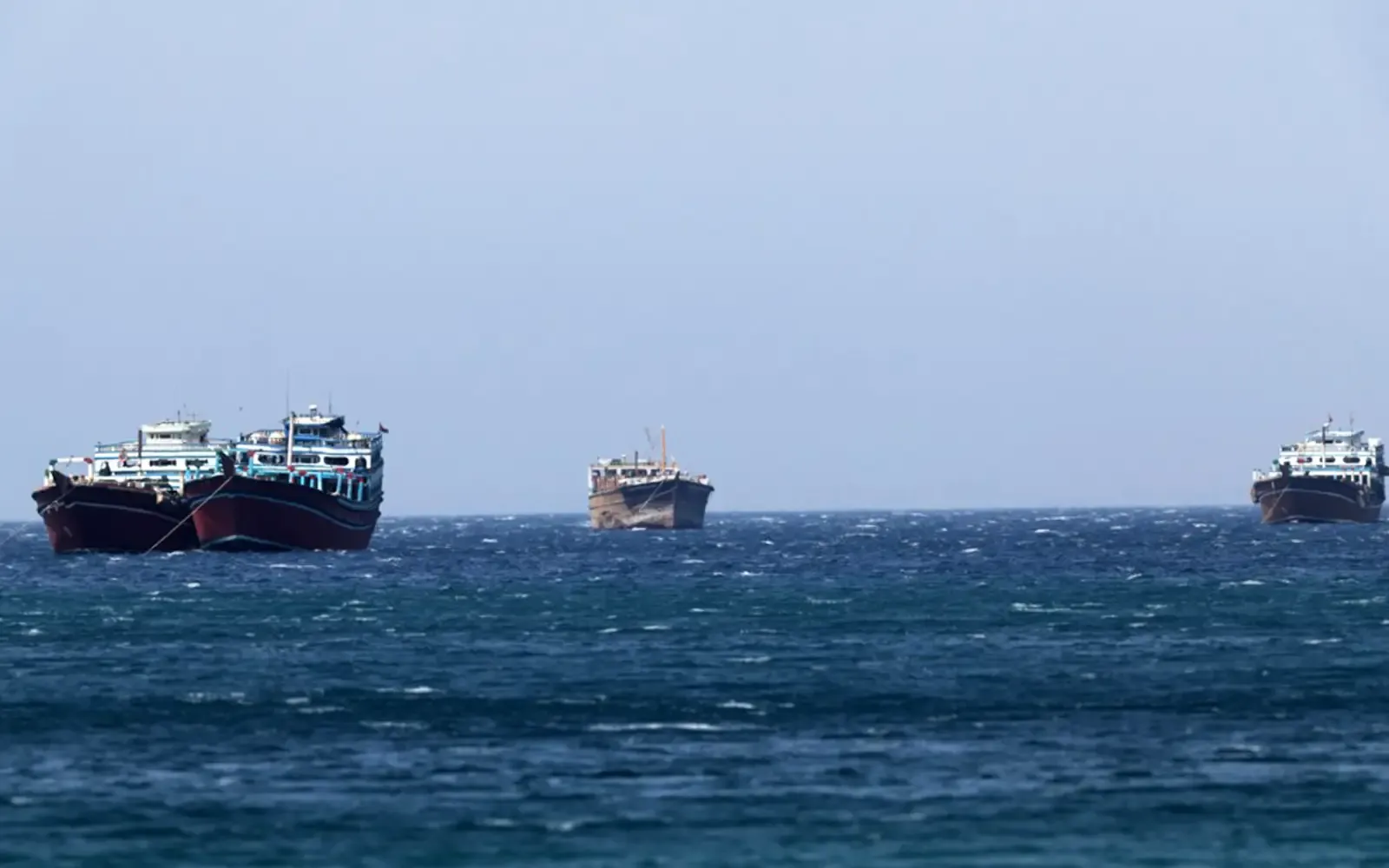
The Strait of Hormuz, one of the world’s most critical maritime chokepoints, has slowed to a near standstill amid escalating Middle East tensions. Chinese officials have opened talks with Iran to guarantee safe passage for oil and LNG tankers through the strait, ensuring vital energy flows. According to Daljoog News analysis, this diplomatic move underscores how reliant China is on Middle Eastern energy. Nearly 45 percent of the country’s crude oil imports transit this narrow waterway, making its security crucial to both China and global markets. The disruption comes in the wake of ongoing hostilities between Iran, the United States,…