If 2026 is the main course for U.S. soccer fans, then 2025 served as a flavorful appetizer of highs and lows. The year offered moments of brilliance, emerging talent, and organizational headaches across leagues and tournaments.
Mauricio Pochettino made a significant impact on the U.S. men’s national team, guiding them to a five-game unbeaten streak to close the year. The highlight was a 5-1 demolition of Uruguay, accomplished despite the absence of key players like Christian Pulisic, Tyler Adams, and Weston McKennie. Young talents such as Max Arfsten, Alex Freeman, and Sebastian Berhalter also impressed, hinting at a promising World Cup campaign.
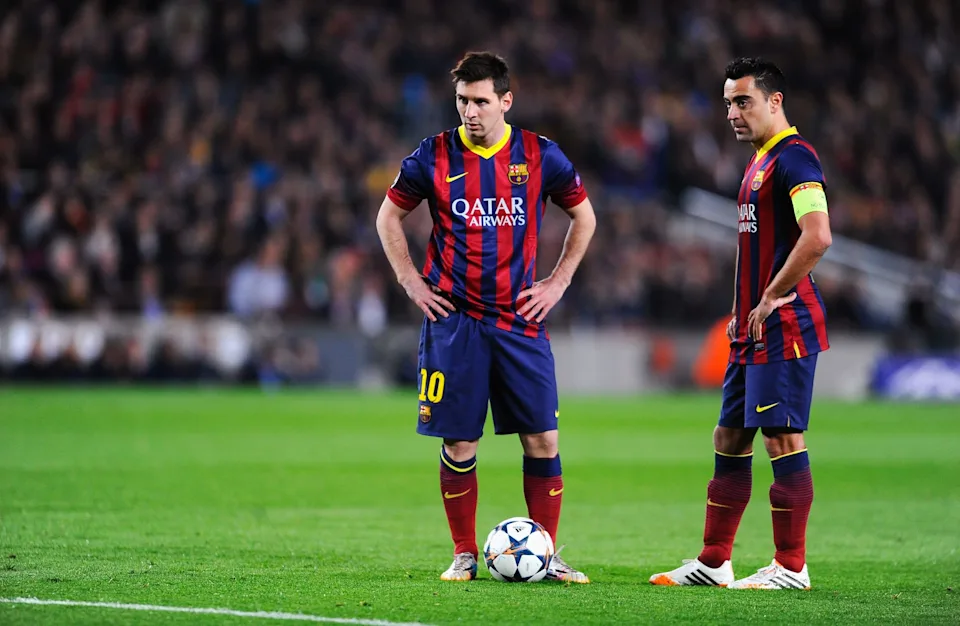
Lionel Messi continued to dazzle MLS audiences, recording 29 goals and 19 assists in 28 regular-season matches and leading Inter Miami to a championship. His back-to-back MVP awards underscored his influence on the league, club, and American soccer culture, proving age is no barrier to excellence.
FIFA, however, faced criticism for its handling of World Cup logistics and ticket pricing, which left many fans frustrated. President Gianni Infantino’s public praise of U.S. President Donald Trump and the political undertones surrounding the tournament drew further scrutiny.
The expanded Club World Cup drew mixed reactions. While intended to crown the best club team globally, the 24-team format strained players and schedules, with field conditions and extreme weather causing disruptions. Trump’s intervention during Chelsea’s celebration at MetLife Stadium added to the unusual spectacle.
On the women’s side, the U.S. national team faced challenges with key players Trinity Rodman, Sophia Wilson, and Mallory Swanson on leave or injured. Yet newcomers like Michelle Cooper, Ally Sentnor, Yazmeen Ryan, Emma Sears, and Catarina Macario stepped up, collectively contributing a significant portion of the team’s goals and assists. The NWSL responded by adjusting salary-cap rules to retain marquee talent.
MLS made strategic decisions in 2025, including a planned pause for the 2026 season to accommodate the World Cup and a calendar shift to align with European leagues. However, a condensed “sprint season” in early 2027 drew criticism for compressing matches and devaluing the MLS Cup. The Los Angeles Galaxy struggled mightily, finishing near the bottom of the standings despite late-season wins, highlighting league unpredictability.
International stars like Thomas Müller and Son Heung-min boosted MLS visibility, though their age reinforced the league’s reputation as a destination for veteran talent. In family-focused stories, Gregg Berhalter guided the Chicago Fire to the playoffs while his son Sebastian excelled with Vancouver and the USMNT. Michael Bradley stepped into coaching with the New York Red Bulls, continuing his family legacy.
Playoffs brought both surprises and heartbreak. Gotham FC won the NWSL championship as a low seed, Philadelphia Union fell in the MLS Eastern semifinals, and Knoxville SC secured USL League One titles. College soccer provided dramatic moments with last-second goals and golden goals in Division III finals.
Individual stars also shone brightly. Lo’eau Labonta celebrated goals with unmatched flair and, at 32, became the oldest player to debut for the U.S. national team, proving passion and skill endure across all ages.
Overall, 2025 provided a compelling mix of growth, triumph, and controversy in American soccer, setting the stage for the 2026 World Cup and beyond.