California WHO health move has drawn national attention after Governor Gavin Newsom announced that the state will join a major global health network linked to the World Health Organization. The decision marks California’s first formal partnership with the WHO’s international public health system and signals a direct challenge to President Donald Trump’s health policy approach.
Newsom confirmed on Friday that California will become part of the Global Outbreak Alert and Response Network. This network connects governments and health agencies worldwide to detect and respond to disease outbreaks faster. The move comes after the United States withdrew from the World Health Organization under the Trump administration.
The governor framed the decision as both a public health step and a political statement. He said California will continue working with global partners to strengthen disease prevention and emergency readiness.
Newsom stated that the state intends to stay active on the global stage even as federal leadership steps back. He stressed that California wants to remain prepared for health threats that do not respect borders.
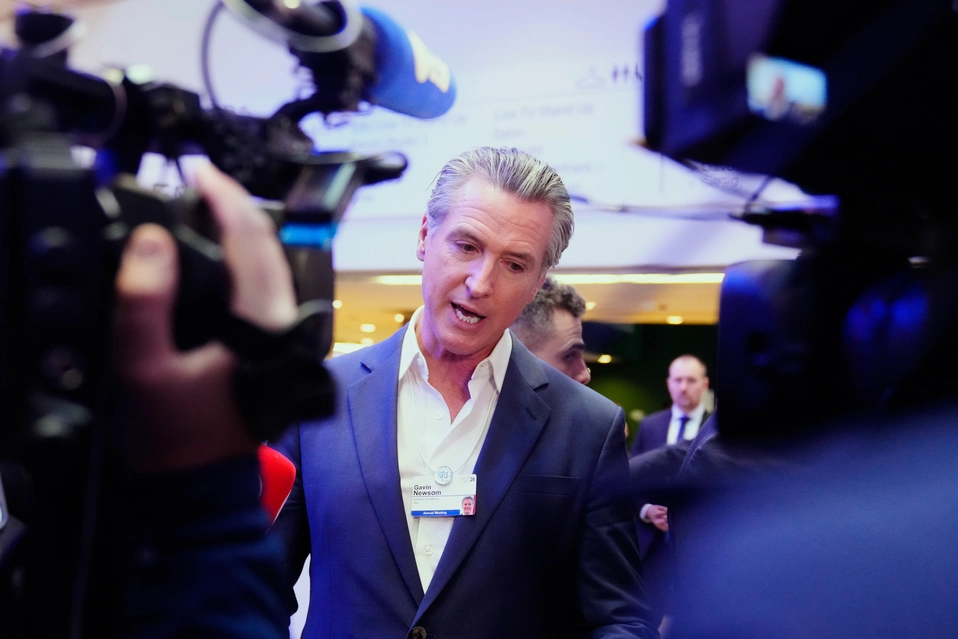
The announcement followed Newsom’s recent international trip, where he met with the WHO director-general during a global economic meeting. According to the governor, those talks helped shape the new partnership and reinforced the need for strong global cooperation.
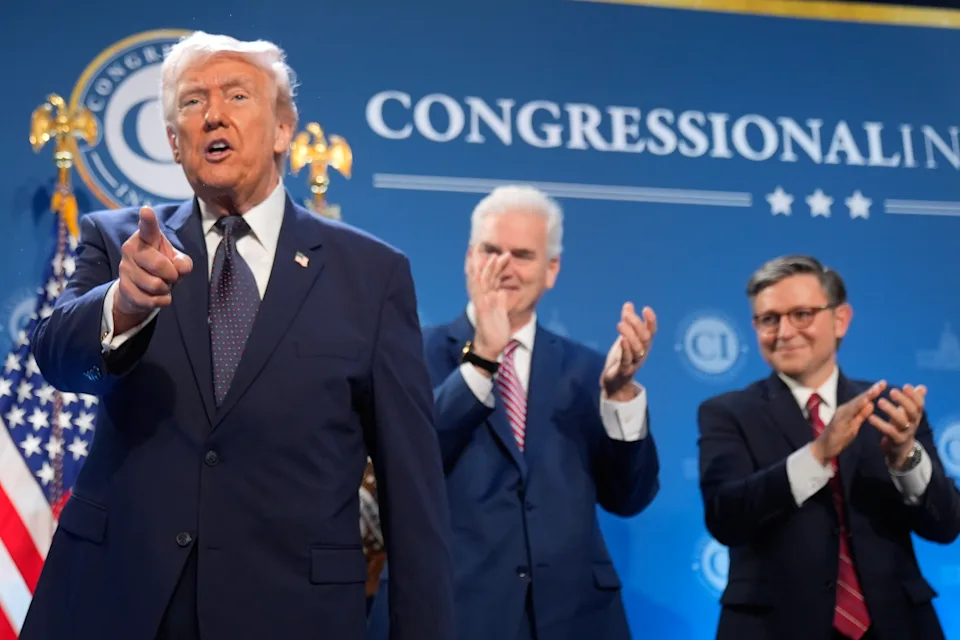
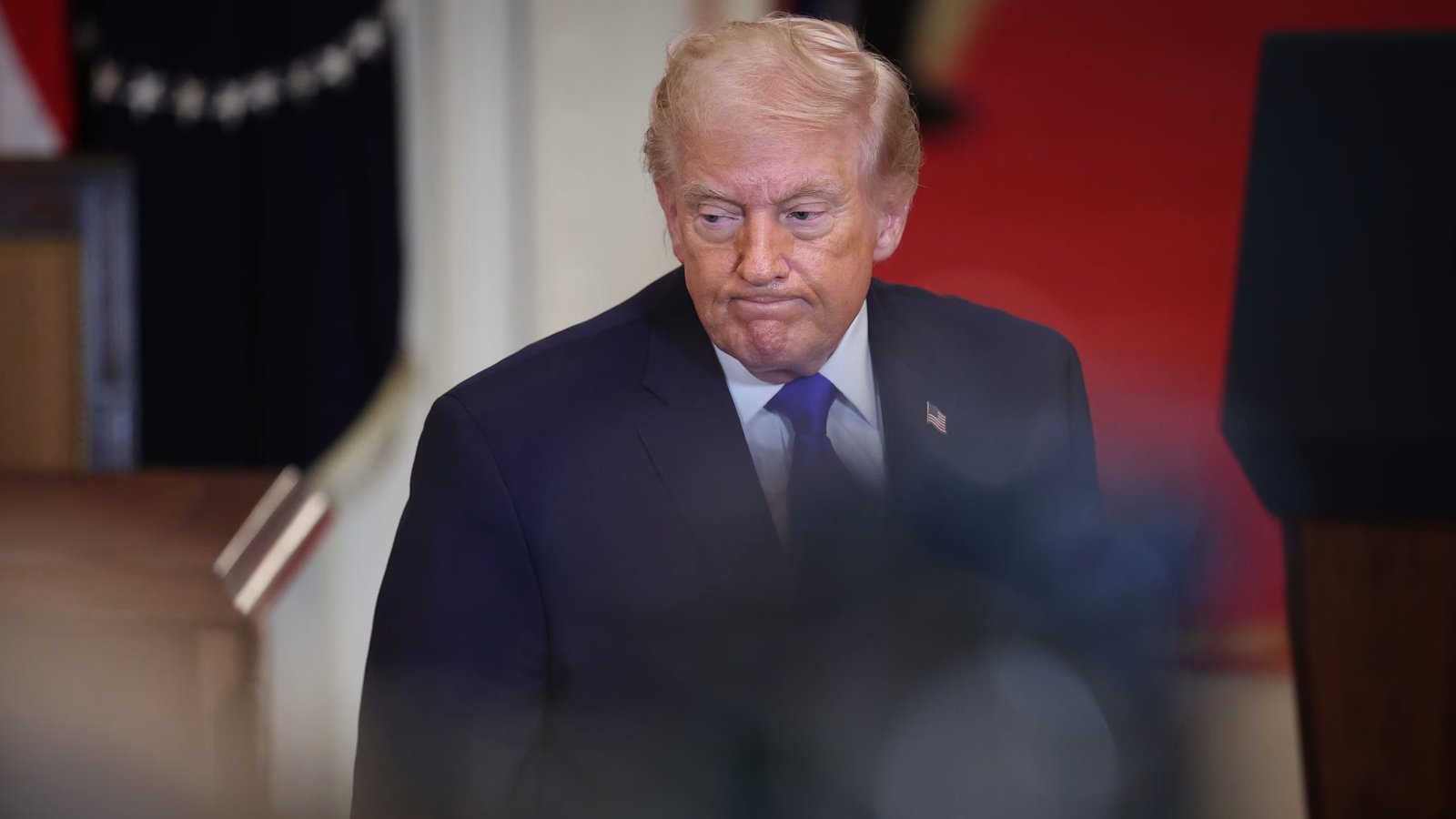
In a public message, Newsom made his position clear. He described California as the first US state to join the WHO outbreak response network after the national withdrawal. He framed the decision as a direct response to Trump’s move to cut ties with the organization.
The California WHO health move reflects a broader strategy by the governor. Over recent months, Newsom has launched several health initiatives that his office says address gaps left by federal policy.
Last month, the state introduced the Public Health Network Innovation Exchange. This initiative aims to help health leaders share tools, data, and ideas to improve readiness for future emergencies. The program focuses on innovation, early detection, and faster response.
Earlier, in October, Newsom joined other governors to launch a separate public health alliance. That group works independently of federal agencies and seeks to coordinate state-level responses to health threats. The alliance focuses on collaboration, information sharing, and best practices.
Together, these steps suggest a long-term plan. Newsom has positioned California as a leader in public health, especially during times of federal retreat. The WHO partnership adds an international layer to that strategy.
Health experts say global cooperation is key to stopping outbreaks before they spread. Networks like the one California is joining allow faster sharing of data, experts, and resources. Supporters argue that early action can save lives and reduce economic damage.
Critics, however, view the move as political. Some argue that states should not form international partnerships without federal involvement. Others say public health decisions should remain national, not state-led.
Newsom’s office rejects that criticism. Officials say public health threats affect states directly, and states must act when national leadership falls short. They argue that joining global networks improves safety for Californians.
The California WHO health move also highlights a growing divide in US health policy. While some leaders favor global cooperation, others prioritize national control. This divide became sharper during past health crises and continues to shape political debate.
California has one of the largest public health systems in the country. It also has major international travel hubs and trade links. Supporters of the decision say that makes global coordination especially important for the state.
The governor has not said whether California will seek deeper involvement with the WHO beyond the current network. For now, the focus remains on outbreak detection, emergency response, and preparedness.
As global health risks continue to evolve, California’s role may expand. The decision signals that the state is willing to act independently on health matters when it sees a need.
The California WHO health move sends a clear message. While federal policy may shift, the state plans to stay connected to global health efforts. Newsom has made it clear that California intends to lead, not wait, when it comes to protecting public health.