


Cambodian and Thai leaders met in Malaysia Monday to seek a ceasefire after deadly clashes on their shared border entered a fifth day. The talks aim to stop violence that has killed at least 35 people and displaced over 260,000.
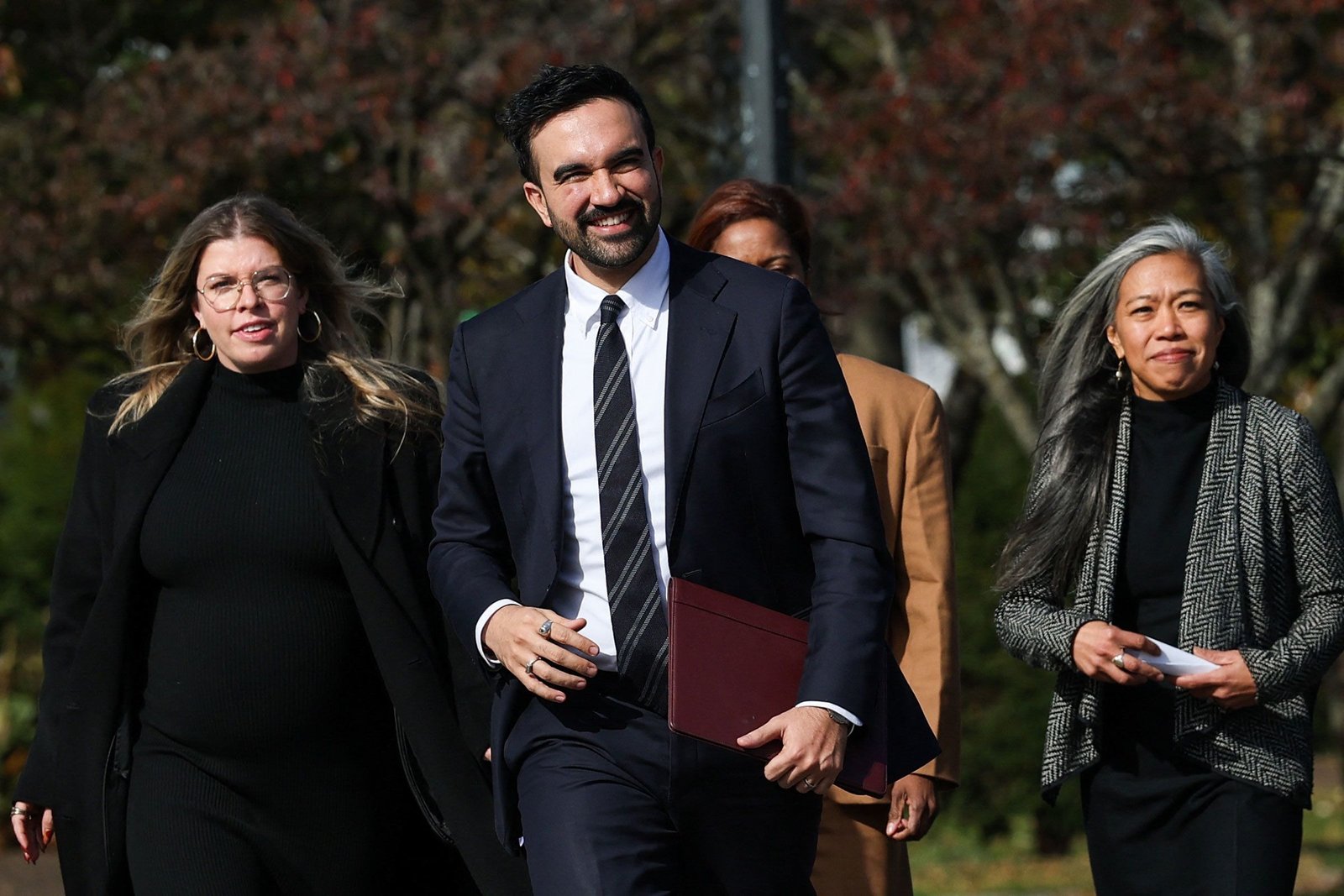
The meeting took place at the official residence of Malaysian Prime Minister Anwar Ibrahim, who is chairing the regional group ASEAN. Cambodian Prime Minister Hun Manet and Thai Acting Prime Minister Phumtham Wechayachai led the talks. U.S. and Chinese officials also attended as observers.
Fighting began last Thursday after a land mine explosion wounded five Thai soldiers. Both sides blame each other for starting the conflict. Since then, border crossings were closed by Thailand except for Cambodian migrant workers returning home. Both countries recalled their ambassadors amid rising tensions.
Gunfire continued Monday near Samrong in Cambodia’s Oddar Meanchey province. Reporters said clashes could be heard as dawn broke. Despite calls for peace, troops from both sides remained active in the area.
Malaysian Prime Minister Anwar Ibrahim stressed the urgency of an immediate ceasefire. “What is important is immediate ceasefire,” he said. “Although it’s not as bad as many other countries, we have to put a stop to the violence.”
The violence is rare among ASEAN members, a group known for promoting peace and economic cooperation in Southeast Asia. In a joint statement, ASEAN foreign ministers voiced concern over the deaths, damage, and displacement caused by the fighting. They urged both countries to solve their issues through talks and supported the ceasefire efforts.
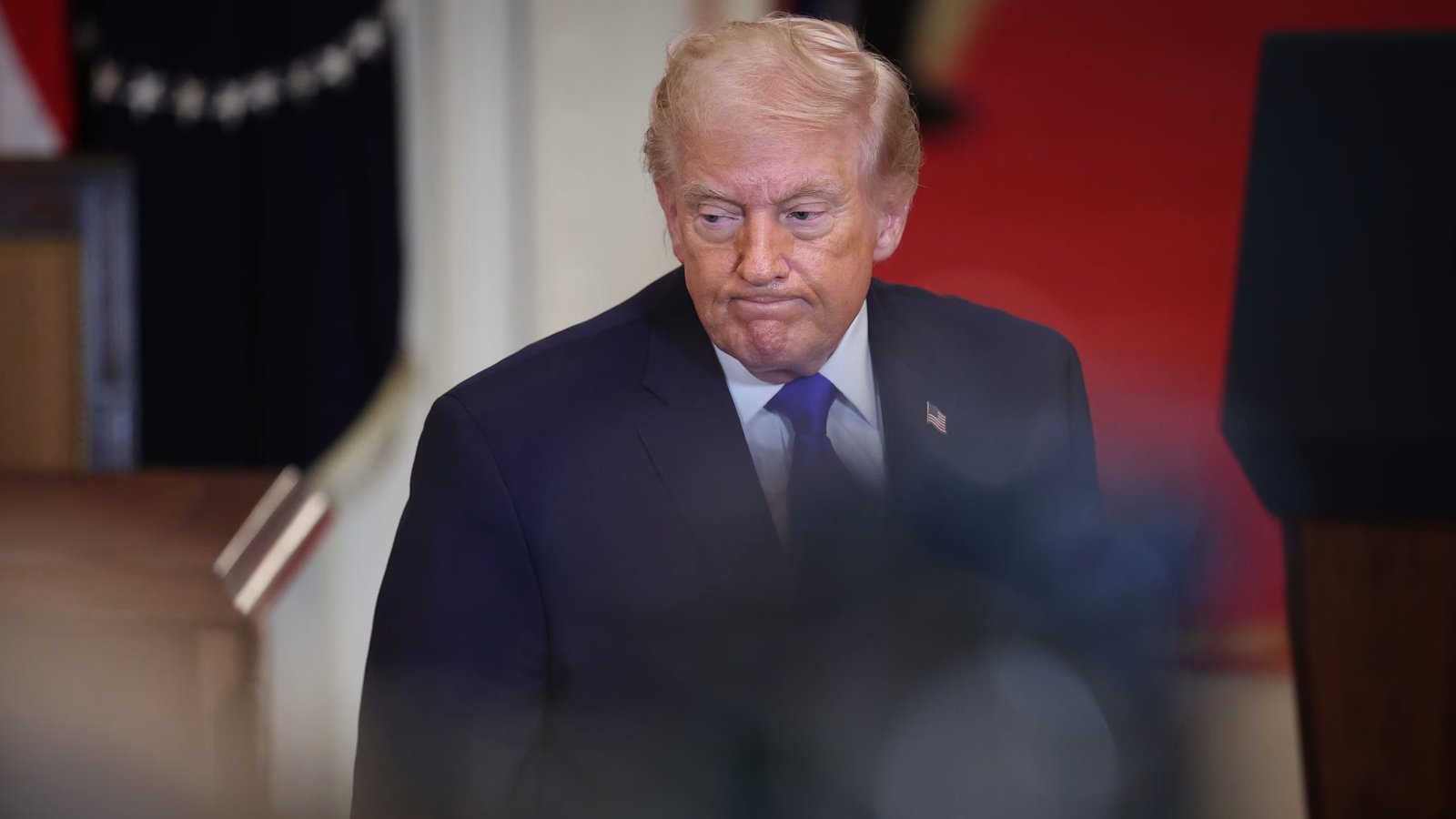
U.S. President Donald Trump also pressured both sides to stop fighting. He warned that ongoing violence could affect trade deals with the United States.
Before the meeting, Thailand’s Acting Prime Minister Phumtham Wechayachai said trust was a major challenge. Cambodia has not ceased attacks, making negotiations difficult. “We have informed that we don’t have trust in Cambodia. All they have done reflect that they are not sincere in solving this problem,” Phumtham said. He added Cambodia must prove its sincerity.
The border dispute dates back decades along the 800-kilometer (500-mile) frontier. While clashes have happened before, this current conflict is more severe and prolonged. It reignited tensions in May after a Cambodian soldier was killed in a border incident that also stirred political issues within Thailand.
The conflict has affected many civilians. Over 260,000 people have fled their homes on both sides. At an evacuation center in Cambodia’s Siem Reap province, 56-year-old Ron Mao shared her fears. She fled with her family when fighting broke out near their home just 1 kilometer from the front lines.
“I don’t want to see this war happen. It’s very difficult and I don’t want to run around like this,” she said. “When I heard our Prime Minister go to negotiate for peace, I would be very happy if they reached the deal as soon as possible, so that I and my children can return home.”
The conflict also drew attention from the Vatican. Pope Leo XIV said he prayed for all affected by war worldwide, including those caught in the Thailand-Cambodia clashes, especially children and displaced families.
As talks continue, hopes remain high that both countries will agree to end hostilities. The ASEAN-led meeting in Malaysia is a critical step to bring peace and stability back to the border region.