


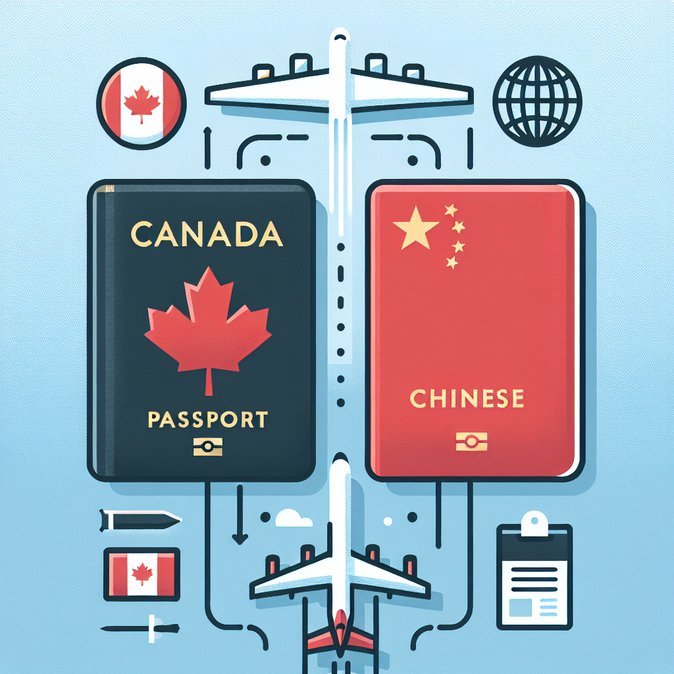
China is signaling a possible change that could make travel easier for Canadians, but the rule is not active yet. Beijing has hinted that Canadian passport holders may soon be allowed to enter China for up to 30 days without a visa. The idea is under discussion, but no formal decision has been announced.
The topic came up during talks in Beijing on January 16. Chinese President Xi Jinping met with Canadian Prime Minister Mark Carney. After the meeting, both sides told reporters that China is actively considering a unilateral visa-free policy for Canadians. The proposal would apply to holders of ordinary Canadian passports.
The following day, China’s foreign ministry repeated that the plan is being reviewed. However, the key agency that controls border entry has not issued any formal notice. Without this legal step, the policy cannot take effect.
China’s immigration system requires an official circular to activate new entry rules. Until that notice is published, border officers must follow the current law. This means Canadian citizens still need a valid visa before boarding a flight to China.
Airlines are enforcing the existing rules strictly. Check-in staff have been told not to allow Canadians to travel without a visa unless they qualify for limited exceptions. These include short transit stays of 24, 72, or 144 hours, or entry to Hainan island under special visa-free programs.
Travel managers and frequent travelers should not assume the waiver is active. Anyone arriving at the airport without a visa risks being denied boarding. For now, visa appointments and document checks remain necessary.
Processing times also remain unchanged. Most applications take several working days to complete. Companies planning urgent trips should still build in enough time to avoid delays or missed flights.
If approved, the policy would bring real benefits for business travel. A visa-free stay of 30 days could cut costs and save time for executives who travel often. Multi-entry visa fees and repeated paperwork would no longer be needed for short visits.
Canada plays an important role in trade with China. It is a major supplier of farm products and key minerals. Business travel between the two countries includes site inspections, audits, and partner meetings. These trips often happen on short notice.
Human resources teams would still need to update internal travel rules. A visa waiver would not allow work, study, or media activity. Visitors would also need to follow limits on length of stay and carry proof of funds and onward travel. These details will matter once the final rule is released.
The possible move also has diplomatic meaning. Relations between China and Canada have been tense for several years. Strains followed the 2018 arrest of a senior Chinese business executive in Canada and later security limits on Chinese technology.
China has recently expanded visa-free access as part of its post-pandemic reopening. More than 45 countries now enjoy short stays without a visa, usually for 15 to 30 days. Adding Canada would mark another step in that policy shift.
Canadian officials have not signaled any immediate plans to respond with similar access. Canada uses an electronic travel authorization system for most foreign visitors. This system is applied widely and is unlikely to be lifted soon.
For now, the situation remains unchanged. Travelers should wait for a clear announcement from China’s immigration authority before changing plans. Companies should keep existing visa processes in place.
Once the official notice appears, demand for travel may rise fast. Many executives have postponed visits while waiting for easier entry. A confirmed waiver could trigger a rush of last-minute trips.
Until then, the message is simple. The idea is moving forward, but the rule is not active. Canadians must still carry a valid visa to enter China.