



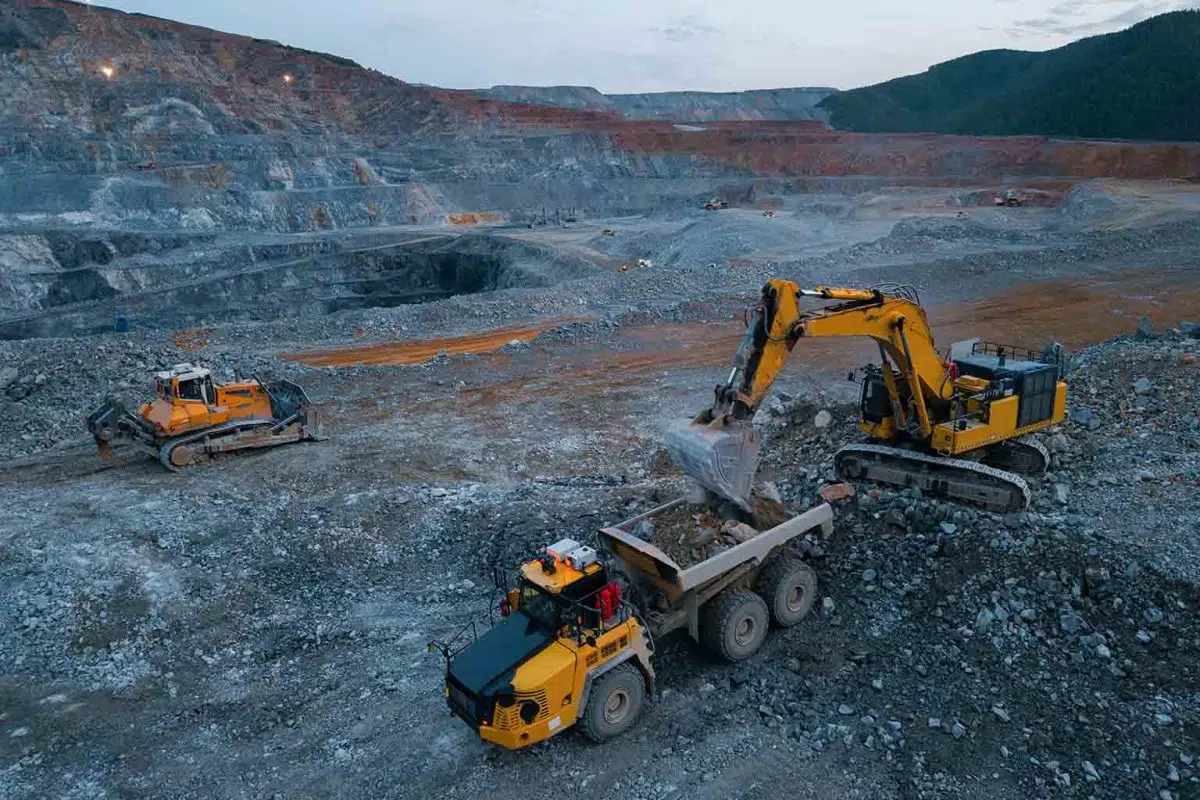
China has announced a massive copper discovery in the Qinghai-Tibet Plateau, a find that could reshape the global copper market. The new deposit, estimated at 20 million tonnes, is one of the largest in recent years and could reduce China’s reliance on imports.
The discovery, officially confirmed on January 6, 2025, by China’s Ministry of Natural Resources and the National Geological Bureau, represents a major shift in the world’s supply of copper. Analysts say the find could give China greater control over global trade and pricing in the copper sector.
China’s domestic industries, from electronics to renewable energy, may benefit from cheaper and more accessible copper. This could strengthen the country’s production capabilities and provide a strategic advantage in international markets. The discovery also comes at a time when demand for copper is rising due to the global push for green energy and electric vehicles.
Chile, long the world leader in copper production, now faces potential challenges. Copper exports have been a pillar of the Chilean economy for decades, supporting GDP and foreign trade. A sudden increase in global copper supply from China could lower prices, affecting profitability for Chilean mining companies, including the state-owned giant Codelco.
Economic analysts in Chile warn that the discovery could lead to reduced revenues and possible job losses in the mining sector. Some experts suggest that the Chilean government may need to consider policy adjustments, trade negotiations, or protective measures to counter the impact of increased global competition.
The ripple effects of China’s discovery extend beyond Chile. Countries heavily reliant on copper exports, such as Peru, may also face economic pressure. At the same time, industries worldwide could benefit from lower copper prices, potentially reducing costs for electronics, infrastructure projects, and renewable energy technologies.
Global organizations, including the International Copper Study Group and the World Bank, are closely monitoring the situation. The copper market is vital for multiple sectors, and shifts in supply and demand can affect global economic stability.
While the long-term effects remain uncertain, the discovery highlights China’s growing influence in the global mining sector. It also emphasizes the strategic importance of natural resources in international trade and economic planning.
Investors and governments alike are evaluating potential scenarios. Some anticipate increased competition, while others see opportunities for collaboration and new supply agreements. The discovery could trigger shifts in global alliances or spark negotiations over copper trade and pricing strategies.
China’s Qinghai-Tibet copper reserve represents not just a major economic asset but a potential game-changer in global resource distribution. It underscores the role of natural resources in shaping the geopolitical and economic landscape of the 21st century.
As markets adjust, the world watches closely. China’s copper discovery may mark the start of a new era in global mining, challenging long-established leaders and reshaping the industry for decades to come.