


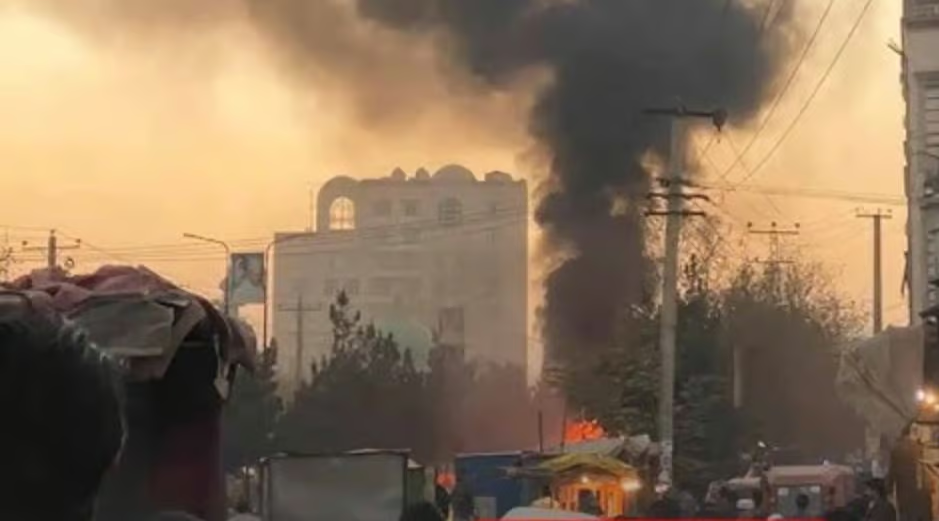
China has demanded that Afghanistan ensure the safety of Chinese citizens after a bombing in Kabul killed at least seven people, including a Chinese man. The explosion occurred at a Chinese Noodle restaurant in the Shahr-e-Naw area, a popular spot for Chinese Muslims, officials said.
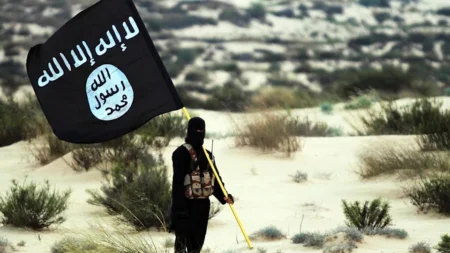
The blast, claimed by the regional branch of the Islamic State group, was reportedly a suicide attack targeting Chinese nationals, according to the SITE Intelligence Group. Afghan police confirmed six Afghan citizens also died in the attack, and five Chinese nationals were wounded.
China’s foreign ministry urged immediate action, calling on Afghan authorities to treat the injured and strengthen security measures for Chinese citizens. Spokesman Guo Jiakun warned that citizens and enterprises already in Afghanistan should enhance prevention measures and evacuate high-risk areas promptly.
China shares a 76-kilometre (47-mile) rugged border with Afghanistan and maintains close ties with the Taliban government. Beijing has emphasized the protection of its nationals amid rising security threats in Kabul and other urban centers.
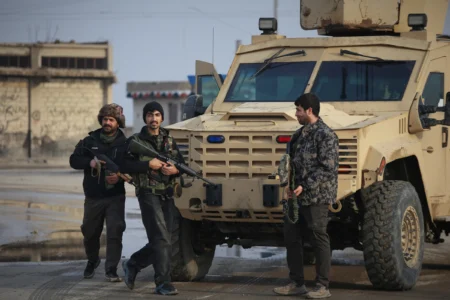
The Taliban government has pledged to restore security and protect foreign visitors. Officials are seeking to attract investors and maintain revenue as foreign aid dwindles, while continuing to assure China of its citizens’ safety.
Analysts note that Chinese business visitors have increased in Afghanistan since the Taliban regained power in 2021. The country’s strategic location and natural resources make it a key focus for foreign investment, particularly from China.
Security experts point out that attacks on Chinese nationals are not new. In 2022, the Islamic State claimed responsibility for a deadly attack on a Kabul hotel frequented by Chinese guests, highlighting ongoing risks to foreign visitors in Afghanistan.
The recent bombing underscores the persistent threat of terrorism in the region, particularly from groups like the Islamic State that target foreign nationals and local civilians alike. Authorities are closely monitoring high-risk areas to prevent further attacks.
China has also issued travel warnings, advising its citizens to avoid non-essential trips to Afghanistan. Business delegations and tourists are urged to remain vigilant and coordinate with local security teams while in the country.
Observers note that ensuring the safety of Chinese nationals is a priority for Beijing, given both economic ties and strategic interests in Afghanistan. Chinese companies are active in infrastructure, mining, and energy sectors, which makes security a critical concern.
The Taliban has responded by promising enhanced security measures, including tighter surveillance and rapid response units around foreign business centers and restaurants. Officials emphasized that protecting foreign nationals is vital for attracting investment and stabilizing the economy.
Human rights groups and regional analysts warn that attacks on civilians could threaten diplomatic and economic relations if security lapses continue. Protecting foreign nationals remains a top priority for governments navigating complex political and security challenges.
The attack comes amid broader efforts by the Taliban to demonstrate control and improve security conditions to win international legitimacy. China’s demand for safety measures highlights its growing influence and its insistence on responsible governance by Afghan authorities.
Chinese officials stressed that while Afghanistan remains a site of economic opportunity, citizens must exercise caution. Evacuating high-risk areas and adhering to security guidance are key steps to minimize exposure to potential attacks.
The Kabul bombing serves as a stark reminder of ongoing risks in Afghanistan. Authorities and foreign governments continue to emphasize preventive security measures, rapid emergency responses, and international cooperation to protect citizens and maintain stability.