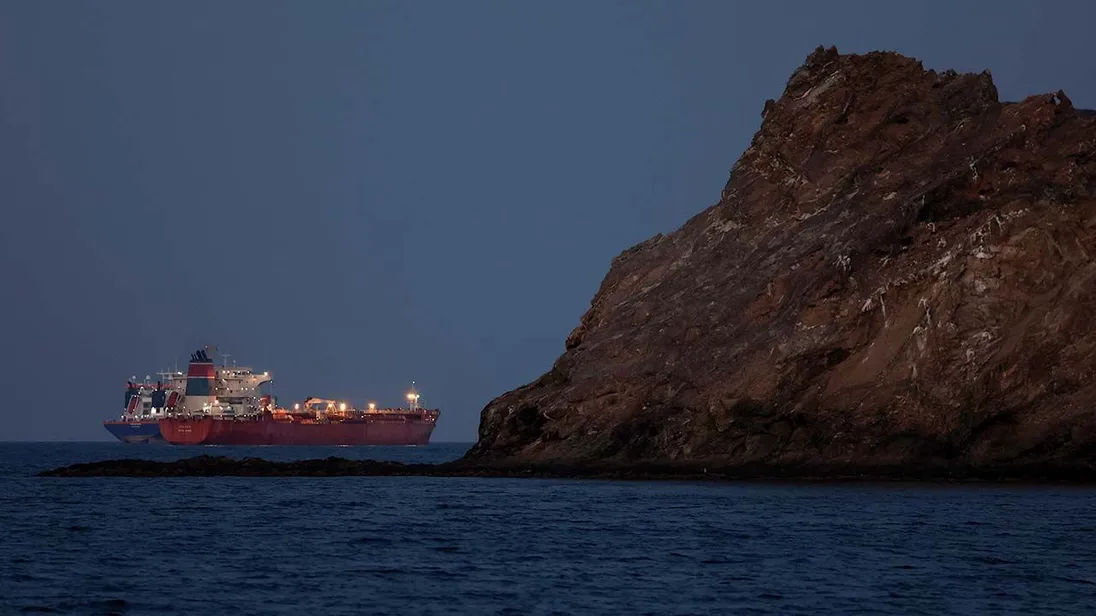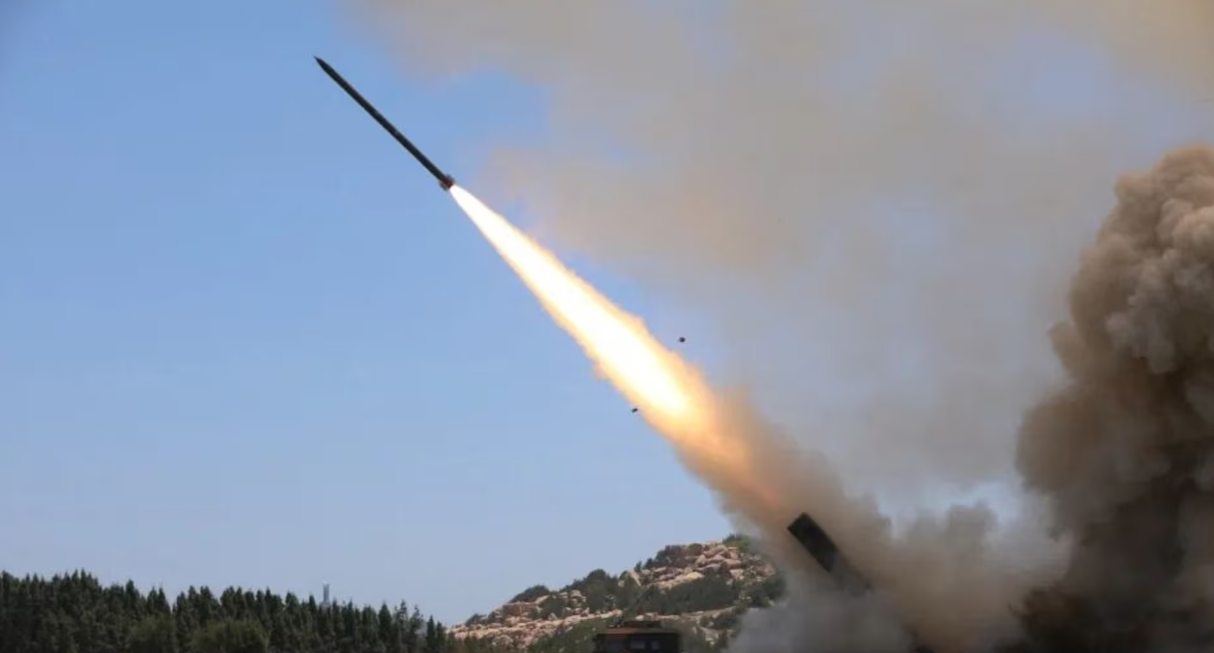
China has begun a large-scale military drill near Taiwan, signaling heightened tensions in the region following U.S. arms sales to the island. The exercise, named “Justice Mission 2025,” involves rockets, warships, bombers, drones, and amphibious assault craft deployed around Taiwan’s northern and southern coasts.
The People’s Liberation Army (PLA) mobilized naval and air units early Monday to surround Taiwan from multiple directions. The drill also involves Chinese Coast Guard patrols in nearby waters, testing coordinated maritime and aerial operations, precision targeting, and strike capabilities. PLA officials described the exercise as a necessary measure to safeguard China’s sovereignty and national unity.
“Justice Mission 2025 is a stern warning to separatist forces in Taiwan and foreign interference,” said Colonel Shi, spokesperson for the PLA Eastern Theater Command. The PLA has framed the exercise as a lawful response to actions they consider threatening to China’s territorial integrity.
The military drill comes shortly after the U.S. announced a record $11.01 billion arms package for Taiwan, the largest to date. Beijing views this move as provocative, while Taipei describes China’s actions as a serious escalation that undermines regional peace and stability.
Taiwanese military forces remain on high alert to respond to any potential attack. The island has also received support assurances from Japan, which has pledged to assist Taiwan in the event of military aggression.
The PLA’s drill is reportedly the closest China has conducted near Taiwan in recent years. It includes the deployment of destroyers, frigates, bombers, drones, and long-range missiles. Analysts say the exercise demonstrates China’s growing capability to coordinate complex naval and air operations while projecting power near Taiwan’s coastline.
Taiwan’s Coast Guard has warned that the drill poses a serious threat to normal maritime operations, including fishing and commercial shipping. In response, Taiwan has conducted its own preparatory exercises to strengthen defense readiness.
The situation reflects a broader regional tension. U.S. arms sales and China’s assertive military posturing increase the risk of confrontation, prompting heightened alert across East Asia. Observers note that the PLA’s actions may serve both as a deterrent and as a demonstration of military capability in disputed waters.
While Beijing emphasizes sovereignty and national unity, Taipei criticizes the drill as an attempt to intimidate and disrupt regional stability. The escalation around Taiwan highlights the delicate balance in cross-strait relations, where military displays intersect with international diplomacy.
Experts say “Justice Mission 2025” also allows China to test operational readiness, including amphibious assault drills and long-range strike capabilities, near Taiwan for the first time at this scale. This marks a new level of PLA presence and influence in the area, further complicating security dynamics in the Taiwan Strait.
As regional tensions rise, all parties are closely watching the situation. The U.S., Japan, and other neighboring nations continue to monitor the PLA exercises and assess potential impacts on maritime safety, freedom of navigation, and broader security concerns.
China Taiwan military drill underscores the growing strategic competition in East Asia, showing how arms sales, military exercises, and regional alliances shape the geopolitical landscape.