
Bangladesh’s center-right Bangladesh Nationalist Party secured a decisive victory in the country’s first election since the 2024 Gen Z-led uprising that toppled the previous government.
According to Daljoog News analysis, the win underlines the public’s desire for stability and signals potential shifts in both domestic governance and foreign policy, particularly in relations with neighboring India.
The election comes at a moment of regional recalibration. With a new administration in Dhaka, analysts expect a re-evaluation of economic partnerships, trade agreements, and diplomatic protocols that were strained under the former pro-Indian government.
What Happened?
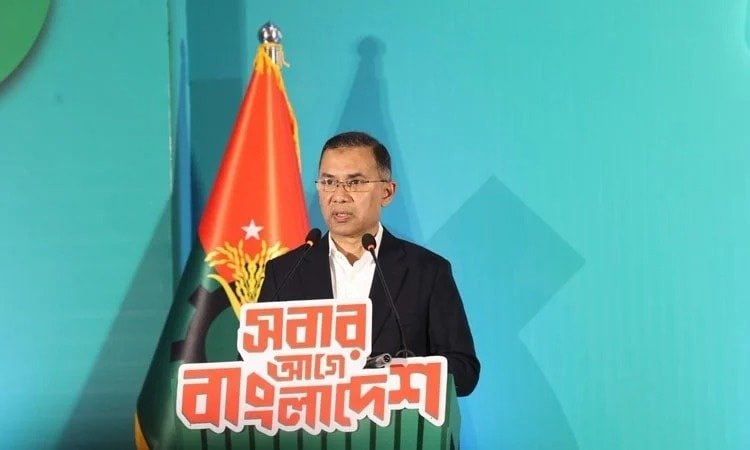
Tarique Rahman, who returned from exile after more than a decade, now leads the Bangladesh Nationalist Party (BNP) with a clear parliamentary majority. Rahman had fled Bangladesh in 2008 following corruption allegations and spent years building political support abroad.
The BNP had remained largely in opposition over the past decade, while Dhaka’s policies were closely aligned with New Delhi. Rahman’s return marks a shift toward a domestic mandate focused on political and economic consolidation.
Reports indicate that Indian Prime Minister Narendra Modi was invited to Rahman’s swearing-in ceremony, highlighting the potential for early diplomatic engagement between the two neighbors.
Why This Matters
Analysts suggest the BNP’s victory could reset bilateral relations with India. Previous tensions arose from the prior pro-Indian government’s policies, which critics said overly favored New Delhi and created domestic friction in Dhaka.
A renewed Bangladesh government may seek a more balanced approach, emphasizing national sovereignty while cautiously engaging with regional partners. Economic cooperation, border management, and trade negotiations could see adjustments to reflect the new administration’s priorities.
The political reset could also impact regional stability in South Asia, as India monitors developments in Dhaka closely, and other neighbors evaluate potential shifts in policy direction.
What Analysts or Officials Are Saying
Political observers describe Rahman’s return as a turning point, giving him a mandate to restore political order and economic stability. Analysts at regional think tanks note that a pragmatic foreign policy approach could open the door to recalibrated engagement with India without reversing gains made in trade or security cooperation.
Some experts caution that despite early invitations and diplomatic gestures, substantive policy shifts may take months, as the new administration consolidates power and forms committees to review international agreements.
Daljoog News Analysis
Daljoog News assesses that Bangladesh’s political reset is likely to combine domestic consolidation with cautious diplomacy. The BNP’s leadership appears intent on signaling a willingness to engage with India while asserting autonomy in foreign policy decisions.
This approach could reduce friction and foster a more balanced partnership, particularly on trade, energy, and border security. However, early outreach will need to be backed by tangible agreements to reassure New Delhi of continuity in bilateral cooperation.
What Happens Next
Observers will watch whether Prime Minister Modi attends the swearing-in and how subsequent high-level meetings unfold.
Trade negotiations, energy agreements, and cross-border security initiatives may be revisited under the new administration.
The coming months will reveal whether Bangladesh can leverage its political mandate to strengthen domestic stability while recalibrating its relationship with India constructively and strategically.