


Negotiations between the United States and Iran have entered a critical phase after an extended eight-hour meeting in Pakistan, marking one of the longest direct engagements between the two sides in recent years. Early indications suggest cautious progress, though major differences remain unresolved.
According to Daljoog News analysis, the duration of the talks alone signals a willingness from both sides to stay engaged despite deep divisions. However, the complexity of issues on the table continues to slow meaningful breakthroughs.
The meeting comes at a sensitive moment for regional stability, with tensions in key areas like the Strait of Hormuz adding urgency to diplomatic efforts and raising the stakes for all parties involved.
What Happened?
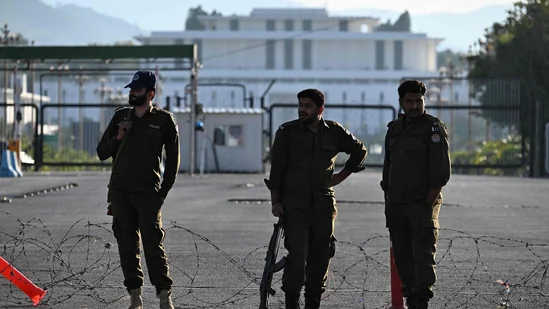
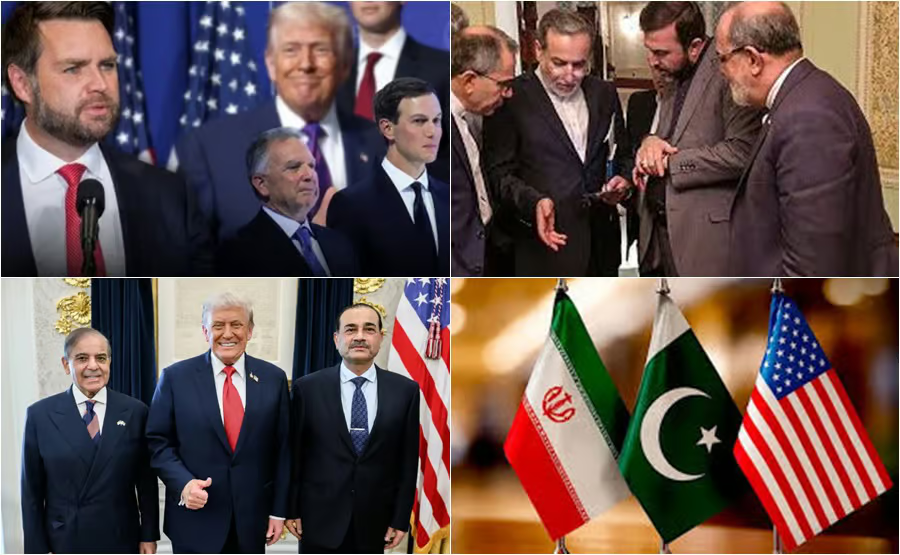
Officials from the United States and Iran held marathon discussions in Islamabad, facilitated by Pakistan, in an effort to ease tensions and explore possible agreements. The session lasted approximately eight hours, making it one of the lengthiest rounds of dialogue between the two sides.
Sources familiar with the talks indicate that while no final agreement has been reached, there has been measurable, if limited, progress. The discussions covered a wide range of issues, including regional security, diplomatic relations, and economic concerns.
Confidence-building measures were also part of the agenda. Pakistan has played an active role in encouraging both sides to show flexibility and maintain open channels of communication.
Despite these efforts, Iranian sources suggest that Washington has yet to show sufficient compromise on several key issues. This perceived rigidity has slowed the pace of negotiations and kept critical disagreements unresolved.
Why This Matters
The extended duration of the talks reflects both urgency and difficulty. Diplomatic engagements of this length often indicate that negotiators are grappling with complex, high-stakes issues that cannot be resolved quickly.
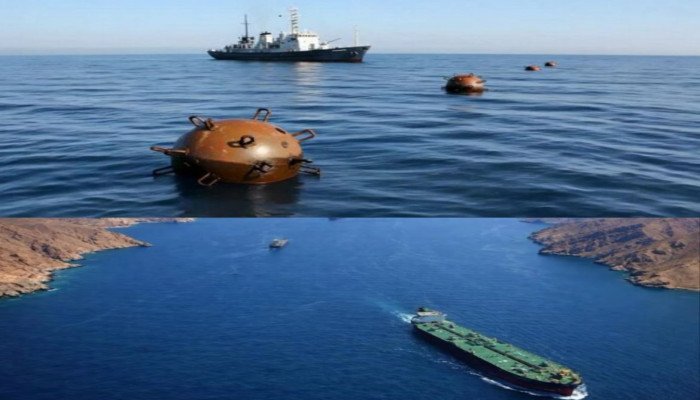
One of the most sensitive topics remains the Strait of Hormuz, a vital maritime route for global energy supplies. Iran views the US position on this issue as particularly firm, limiting the room for compromise.
At the same time, the talks are not limited to a single issue. The combination of security concerns, economic pressures, and nuclear-related discussions has made the process more complicated and time-consuming.
Even modest progress could have significant implications. Agreements on maritime security or de-escalation measures could help stabilize global energy markets and reduce the risk of further confrontation.
What Analysts or Officials Are Saying
Diplomatic observers note that long, closed-door meetings often produce more substantive outcomes than highly public negotiations. The absence of immediate announcements does not necessarily mean a lack of progress.
Some analysts believe the current phase of talks is focused on narrowing differences rather than reaching final agreements. This approach allows both sides to test possible compromises without public pressure.
Officials close to the process indicate that confidence-building steps are under discussion. These could include extending ceasefire arrangements, ensuring safe passage through critical waterways, or revisiting aspects of Iran’s nuclear program.
At the same time, skepticism remains. Experts caution that without greater flexibility from both sides, the talks could stall despite the initial signs of movement.
Daljoog News Analysis
The eight-hour meeting reflects a shift in tone but not yet a breakthrough in substance. Both Washington and Tehran appear committed to continuing dialogue, yet neither side is ready to make the concessions needed for a comprehensive agreement.
Pakistan’s role as mediator has become increasingly important. By maintaining a neutral platform and encouraging dialogue, Islamabad has helped prevent a complete diplomatic breakdown. However, mediation alone cannot resolve fundamental disagreements.
The focus on the Strait of Hormuz highlights the strategic stakes. Control and security of this waterway remain central to both economic and military calculations. Any compromise here will require careful balancing of national interests.
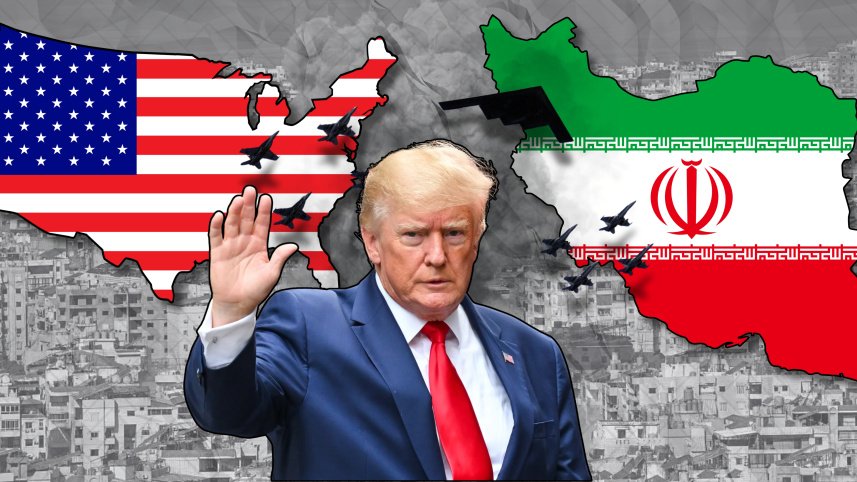
There is also a broader dynamic at play. These talks are not just about immediate tensions but about shaping future engagement between the United States and Iran. The outcome could influence regional alliances, energy markets, and global security policies.
What Happens Next
Negotiations are expected to continue, with additional sessions likely in the coming days. A press briefing from the venue in Islamabad may provide limited updates, though key details are expected to remain confidential.
Diplomats will likely focus on areas where incremental progress is possible. These may include extending ceasefire arrangements or agreeing on mechanisms to reduce risks in the Strait of Hormuz.
Markets and regional governments will be watching closely for any signs of breakthrough or breakdown. Even small developments could influence oil prices and regional stability.
In the longer term, the success of these talks will depend on whether both sides are willing to move beyond entrenched positions. For now, the extended dialogue offers cautious optimism, but the path to a lasting agreement remains uncertain.