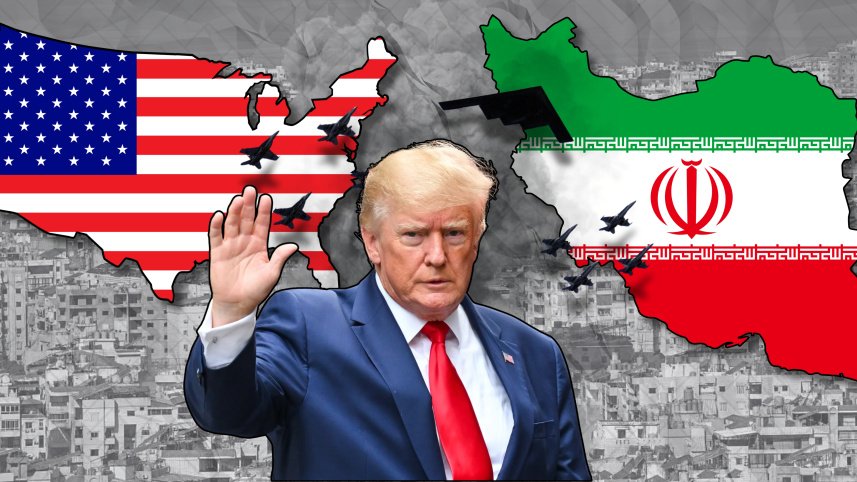


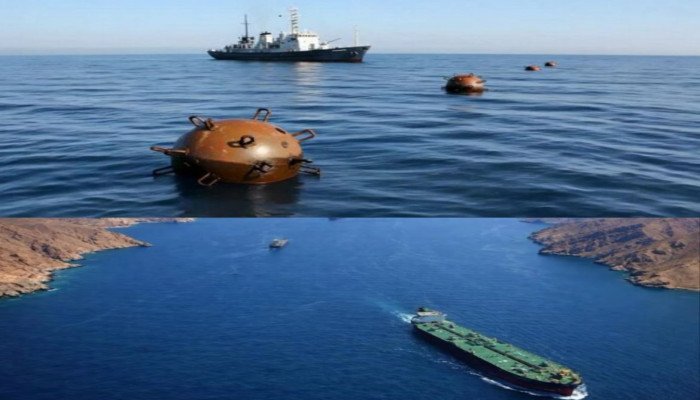
High-stakes talks between the United States and Iran are set to begin in Pakistan within hours. Still, new intelligence surrounding the Strait of Hormuz has cast uncertainty over the negotiations. Reports suggest that naval mines placed in the strategic waterway may now be unaccounted for, raising fears of prolonged disruption.
According to Daljoog News analysis, the emergence of this issue just before diplomatic engagement is unlikely to be accidental. It adds immediate pressure on both sides and introduces a volatile security dimension that could weaken fragile trust.
The Strait of Hormuz remains one of the world’s most critical energy chokepoints. Any instability there affects global oil markets, shipping routes, and economic planning far beyond the Middle East.
What Happened?
Recent reports indicate that Iran may have deployed naval mines across the Strait of Hormuz using small boats during a period of rising tensions earlier this year. The operation appears to have been carried out quickly, which has created a major problem—there is no clear record of where all the mines are located.
Some of the devices may have drifted due to strong underwater currents. That possibility has made navigation increasingly risky for commercial ships and military vessels alike. The uncertainty has become as dangerous as the mines themselves.
Shipping activity through the strait has already slowed. Energy shipments faced delays as operators reassessed risks and insurance costs climbed. The disruption contributed to a noticeable jump in global oil prices, reflecting fears of a longer-term supply squeeze.
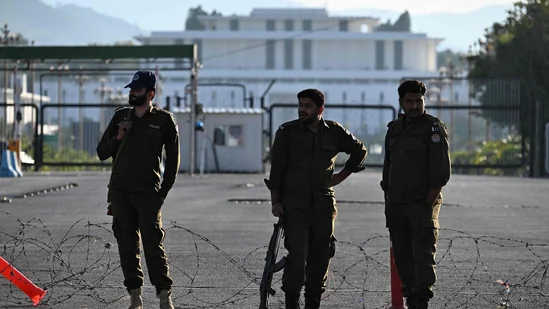
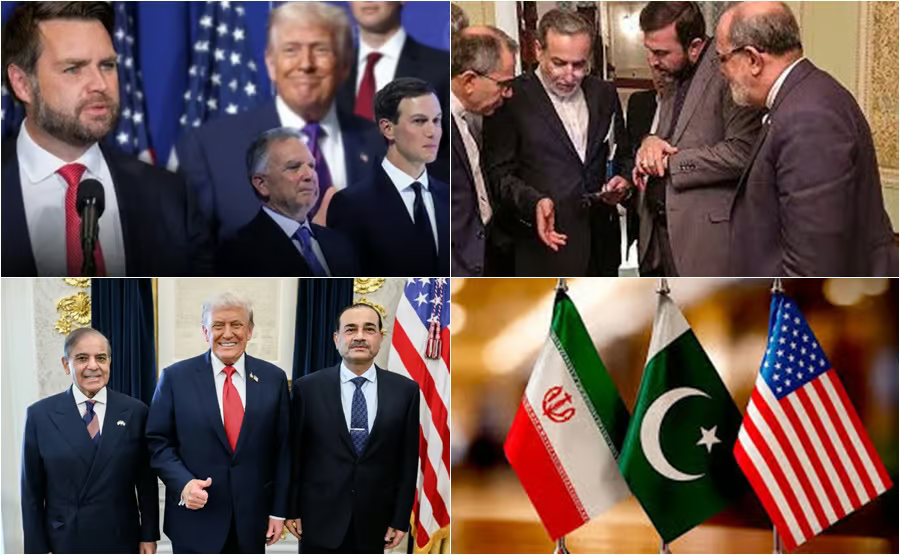
Pakistan is now preparing to host talks between US and Iranian officials in Islamabad. The goal is to reduce tensions and explore a possible path forward. However, the mine issue has emerged as a major complication just hours before discussions begin.
Why This Matters
The Strait of Hormuz handles a significant share of the world’s oil exports. Even limited disruptions can ripple across global markets within days.
The presence of untracked naval mines increases the risk of accidents, miscalculations, and escalation. A single incident involving a commercial tanker could trigger a wider crisis.
Clearing underwater mines is not simple. It requires specialized ships, trained crews, and advanced detection systems. If Iran lacks full control over the situation, the risk could remain for an extended period.
Shipping companies do not wait for confirmation of danger. The mere possibility of mines forces rerouting decisions. This hesitation alone can tighten supply and drive up prices worldwide.
What Analysts or Officials Are Saying
Security experts believe the timing of these revelations adds pressure to already sensitive negotiations. Introducing a maritime threat at this stage complicates efforts to build trust between both sides.
Some analysts suggest the mines may have been deployed as a strategic signal during earlier periods of tension. However, the lack of proper tracking now raises concerns about unintended consequences.
Military specialists point out that mine-clearing operations are typically handled by dedicated naval units. These operations can take time and often require international coordination. Without such support, the process becomes slower and riskier.
Regional officials have taken a cautious tone. They acknowledge the seriousness of the situation but appear to favor diplomatic solutions over immediate escalation.
Daljoog News Analysis
The sudden focus on naval mines shifts the balance of the upcoming talks. It forces both sides to deal with an urgent security risk alongside broader political disagreements.
Iran faces a difficult calculation. Admitting the scale of the problem could expose operational weaknesses. Ignoring it could damage credibility and increase pressure from the international community.
For the United States, the situation strengthens its argument for immediate de-escalation measures. It also provides leverage to push for concrete actions on maritime security as part of any agreement.
Pakistan’s mediation effort now carries higher stakes. Facilitating dialogue is challenging on its own, but adding a live security concern makes success far less certain. The talks will test whether diplomacy can still function under pressure.
This development highlights how quickly regional actions can become global concerns. A localized military decision has now evolved into a broader economic and diplomatic challenge.
What Happens Next
The discussions in Islamabad are expected to address the mine issue early. Both sides may consider technical cooperation to assess and reduce the threat in the waterway.
There could be calls for joint or third-party involvement in mine-clearing operations. Such steps would help rebuild confidence and reduce immediate risks to shipping.
Global markets will closely monitor any signals from the talks. Clear progress could stabilize oil prices, while continued uncertainty may keep volatility high.
In the longer term, this crisis may push regional powers to revisit maritime security agreements. Protecting critical trade routes like the Strait of Hormuz could become a central focus of future negotiations.
The coming days will be crucial. Whether diplomacy can overcome this new complication will shape not only regional stability but also the direction of global energy markets.