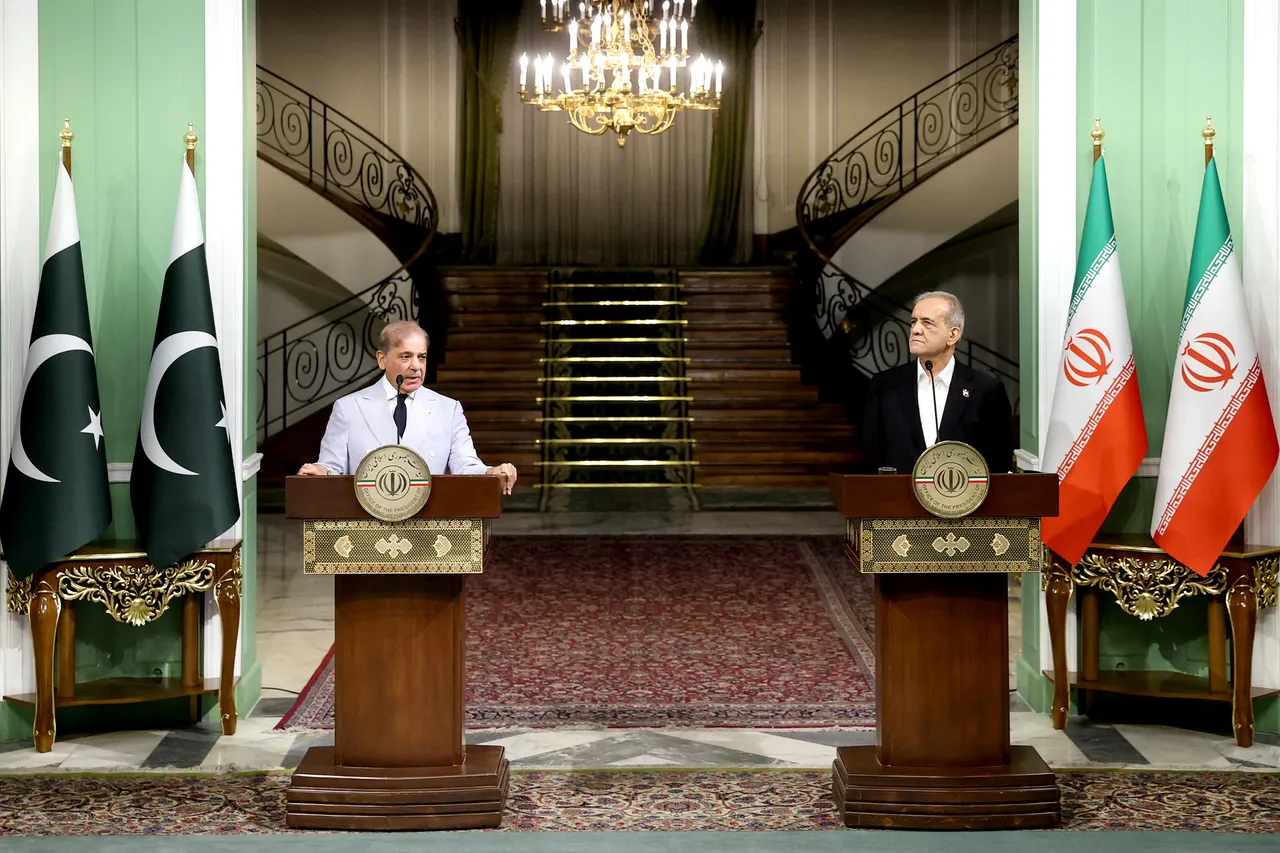



Iran and the United States are scheduled to meet in Oman on Friday for renewed discussions over Tehran’s nuclear program. The talks come months after Israel launched a 12-day conflict against Iran and after Iran’s authorities carried out a deadly crackdown on nationwide protests.
According to Daljoog News analysis, these negotiations are taking place amid heightened regional tensions and a backdrop of diplomatic uncertainty, as both Washington and Tehran weigh military and economic pressures alongside potential engagement.
The outcome could shape nuclear policy in the Middle East and test the limits of U.S.-Iran diplomacy, which has oscillated between confrontation and negotiation since the 1979 Islamic Revolution.
What Happened
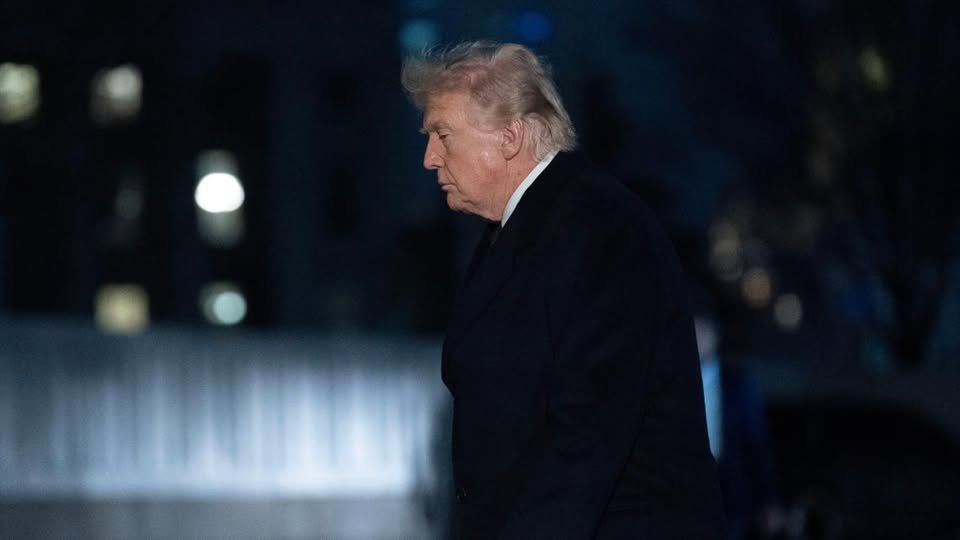
U.S. President Donald Trump has maintained pressure on Iran, warning of potential military action if Tehran continues violent crackdowns or executes protesters. He has also reintroduced Iran’s nuclear program as a key diplomatic focus, following disruptions caused by the June Israeli conflict that halted five rounds of talks held in Rome and Muscat last year.
Trump initiated the latest round of diplomacy by sending a letter to Iran’s 86-year-old Supreme Leader Ayatollah Ali Khamenei in March 2025, urging negotiations while warning of the risks of military escalation. Khamenei has countered with threats of retaliation if Iran is attacked.
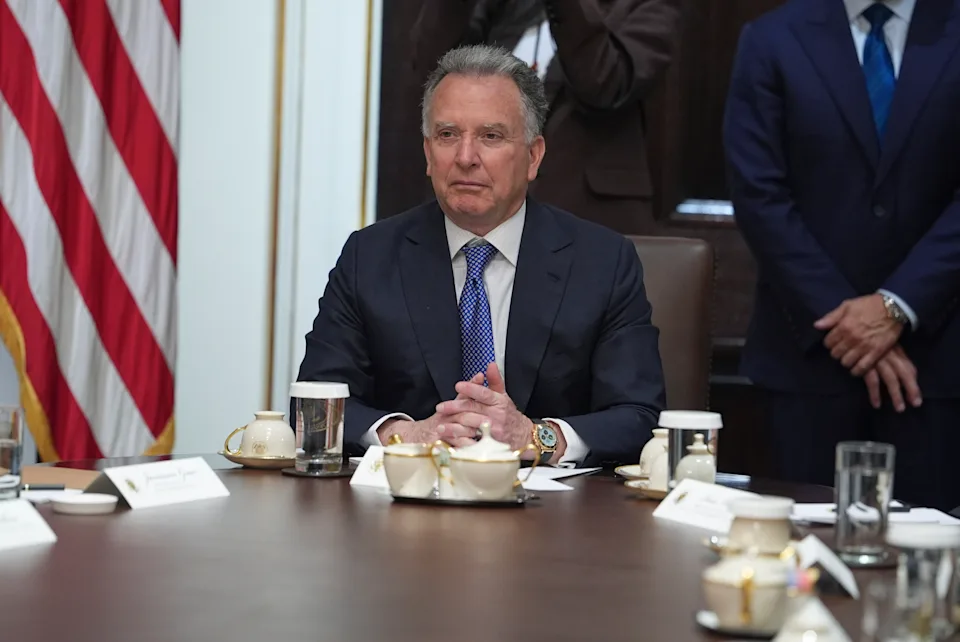
Oman, a sultanate on the Arabian Peninsula’s eastern edge, has facilitated prior meetings between Iranian Foreign Minister Abbas Araghchi and U.S. Mideast envoy Steve Witkoff. These face-to-face talks are rare given the long-standing hostility between the two nations.
Why This Matters
The talks are complicated by differing positions on uranium enrichment. Past comments by Witkoff suggesting 3.67% enrichment—a figure allowed under the 2015 nuclear deal—sparked tension, as the Trump administration now insists Iran cannot enrich uranium under any new agreement. Tehran has refused to accept this limitation.
The June 12-day war, during which Israel and the U.S. targeted Iranian nuclear sites, intensified the crisis. Iran halted uranium enrichment temporarily, but International Atomic Energy Agency inspectors have been unable to assess the bombed sites. Meanwhile, nationwide protests erupted over economic collapse, prompting violent crackdowns that left thousands dead or detained.
What Analysts or Officials Are Saying
Iran maintains that its nuclear program is peaceful, but has enriched uranium to near weapons-grade levels of 60%—unprecedented among countries without a nuclear weapons program. U.S. intelligence assesses that while Iran has not begun a weapons program, it has undertaken activities that could facilitate a nuclear device in the future.
Experts note that these talks are shaped by decades of fraught U.S.-Iran relations, from close cooperation under Shah Mohammad Reza Pahlavi to the severing of ties following the 1979 Islamic Revolution and hostage crisis. Tensions escalated during the Iran-Iraq War and have continued through U.S. involvement in regional conflicts.
Daljoog News Analysis
The upcoming talks in Oman illustrate the delicate balance of diplomacy and deterrence. Both countries are signaling readiness to negotiate while retaining the option of military or economic pressure.
Daljoog News assesses that the situation is further complicated by Israel’s military operations, Iran’s domestic unrest, and the broader geopolitical stakes in the Middle East. Success in Oman could stabilize a volatile region, but failure risks reinforcing decades of mistrust.
What Happens Next
Officials from both sides will meet to explore pathways for limiting nuclear activity while addressing security concerns. The talks are likely to involve intense negotiations over uranium enrichment levels, inspections, and compliance guarantees.
Observers will watch closely for any signs of progress or setbacks, as the outcome will have implications not only for Iran and the U.S. but also for Israel, Gulf states, and global nuclear diplomacy.