

Amid escalating attacks between Iran and Israel, the Middle East remains on high alert, with no immediate end to hostilities in sight. Neighboring countries continue to feel the humanitarian and economic fallout as the conflict enters its second month.
According to Daljoog News analysis, Islamabad is emerging as a pivotal hub for diplomatic coordination, bringing together regional powers to explore dialogue-based solutions and prevent further escalation.
The talks also highlight the broader urgency for a multilateral approach, with global economic stability and regional peace both at stake as international actors weigh their next steps.
What Happened?
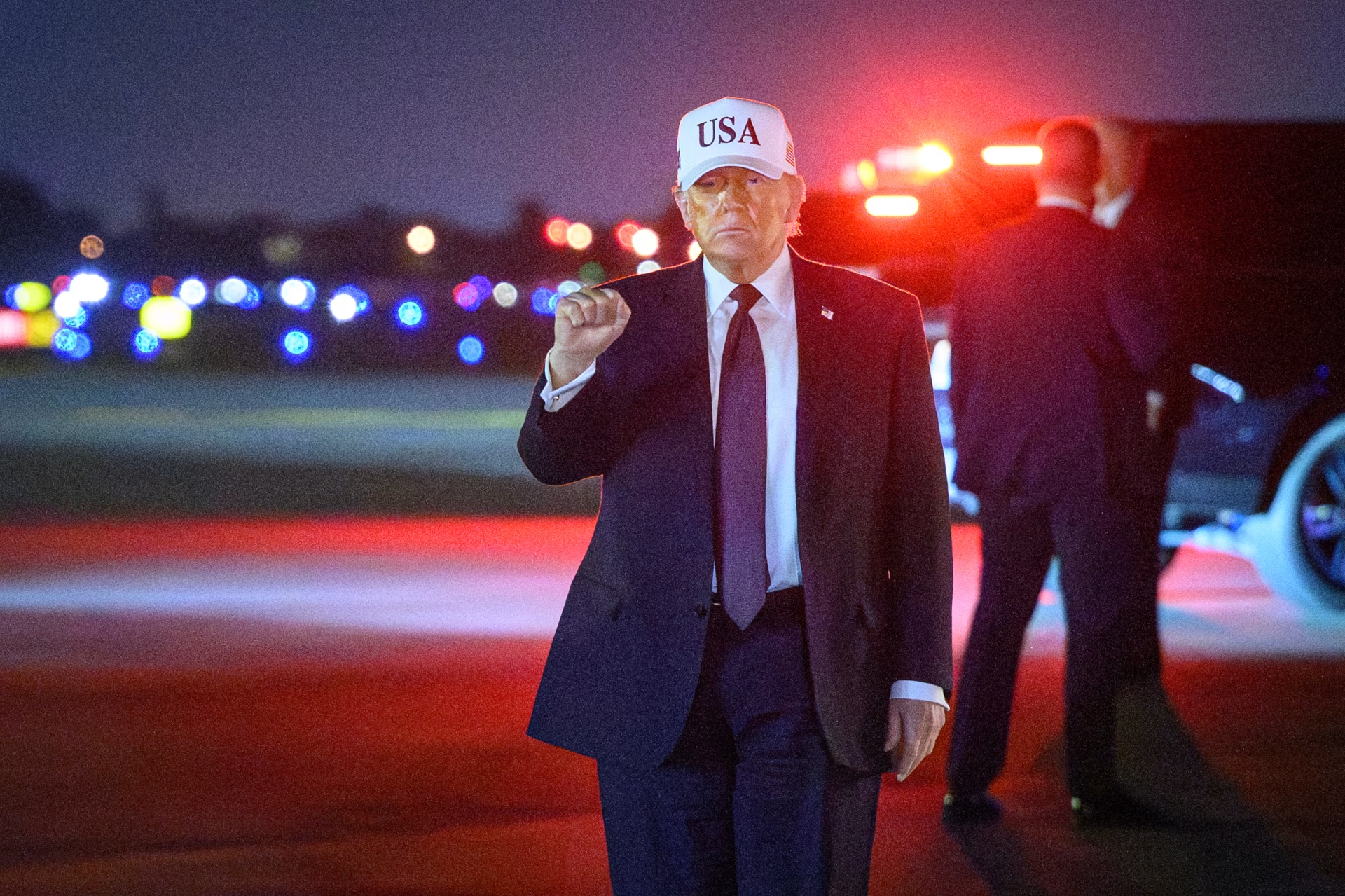
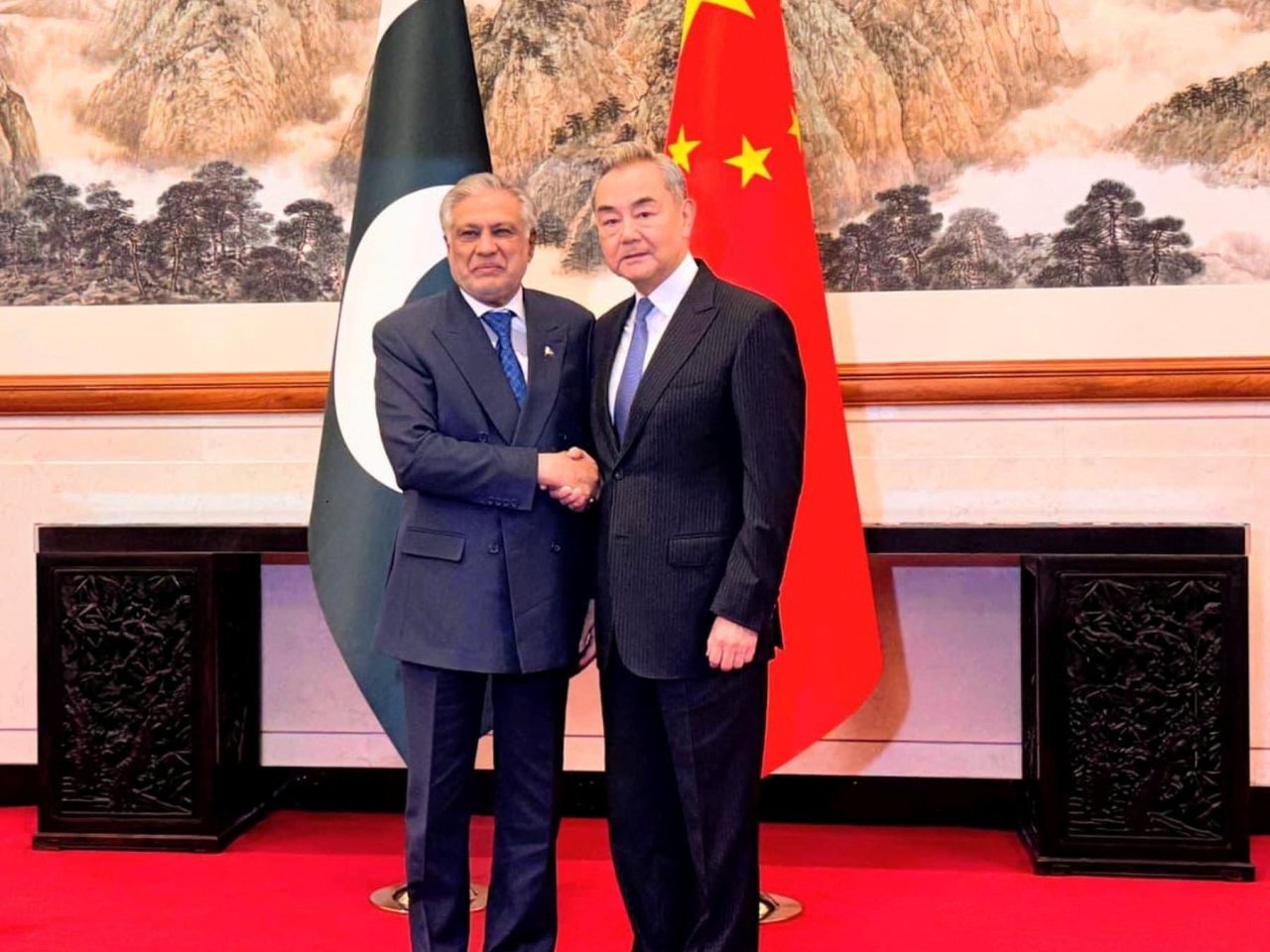
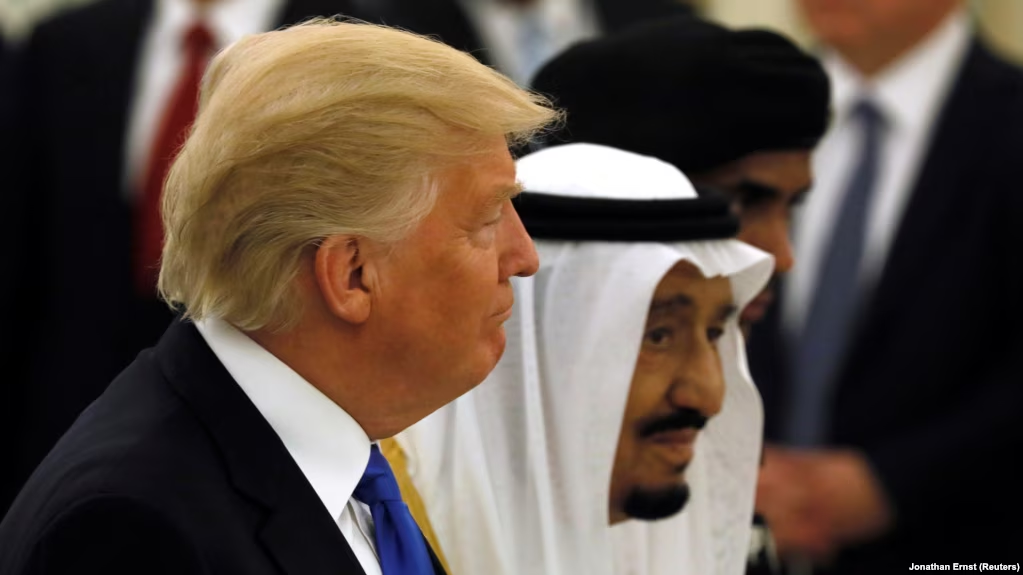
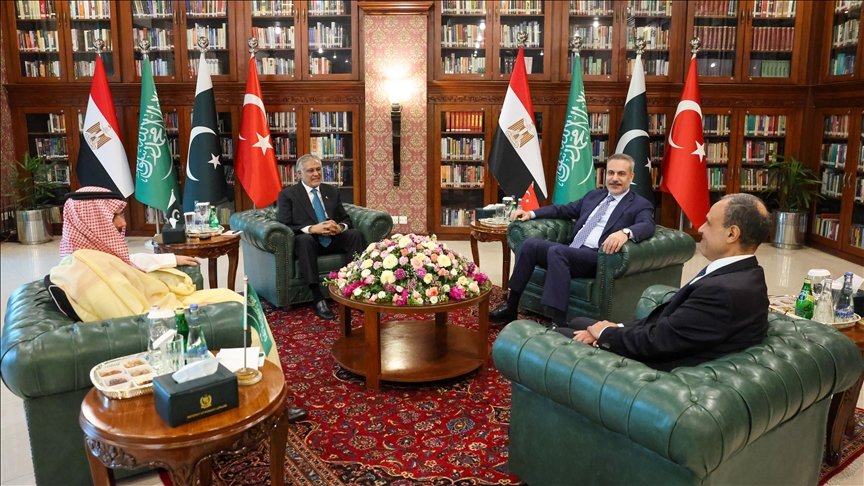
On Sunday, Islamabad hosted a high-level, two-day diplomatic meeting involving the foreign ministers of Pakistan, Saudi Arabia, Turkey, and Egypt. The purpose was to coordinate efforts to reduce tensions between Iran and the United States and to explore mechanisms for dialogue and ceasefire.
Following the emergency discussions, Muslim world leaders departed Islamabad on Monday, according to reports by Al Jazeera. Pakistan’s Foreign Minister and Deputy Prime Minister Ishaq Dar emphasized that diplomacy and dialogue remain the only effective means to resolve the crisis.
A joint statement released after the talks called for an immediate halt to hostilities and highlighted the importance of Muslim world unity. The statement also supported structured discussions between Washington and Tehran as a pathway to de-escalation.
Why This Matters
The four-nation talks underscore Pakistan’s growing role as a regional mediator. By hosting and facilitating dialogue, Islamabad positions itself as a constructive force capable of bridging gaps between key regional and global powers.
The conflict’s continuation has already affected trade, energy markets, and the livelihoods of millions in neighboring countries. Coordinated diplomatic efforts are therefore critical not only to prevent further human suffering but also to stabilize the regional economy.
Furthermore, formal support for U.S.-Iran discussions signals a willingness among influential Muslim-majority nations to act as intermediaries, potentially providing a neutral platform for negotiations that could reduce miscalculations and curb escalation.
What Analysts or Officials Are Saying
Analysts view the Islamabad talks as a strategic step in creating a regional consensus for peace. The involvement of Saudi Arabia, Turkey, and Egypt indicates that influential players are keen to maintain stability and prevent the conflict from spilling over into neighboring states.
Officials suggest that Pakistan’s active mediation could provide the diplomatic momentum needed to convene direct talks between Washington and Tehran. Regional diplomats also see the engagement as reinforcing Muslim world unity while signaling that unilateral military escalation will be closely scrutinized.
Observers note that backing from major Muslim countries may strengthen the leverage of both parties at the negotiation table, increasing the likelihood of meaningful dialogue rather than prolonged confrontation.
Daljoog News Analysis
The Islamabad meeting reflects Pakistan’s commitment to regional stability and proactive diplomacy. By uniting these four influential countries, Islamabad is effectively creating a framework for multilateral engagement that could serve as a model for conflict resolution in other flashpoints.
This initiative also demonstrates a balance of diplomacy and strategic messaging. Pakistan, while remaining neutral in the Iran-US confrontation, is asserting its role as a facilitator, emphasizing dialogue and peaceful resolution rather than escalation.
The talks reinforce the importance of regional actors in mitigating global conflicts. They illustrate that even amid high-stakes confrontation, diplomatic channels can open pathways to de-escalation and help prevent wider humanitarian and economic consequences.
What Happens Next
Following the Islamabad summit, attention now turns to arranging potential direct negotiations between the United States and Iran, potentially hosted by Pakistan. The initiative enjoys preliminary support from the ministers involved and could set the stage for structured dialogue.
Meanwhile, Pakistan’s leadership has committed to coordinating with Turkey, Saudi Arabia, and Egypt to maintain momentum and ensure that diplomatic channels remain open.
The coming weeks will likely determine whether these talks can translate into a practical roadmap for halting hostilities. The success of Islamabad’s initiative could influence regional stability, global economic confidence, and the future trajectory of U.S.-Iran relations.