

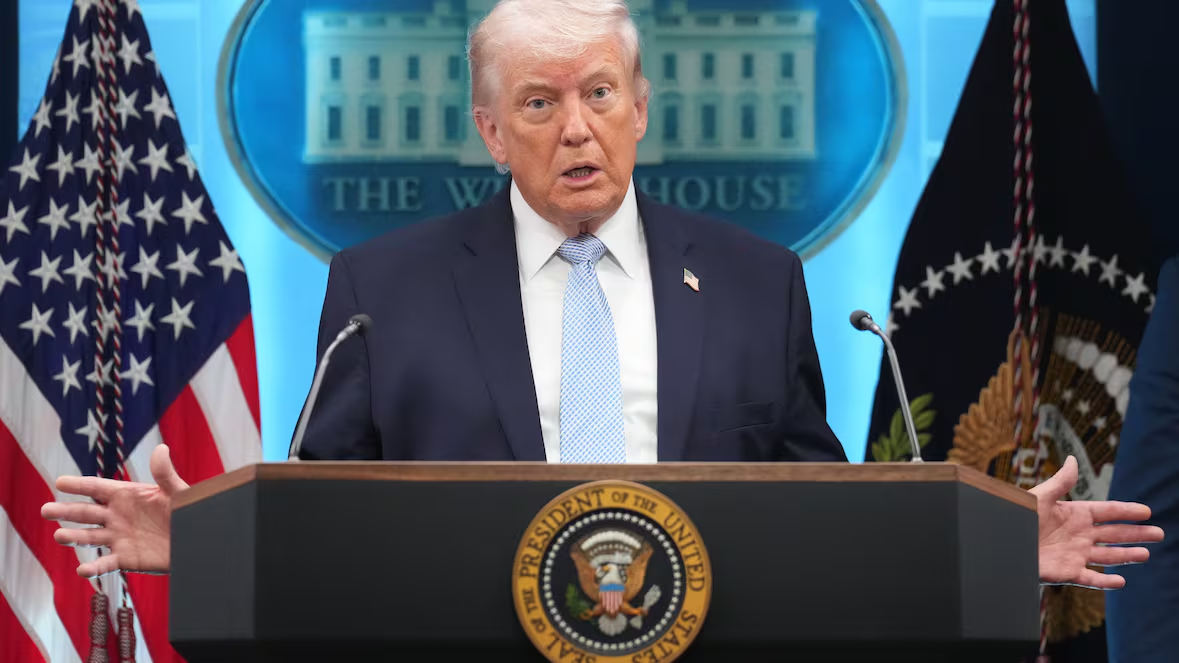
U.S. President Donald Trump has issued a new deadline to Iran to reopen the Strait of Hormuz, escalating tensions in an already volatile region. The revised timeline gives Tehran until Tuesday evening U.S. Eastern Time, extending a previous deadline that had been set for Monday.
According to Daljoog News analysis, the repeated deadline shifts and increasingly aggressive rhetoric point to mounting pressure from Washington, but also reflect uncertainty over how far either side is willing to go.
The standoff comes as the Strait of Hormuz remains partially blocked, disrupting one of the world’s most critical energy corridors and raising fears of a broader military confrontation.
What Happened?
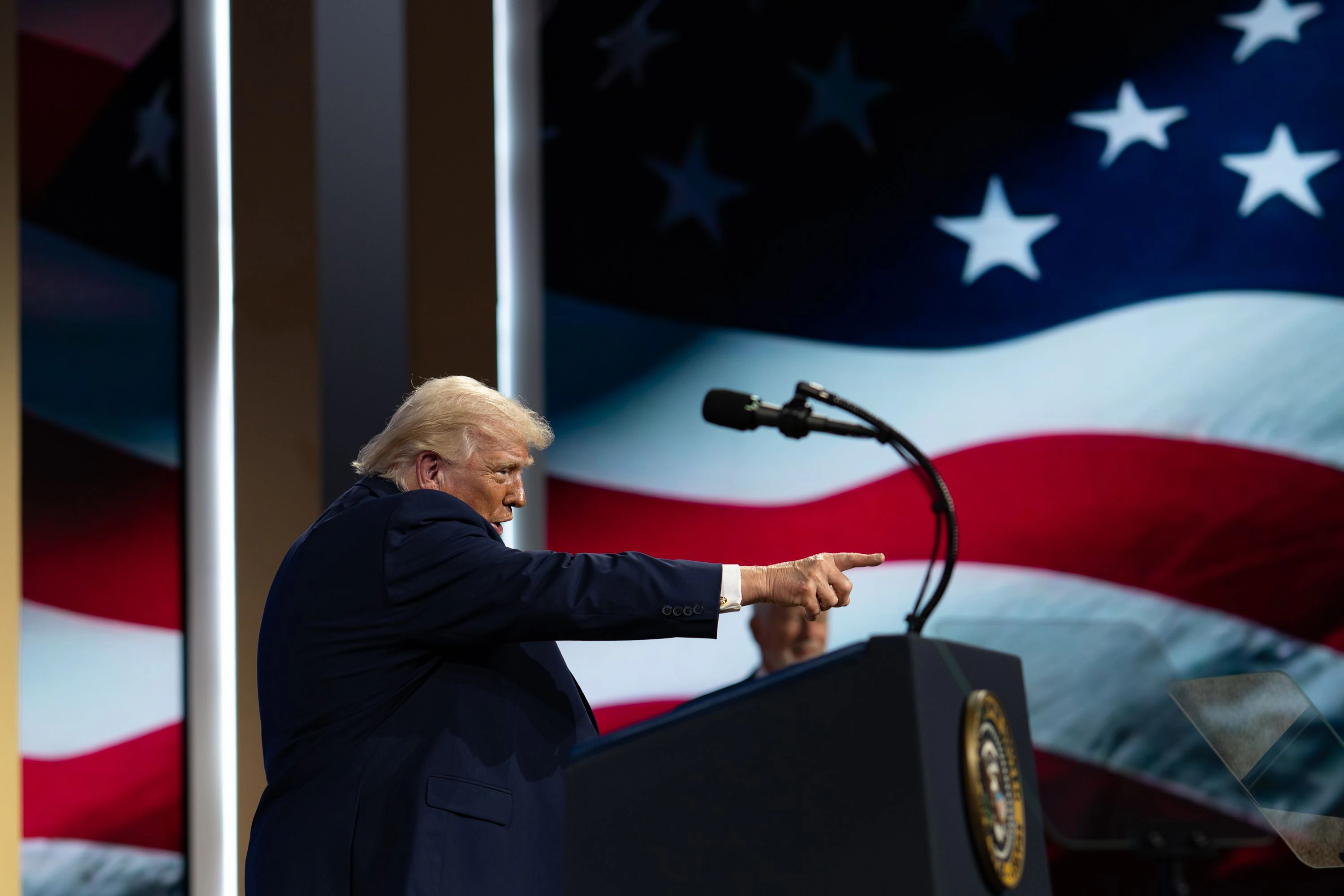
Donald Trump announced via social media that Iran now has until Tuesday night to reopen the Strait of Hormuz. The ultimatum follows an earlier 10-day deadline that expired without Tehran’s compliance.
In a separate post, the U.S. president escalated his tone, warning that failure to act would result in strikes on key Iranian infrastructure, including power plants and bridges. The language used signaled a sharp increase in pressure, moving beyond diplomatic warnings into direct military threats.
Iran, however, has shown little sign of backing down. Officials linked to the Islamic Revolutionary Guard Corps responded with strong counter-warnings, indicating that the strategic waterway would not return to previous conditions—especially for the United States and Israel.
The IRGC Navy also suggested that new security arrangements are being prepared in the Persian Gulf, hinting at long-term changes to how the strait is controlled and accessed.
At the same time, thousands of commercial vessels remain stranded or delayed in and around the Strait of Hormuz, creating significant disruption to global shipping and energy supply chains.
Why This Matters
The Strait of Hormuz is one of the most important maritime chokepoints in the world, handling a large share of global oil shipments. Any prolonged disruption has immediate consequences for energy markets and global trade.
Trump’s ultimatum raises the risk of direct military confrontation. Strikes on Iranian infrastructure would likely trigger retaliation, potentially drawing in regional and international actors.
Iran’s response suggests a readiness to escalate further if attacked. Officials have warned that U.S. assets across the Middle East could become targets, expanding the conflict far beyond the strait itself.
What Analysts or Officials Are Saying
U.S. officials have framed the deadline as a necessary step to ensure freedom of navigation and protect global energy flows. They argue that keeping the strait open is a strategic priority.
Iranian authorities, on the other hand, view the ultimatum as an act of aggression. Military-linked voices have indicated that any attack on Iranian infrastructure would be met with reciprocal strikes on U.S.-linked facilities in the region.
Security analysts see the exchange as a dangerous escalation cycle. Each new threat increases the likelihood of miscalculation, especially in a region already crowded with military assets.
Daljoog News Analysis
This crisis is no longer just about the Strait of Hormuz. It has evolved into a test of resolve between Washington and Tehran, with both sides signaling that they are prepared for confrontation but cautious about crossing a critical threshold.
Trump’s shifting deadlines suggest a strategy of pressure without immediate action. However, such an approach carries risks. If deadlines continue to pass without consequences, credibility may erode. If action follows, escalation could be rapid and difficult to contain.
Iran’s stance appears equally calculated. By refusing to reopen the strait under pressure, Tehran is attempting to reshape the rules of engagement in the Gulf. The mention of new “arrangements” signals a possible long-term strategy rather than a temporary response.
The presence of thousands of ships trapped in the region adds urgency. This is not just a military standoff; it is an economic choke point with global implications. Any disruption here quickly spreads beyond the Middle East.
What Happens Next
The immediate focus is on whether the new deadline will trigger action. If Iran does not comply, the United States may face a decision on whether to follow through on its threats.
Regional actors are likely to increase military readiness, particularly around key installations and shipping routes. This raises the risk of unintended clashes or escalation from smaller incidents.
Diplomatic efforts may intensify behind the scenes, as global powers seek to prevent a full-scale conflict. However, with both sides hardening their positions, a quick resolution appears unlikely.
For now, the world is watching the Strait of Hormuz closely. The next move from either Washington or Tehran could determine whether the crisis stabilizes or spirals into a broader regional conflict.