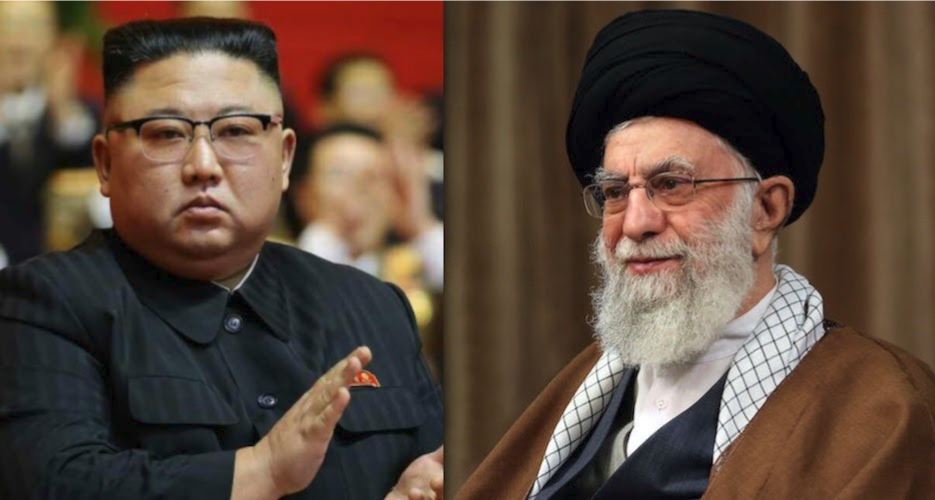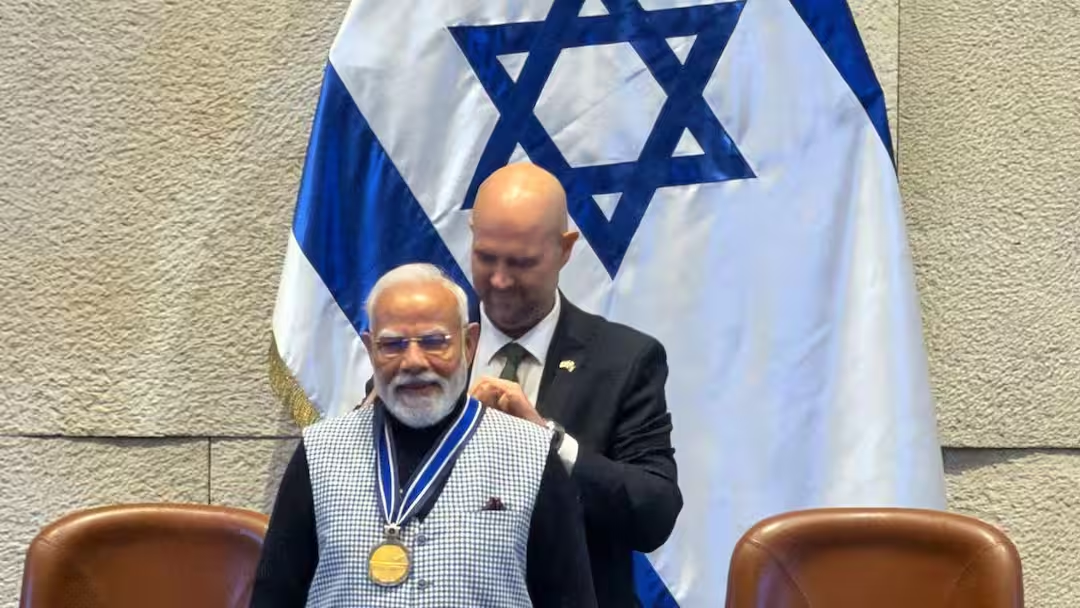

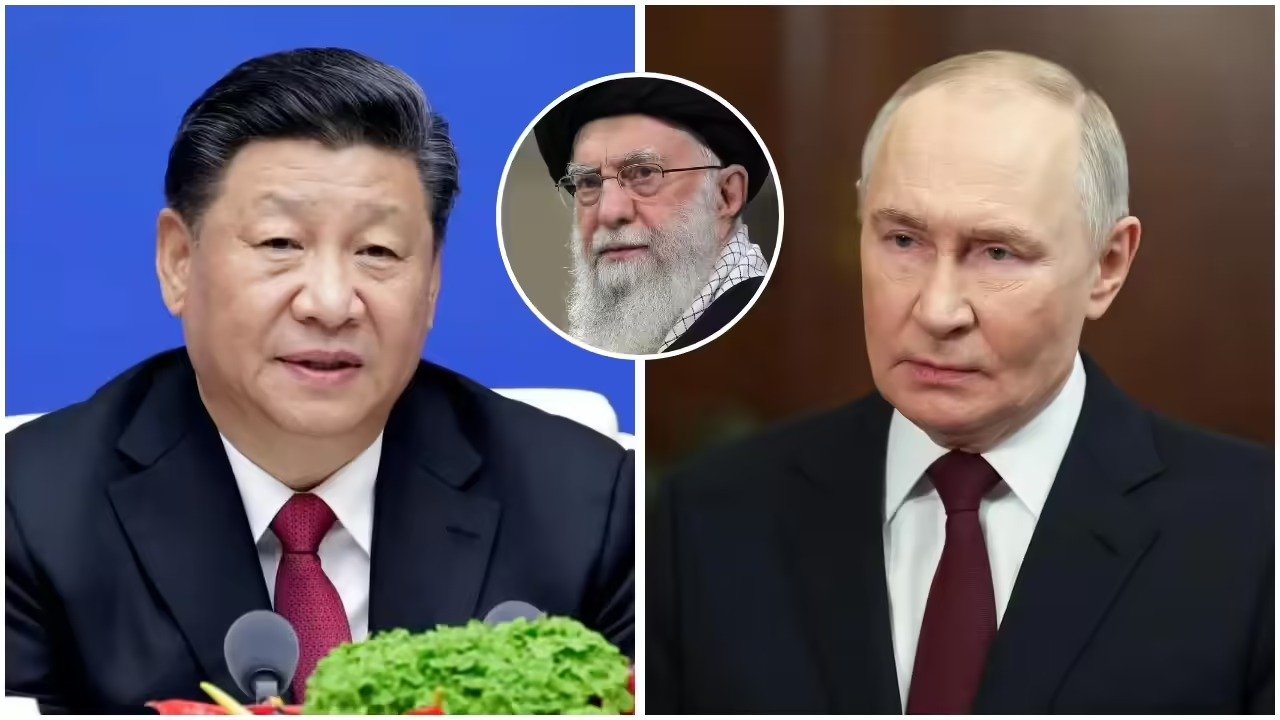
The assassination of Iran’s Supreme Leader Ali Khamenei has reignited a pressing geopolitical question: will China and Russia move beyond condemnation and actively support Tehran, or will they stop at words?
Beijing and Moscow have both criticized the US and Israeli strikes that killed senior Iranian leadership. Yet neither has signaled any intent to provide direct military backing.
According to Daljoog News analysis, past behavior offers a clear pattern. China and Russia routinely oppose Western military actions rhetorically, but they avoid confrontation when the risks outweigh strategic gains.
The moment matters because Iran’s regional posture now faces severe strain. With leadership shaken and military infrastructure targeted, Tehran must assess whether its global partners will translate diplomatic solidarity into tangible action.
What Happened?
Following joint US-Israeli strikes that eliminated high-ranking Iranian officials, including Khamenei, both Russia and China issued formal statements condemning the attacks. They described the operation as destabilizing and warned that it could widen conflict across the Middle East.
The Kremlin framed the assassination as a violation of sovereignty and international norms. Beijing echoed similar concerns, emphasizing opposition to the use of force and calling for restraint.
Despite strong language, neither capital announced troop deployments, arms transfers, or expanded defense cooperation in response.
This reaction aligns with previous crises. During earlier Israeli-Iranian confrontations and the 12-day escalation last year, Moscow and Beijing limited their involvement to diplomatic protests and strategic messaging.
Why This Matters
Iran has long relied on China and Russia to ease economic and political pressure from Western sanctions. China remains a primary buyer of Iranian oil, helping sustain Tehran’s revenue streams despite US restrictions.
Russia has provided military technology and coordination in certain theaters, particularly in Syria. Yet that partnership has always been calibrated.
If China or Russia were to escalate militarily in defense of Iran, it would transform a regional conflict into a potential great-power confrontation. That scenario would carry massive global consequences, from energy markets to security alliances.
However, both Beijing and Moscow face constraints.
China seeks stability to protect trade routes and economic growth. Direct war with the United States would undermine that priority.
Russia, deeply engaged in the war in Ukraine, cannot easily open another front involving American forces and Israeli capabilities.
What Analysts or Officials Are Saying
Diplomatic observers describe the current posture of China and Russia as strategic caution.
Beijing’s official position stresses respect for sovereignty and international law. It has called for de-escalation but avoided commitments beyond political support.
Moscow has criticized Washington and Tel Aviv while maintaining distance from operational involvement. Russian officials appear focused on preventing further destabilization rather than expanding the conflict.
Security sources suggest Iran may ultimately have to navigate this confrontation largely on its own. While economic and intelligence cooperation may continue behind the scenes, visible military engagement from either China or Russia appears unlikely.
Energy analysts also note that China’s main concern lies in an uninterrupted oil supply. A wider war in the Gulf would threaten shipping lanes and raise prices, which Beijing prefers to avoid.
Daljoog News Analysis
China and Russia view Iran as a valuable strategic partner, but not an ally worth entering a direct war over.
Both powers benefit from Iran’s resistance to Western influence. Yet neither sees advantage in triggering open conflict with the United States.
Beijing calculates in decades, not weeks. Its global economic ambitions depend on stable trade corridors, especially in the Gulf region.
Moscow faces even tighter limits. Engaging militarily against US or Israeli forces while managing the Ukraine battlefield would stretch resources and raise domestic risks.
The likely path is continued diplomatic shielding. Russia and China may block or dilute Western resolutions at the United Nations. They may expand trade mechanisms to soften sanctions pressure.
But direct intervention remains improbable.
Daljoog News assesses that Iran’s leadership understands this reality. Public alignment with Beijing and Moscow strengthens political messaging. Operational reliance, however, remains limited.
What Happens Next
China and Russia will likely maintain rhetorical opposition to further US or Israeli strikes. They may push for emergency sessions at international forums.
Iran, meanwhile, will recalibrate its strategy knowing that military backing from its two major partners is not guaranteed.
Energy markets and Gulf security will remain key indicators. If conflict threatens shipping routes, Beijing may increase diplomatic pressure to prevent escalation.
Unless the conflict widens dramatically, China and Russia appear set to remain influential observers rather than combatants.