

A federal judge has ordered the Trump administration to release billions in federal funding for the Gateway rail tunnel project, a major infrastructure lifeline for New York and New Jersey.
According to Daljoog News analysis, the ruling underscores the judiciary’s role in protecting critical infrastructure projects from political interference and preserving jobs in the construction sector.
The decision comes after months of uncertainty that paused work on the $16 billion project and jeopardized nearly 1,000 construction jobs, highlighting the national significance of the Hudson River tunnel.
What Happened?
U.S. District Judge Jeannette Vargas of the Southern District of New York ruled Friday night that delaying the Gateway project would harm the public interest. The judge directed both the Trump administration and state officials to submit a joint letter by February 11 addressing six legal issues in the case.
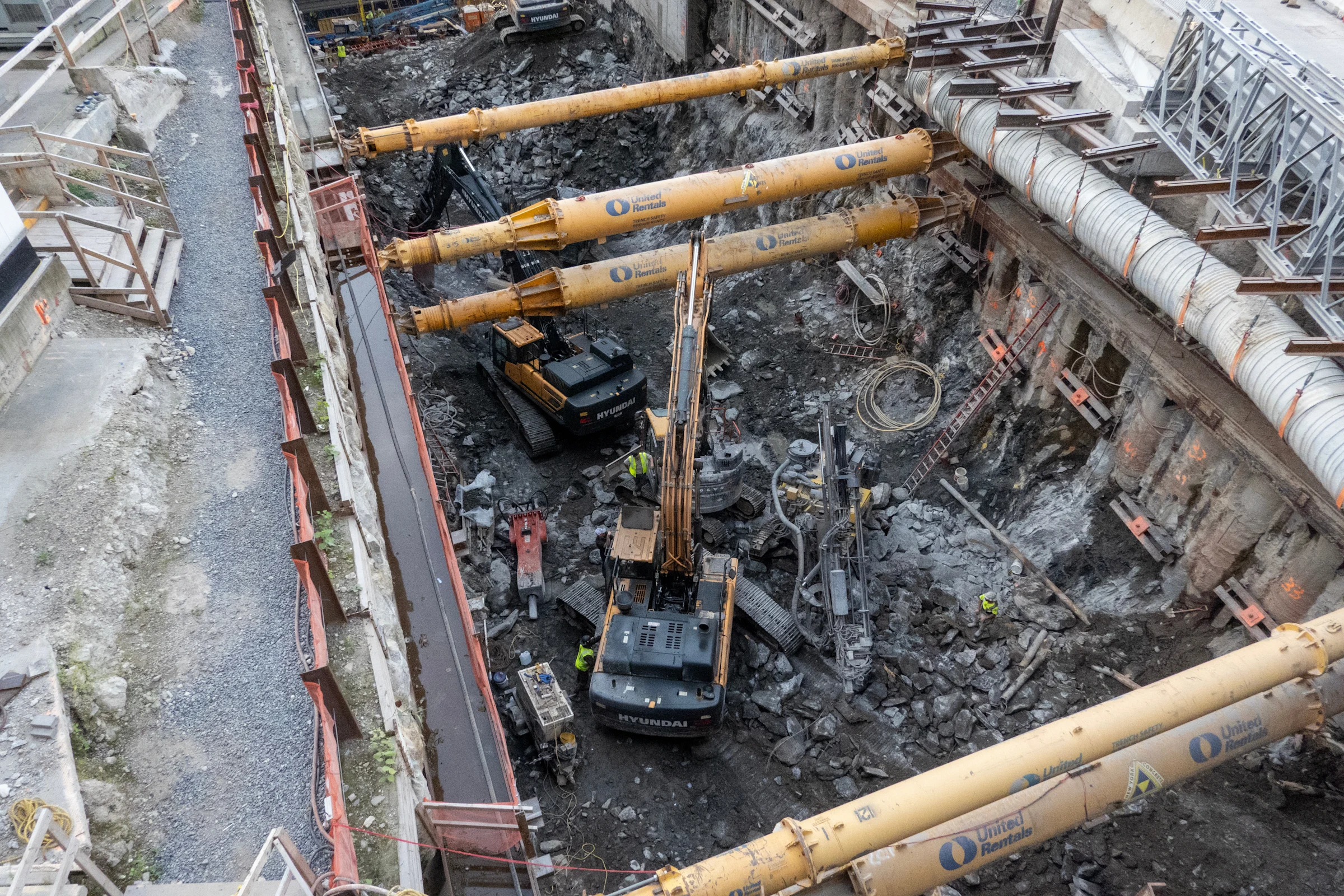
Work on the tunnel had been halted earlier Friday after the administration froze federal funding. The Gateway project, one of the largest infrastructure efforts in the U.S., aims to build a new rail tunnel under the Hudson River, connecting New Jersey and New York.
The halt immediately affected around 1,000 construction workers and raised concerns about further delays in the region’s critical transportation network.
Why This Matters
The Gateway project is a linchpin of the Northeast rail system. Delays or interruptions could disrupt commuter and freight services, exacerbate congestion, and create long-term economic consequences for the region.
The funding freeze had also sparked political backlash. Democrats in both New York and New Jersey criticized the Trump administration’s decision, arguing that political maneuvering was jeopardizing essential infrastructure and local jobs.
New York Attorney General Letitia James described the ruling as a “critical victory” for workers, while New Jersey Acting Attorney General Jennifer Davenport emphasized that the order would help nearly 1,000 employees keep their jobs and continue construction.
What Analysts or Officials Are Saying
Earlier, lawyers for New York and New Jersey had urged the court to unfreeze federal dollars during a hearing tied to two separate lawsuits challenging the Trump administration’s funding freeze.
The U.S. Department of Transportation had previously suspended Gateway funding pending a review into contractor selection practices related to diversity, equity, and inclusion. Trump has publicly claimed the project is “terminated,” though statements from him and Transportation Secretary Sean Duffy have been inconsistent.
Senate Minority Leader Chuck Schumer called the funding hold a “disgrace,” asserting that Trump alone controlled the release of federal dollars for the project. Politico reported that Trump sought naming rights for Washington Dulles Airport and New York Penn Station as a condition for releasing funds, an offer Schumer rejected.
Daljoog News Analysis
Daljoog News sees the court ruling as a decisive moment for infrastructure governance. By compelling the release of funds, the judiciary reinforced that critical public works cannot be stalled for political leverage without consequences.
The Gateway project is more than a local construction effort—it is a cornerstone of regional transportation and economic stability. Judge Vargas’s order ensures continuity in construction, safeguarding commuter reliability and maintaining thousands of jobs tied directly to the project.
The case also highlights the broader intersection of politics and infrastructure funding, showing how federal control over projects can be influenced by partisan considerations and leadership whims.
What Happens Next
Construction on the Gateway Tunnel is expected to resume immediately after federal funds are unfrozen. Both New York and New Jersey officials, along with project managers, will likely coordinate with federal agencies to ensure a smooth continuation.
The joint letter ordered by the judge, due February 11, could clarify legal questions around federal oversight and project management, while keeping the broader initiative on track. The ruling may also set a precedent for future disputes involving political interference in federally funded infrastructure projects.