

Global financial markets are facing sharp declines as rising oil prices, geopolitical tensions, and policy uncertainty rattle investor confidence. Major stock indices across the United States, Europe, and Asia have moved downward, reflecting growing concern about economic stability.
According to Daljoog News analysis, the current downturn is being driven by a combination of factors rather than a single shock. Escalating conflict in the Middle East, unclear signals on interest rates, and unpredictable political messaging have created a fragile environment where investors are pulling back rapidly.
The situation has intensified over the past month, with trillions of dollars wiped from global equity markets. At the same time, oil prices have surged dramatically, adding further pressure to already strained financial systems.
What Happened?
Over the last month, global stock markets have experienced significant losses as investors respond to mounting uncertainty. Data from major indices shows that equities have dropped across regions, with declines visible in benchmark indicators in the United States, Europe, and Asia.
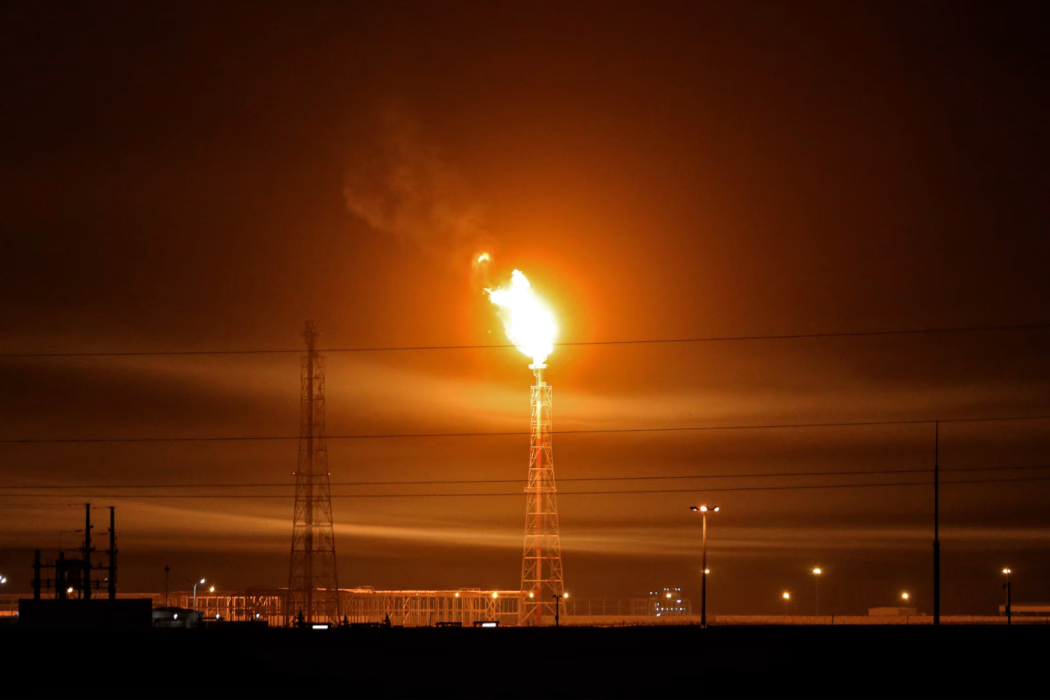
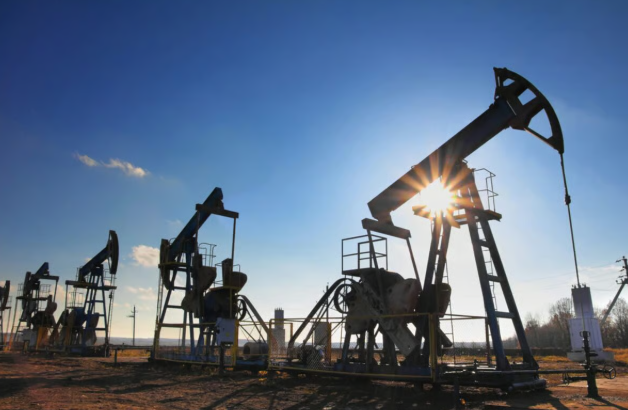
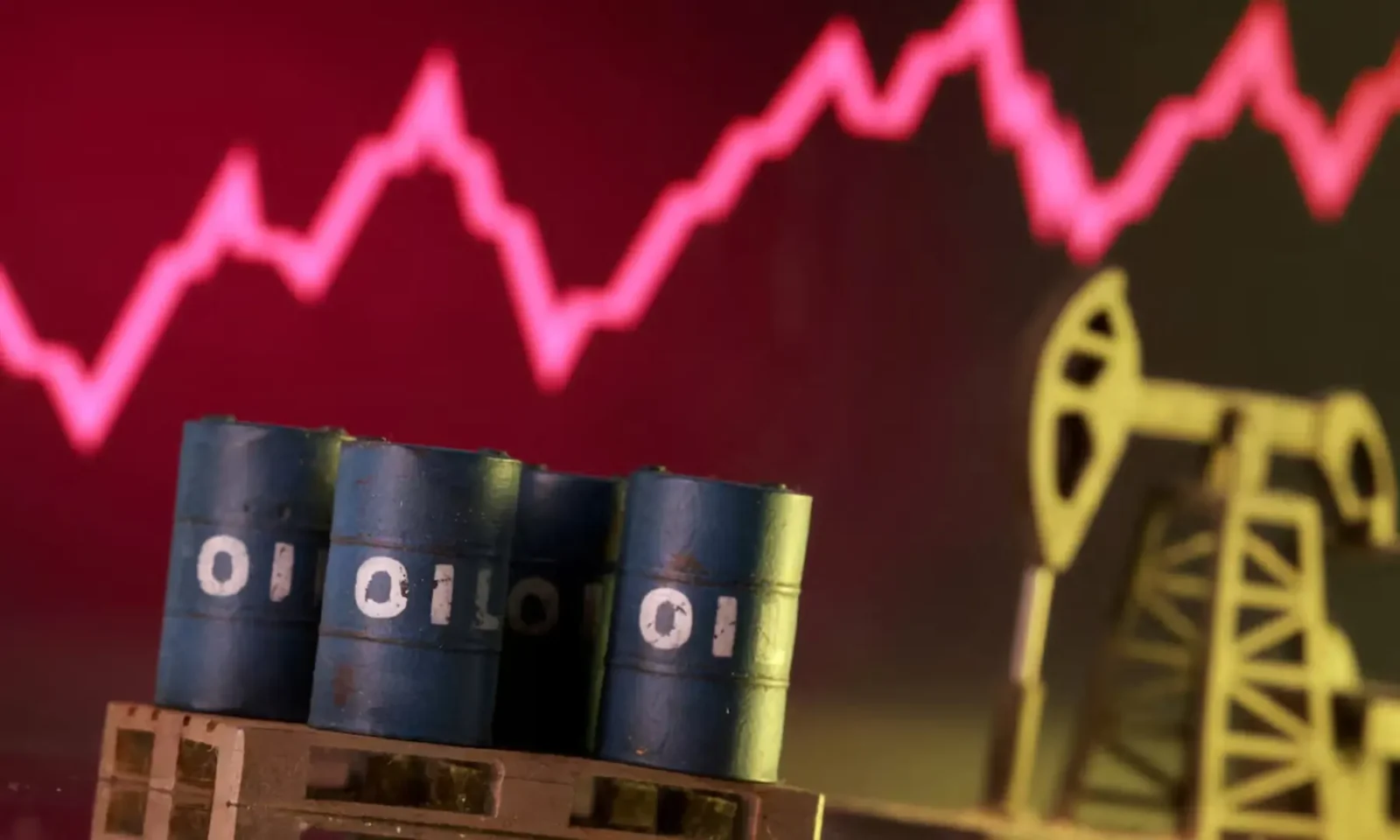
The downturn has been accompanied by a sharp rise in oil prices. Brent crude has recorded one of its largest monthly increases on record, climbing around 62 percent compared to late February levels. Prices recently crossed $116 per barrel after a near 3 percent daily jump, reflecting supply fears linked to tensions in the Gulf region.
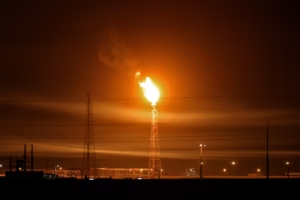
Disruptions around key energy routes, particularly near the Strait of Hormuz, and repeated attacks on energy infrastructure have fueled concerns about supply shortages. These developments have made oil markets highly sensitive, with even minor updates triggering price swings.
Meanwhile, global equity markets have taken a hit. The Bloomberg World Exchange Market Index indicates that several trillion dollars in market value has been erased in just weeks. Investors are increasingly moving funds out of equities and into safer assets or cash positions.
Why This Matters
The combined impact of rising oil prices and falling stock markets signals deeper economic stress. Higher energy costs directly affect transportation, manufacturing, and consumer prices, increasing inflation risks across economies.
For financial markets, uncertainty around interest rates adds another layer of pressure. Central banks may face difficult choices between controlling inflation and supporting growth. This tension creates instability, making markets more reactive to both economic data and political developments.
The ripple effects extend to currency markets as well. Several Asian currencies, including the Japanese yen and South Korean won, have weakened against the U.S. dollar. This trend reflects capital outflows as investors seek stability amid rising global risks.
What Analysts or Officials Are Saying
Market analysts warn that investor sentiment has shifted sharply toward caution. Many point to inconsistent political signals from U.S. leadership as a factor undermining confidence, particularly in already volatile conditions.
Financial experts also highlight that large-scale capital withdrawals from equities indicate growing fear of prolonged instability. Wealthy investors and institutions are increasingly holding cash or moving into lower-risk assets, signaling expectations of continued turbulence.
Some analysts are raising concerns about the possibility of a broader economic slowdown. They note that the combination of high energy prices, declining equity values, and tightening financial conditions could weigh heavily on global growth in the months ahead.
Daljoog News Analysis
The current market environment reflects a rare convergence of geopolitical tension and economic uncertainty. Unlike isolated shocks, this situation involves multiple interconnected risks, making it harder for markets to stabilize quickly.
Daljoog News analysis suggests that investor behavior is shifting from risk-taking to capital preservation. This transition often marks the early stages of deeper market corrections, especially when supported by structural pressures like energy costs and policy uncertainty.
The sharp rise in oil prices stands out as a critical factor. Sustained increases at current levels could amplify inflation globally, forcing central banks into more aggressive actions. At the same time, continued volatility in political messaging risks prolonging uncertainty, further weakening investor confidence.
What Happens Next
In the near term, markets are likely to remain volatile as investors react to developments in the Middle East, central bank signals, and political decisions. Any escalation in conflict or disruption to energy supplies could push oil prices even higher, intensifying pressure on global markets.
Investors will also closely watch upcoming economic data and policy announcements for signs of stability. Clear communication from major economies could help restore some confidence, though recovery may take time.