

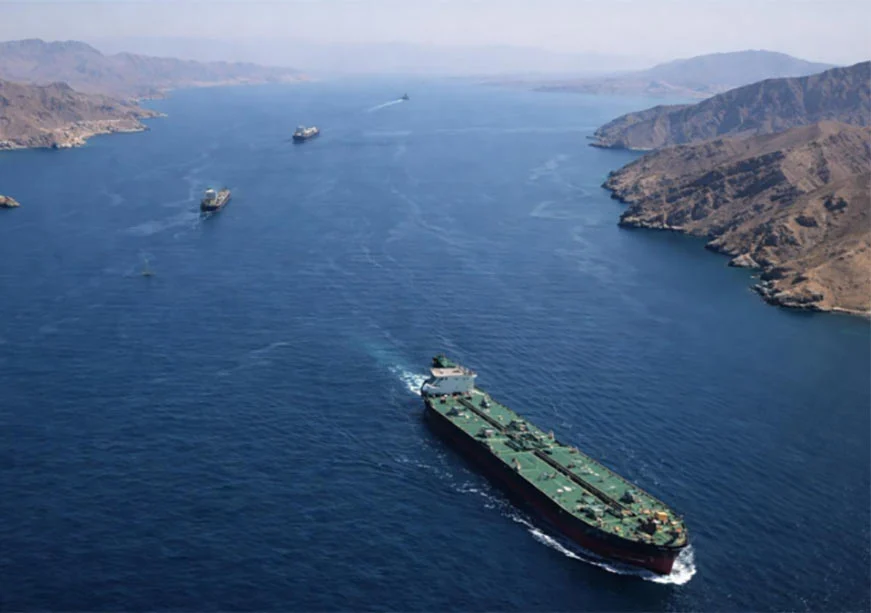
The Hormuz Strait, a critical chokepoint for global oil, has partially reopened, allowing select tankers and container ships to pass through after weeks of near-total closure. The move offers temporary relief to international trade disrupted by escalating Middle East tensions.
According to Daljoog News analysis, this limited reopening reflects Iran’s strategic use of maritime control to influence global markets and test the diplomatic resolve of U.S. allies. The passage of French and Japanese vessels underscores Tehran’s selective engagement policy.
This development arrives amid surging oil prices and strained relations between the United States, Europe, and regional powers, emphasizing how fragile global supply chains have become due to the conflict in the Persian Gulf.
What Happened?
After initial closures following U.S. and Israeli strikes in late February, Iran had blocked much of the maritime traffic through the Hormuz Strait. This bottleneck affected not only crude oil shipments but also liquefied natural gas (LNG) and container trade.
On Thursday, a French CMA CGM container vessel successfully navigated the strait under Iran’s supervision. Similarly, on Friday, Japan’s Mitsui OSK Lines confirmed the LNG tanker Sohar LNG passed through the strait. These were the first vessels from these countries allowed passage since the outbreak of hostilities, signaling a cautious easing of maritime restrictions.
The reopening is selective. Iran reportedly allowed ships associated with friendly or neutral nations to transit, keeping leverage over strategic shipping lanes while testing diplomatic waters with major powers.
Why This Matters
The Hormuz Strait handles nearly one-fifth of global oil exports, making its closure a critical factor in rising energy costs worldwide. Even brief disruptions affect oil prices, food production, and industrial goods reliant on fuel supply.
Western allies of the United States face mounting pressure as the Strait’s blockage constrains oil supply, complicating energy security planning. France, once closely aligned with U.S. policy, has expressed positions increasingly independent of Washington, while Japan’s participation hints at nuanced diplomatic maneuvering in the region.
For global markets, each tanker that navigates Hormuz is a signal of temporary stability. Yet, continued uncertainty sustains elevated risk premiums on oil and LNG, directly impacting international trade and inflation.
What Analysts or Officials Are Saying
Security and trade analysts interpret the selective reopening as Tehran’s strategic message: Iran can maintain control over one of the world’s most critical maritime arteries while signaling willingness to cooperate with certain partners.
Some European experts see France’s successful passage as a demonstration of the effectiveness of diplomacy, balancing military tension with commercial necessity. Meanwhile, Japanese authorities and shipping companies remain cautious, with several vessels still reported stranded in regional ports.
Observers note that Iran’s approach underscores the fine line between demonstrating power and avoiding an escalation that could provoke international military intervention.
Daljoog News Analysis
The passage of French and Japanese vessels through the Hormuz Strait illustrates Iran’s calculated use of maritime influence. The regime is sending dual messages: showcasing its ability to disrupt trade while rewarding nations willing to engage diplomatically.
This selective strategy also allows Tehran to maintain leverage over U.S. allies and regional rivals without committing to a full reopening, preserving a tool to sway global oil prices. The reopening is less a sign of de-escalation and more a carefully choreographed display of control.
The incident highlights the vulnerability of global supply chains to geopolitical conflict, emphasizing that even minor shifts in regional maritime policy can have outsized economic consequences.
What Happens Next
Monitoring vessel movements through the Hormuz Strait will remain crucial for energy markets and trade planning. Analysts expect Iran to continue using the strait as a bargaining chip, potentially reopening or restricting access in response to diplomatic developments.
Western governments and shipping companies will need contingency plans to navigate interruptions, including alternative routes, stockpiling fuel, and strengthening maritime insurance coverage.
The selective passage of French and Japanese ships may be the first step in incremental confidence-building, but continued volatility in the Strait is likely, keeping the global economy on edge.