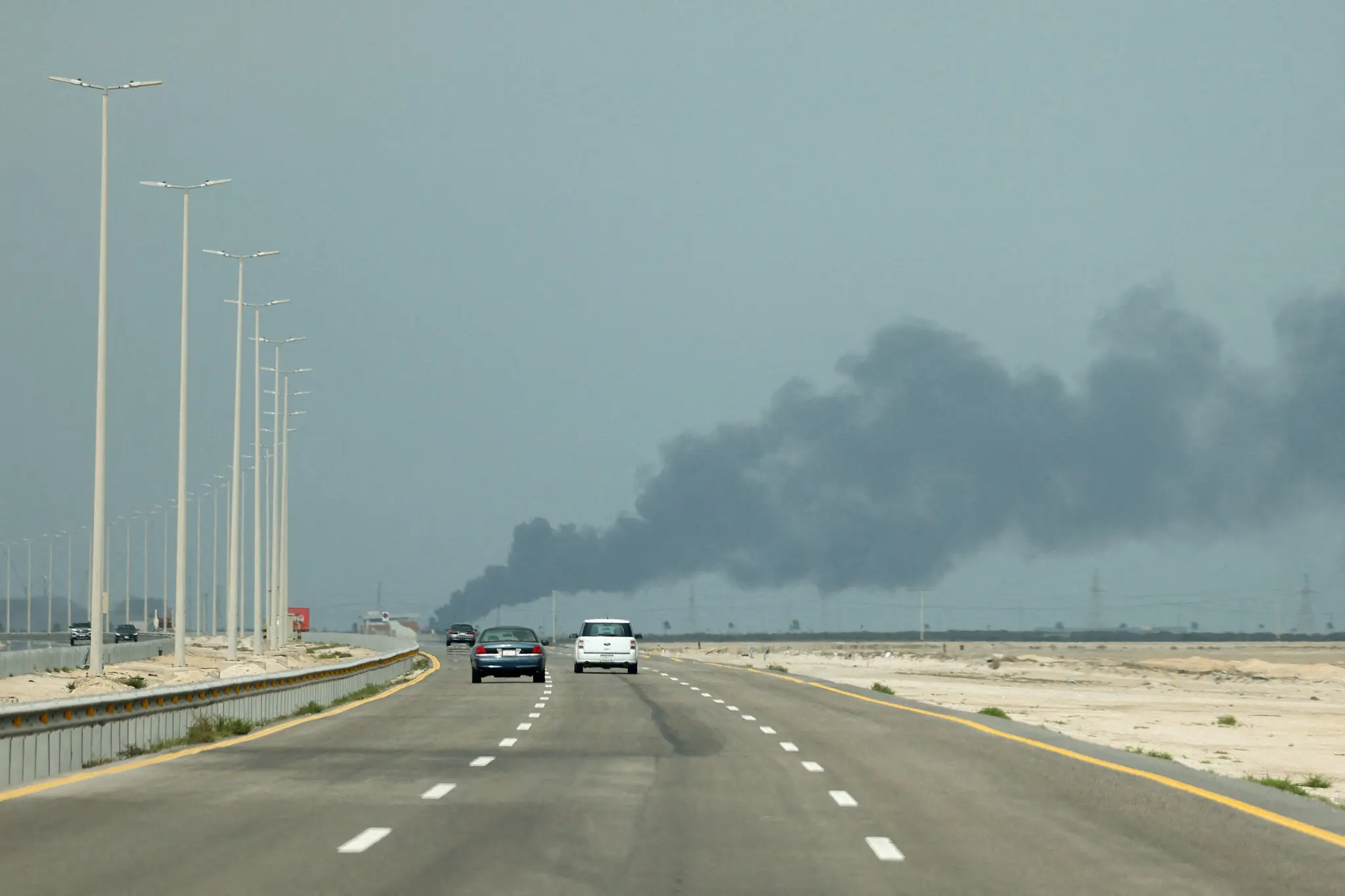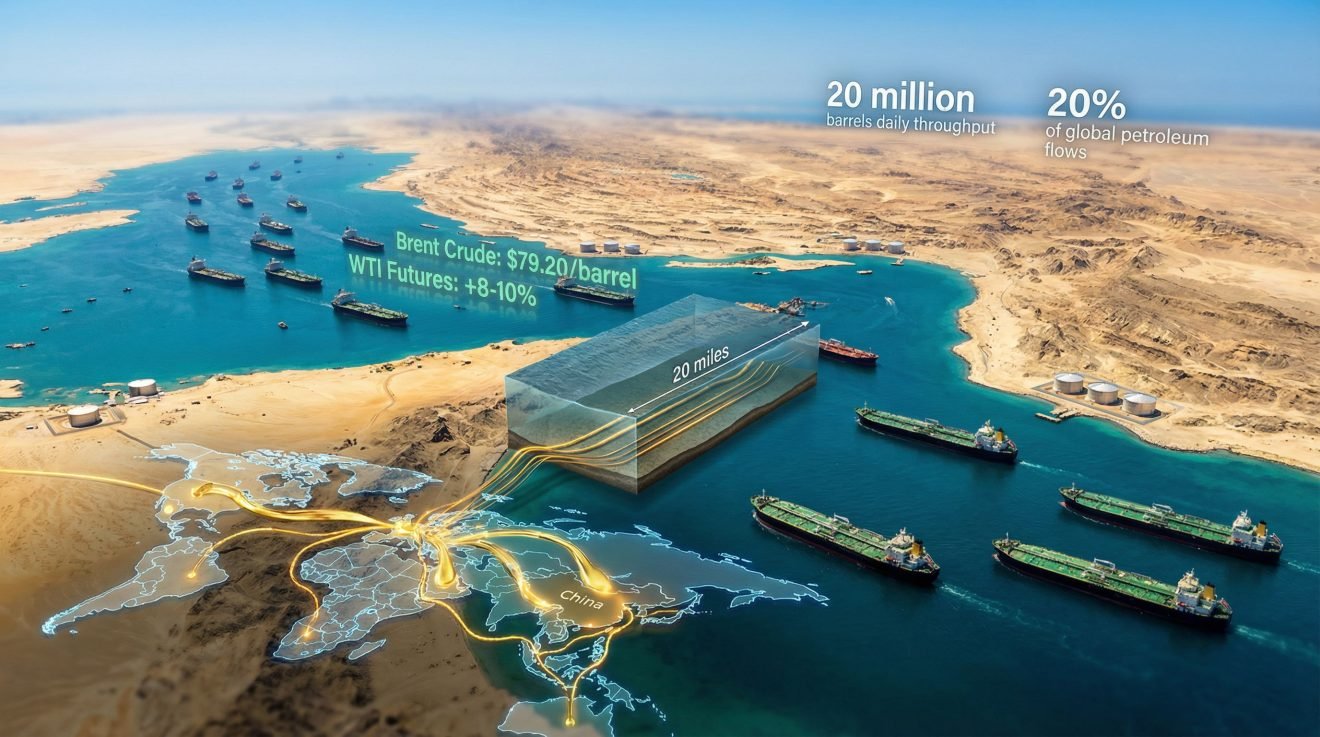



The International Energy Agency (IEA) has announced an unprecedented release of 400 million barrels of oil from emergency reserves to ease the global supply crunch caused by the near closure of the Strait of Hormuz. This move comes amid rising tensions in the Middle East and concerns over disruptions to energy markets.
According to Daljoog News analysis, the decision represents the largest coordinated release in IEA history, reflecting both the severity of the supply disruption and the collective action of its 32 member countries.
The announcement also coincides with Iran’s warning that no oil will be allowed to flow to the United States, Israel, or allied nations, raising geopolitical tensions and uncertainty for global energy markets.
What Happened?
IEA member countries voted unanimously to release 400 million barrels of crude from emergency reserves. The agency’s executive director confirmed that this decision is aimed at stabilizing markets following disruptions caused by Iran’s partial blockade of the Strait of Hormuz, a critical global oil transit route.
The IEA reported that member nations currently hold 1.02 billion barrels of emergency stockpiles, with an additional 600 million barrels held in private industrial reserves. Individual countries will release oil according to their domestic needs and timelines to mitigate shortages and market volatility.
This emergency release marks the sixth time in IEA history that coordinated oil stockpiles have been tapped, with previous releases occurring in 1951, 2005, 2011, and 2022. Experts say this coordinated effort is aimed at preventing a spike in oil prices and maintaining energy stability worldwide.
Meanwhile, Iran has issued strict warnings that no oil shipments will be allowed to reach the United States, Israel, or allied nations through the Strait of Hormuz. A top military spokesperson emphasized that any attempt to bypass the blockade could push global oil prices up to $200 per barrel, further exacerbating market instability.
Why This Matters
The release of 400 million barrels is intended to offset the supply gap caused by Iran’s blockade, which has disrupted one of the world’s most important oil transit routes. Analysts warn that without this intervention, prices could have spiked dramatically, affecting both industrial and consumer markets globally.
The situation also underscores the vulnerability of global energy security to geopolitical conflict. Iran’s announcement blocking oil exports to select countries highlights how regional tensions can rapidly ripple through international markets.
IEA’s action demonstrates the importance of international coordination in ensuring supply continuity, particularly when single points of failure—like the Strait of Hormuz—threaten global energy stability.
What Analysts or Officials Are Saying
Energy market analysts describe the IEA release as a “record-scale response” to an acute supply crisis. Experts say the measure not only eases short-term shortages but also signals the agency’s readiness to act in case of extended disruptions.
Officials note that the coordinated release sends a message to producers and consumers alike: global markets are closely monitored, and strategic reserves can be mobilized to prevent severe price shocks.
Meanwhile, Tehran’s warning to restrict oil flow to certain countries adds a new layer of market uncertainty. Analysts suggest that even with the emergency release, geopolitical risk premiums will likely influence oil prices in the coming weeks.
Daljoog News Analysis
The IEA’s release demonstrates the balance between market stability and geopolitical realities. While tapping emergency reserves addresses immediate shortages, ongoing tensions in the Strait of Hormuz could continue to pressure supply chains and fuel price volatility.
Iran’s stance reinforces the geopolitical dimension of energy security, signaling that regional military or political actions can have far-reaching economic consequences.
Strategically, the IEA release also illustrates the importance of multilateral cooperation among energy-consuming nations. Coordinated responses can temper market panic, but they cannot fully eliminate risk when regional actors take aggressive stances.
Daljoog News notes that energy markets will remain highly sensitive in the coming months, with both supply disruptions and political rhetoric capable of creating sudden spikes in prices.
What Happens Next
IEA member nations will begin phased releases of oil according to individual domestic needs and global market conditions. The effectiveness of this intervention will depend on both market reception and Iran’s adherence to its blockade.
Energy analysts will closely monitor the situation, particularly the impact on prices in Europe, Asia, and North America. Any escalation in the Middle East could quickly override the stabilizing effects of the emergency release.
Meanwhile, diplomatic and intelligence efforts are likely to intensify, as countries seek to negotiate secure transit of oil through the Strait of Hormuz while avoiding further escalation.