


Indiana regulators have launched a formal affordability inquiry into the state’s five largest investor-owned utilities following a surge in consumer complaints over rising energy bills.
According to Daljoog News analysis, the move marks a significant shift in posture for the Indiana Utility Regulatory Commission, which traditionally operates through structured rate cases rather than public investigative forums.
The investigation comes as households across Indiana report mounting pressure from utility costs, prompting both political scrutiny and calls for structural reform.
What Happened?
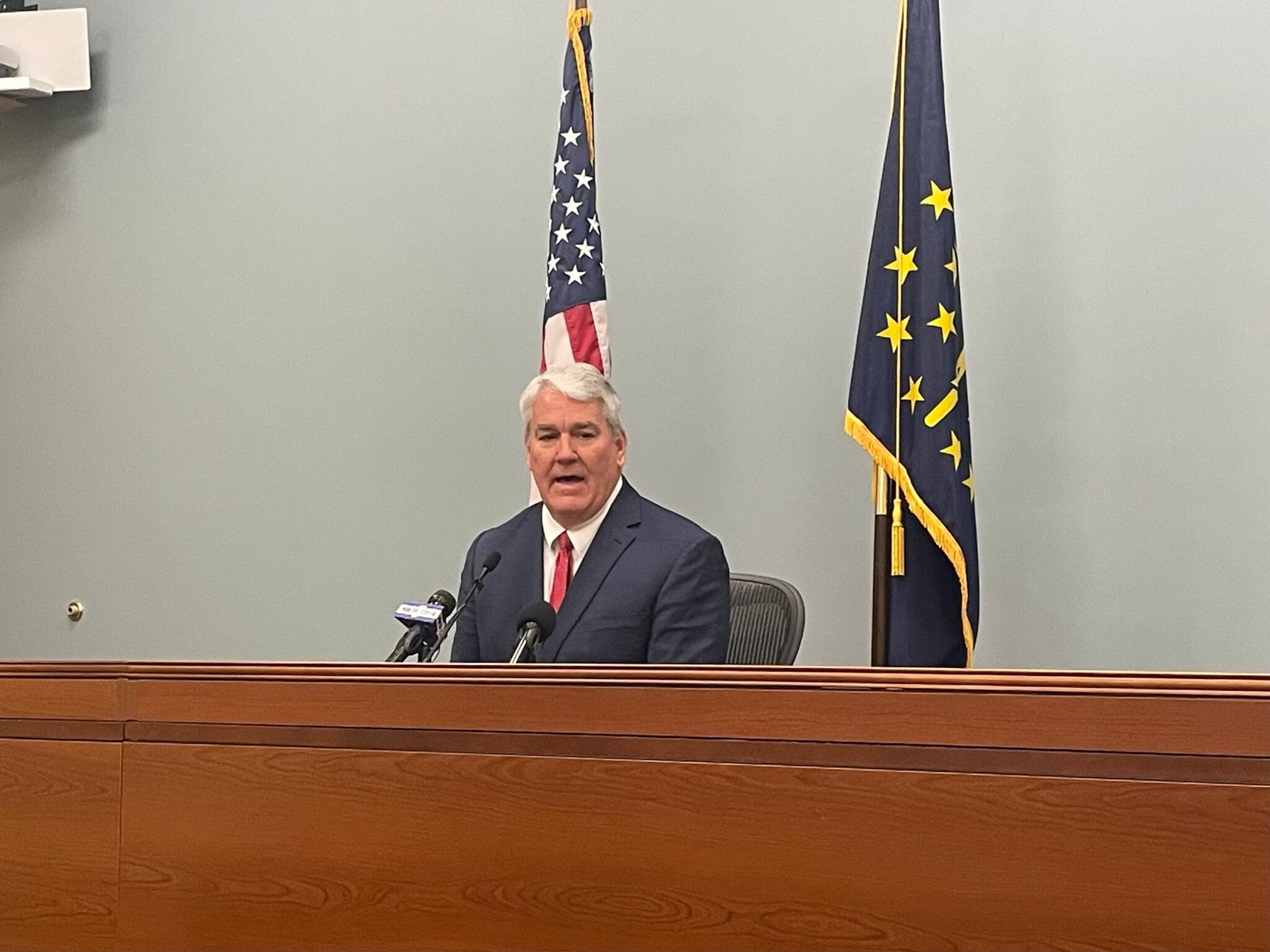
On Wednesday, Commission Chair Andy Zay announced that the agency will convene an open affordability inquiry on March 24 at the PNC Center in downtown Indianapolis.
The commission has asked the state’s so-called “big five” investor-owned utilities to participate in a daylong session focused on rates, billing transparency, and long-term cost drivers.
Those companies include AES Indiana, CenterPoint Energy Indiana, Duke Energy Indiana, Indiana Michigan Power Company, and Northern Indiana Public Service Company.
Zay described the process as an “investigative inquiry,” signaling that regulators believe the balance between affordability and reliability may have tilted too far toward rising costs.
The commission, by law, must ensure that utilities deliver safe and reliable service at just and reasonable rates. However, Zay acknowledged that public frustration suggests that many Hoosiers feel that the equilibrium has shifted.
While he stopped short of guaranteeing participation from all five companies, each utility has indicated it plans to attend.
Depending on the findings, the commission could pursue informal discussions or open formal docketed cases that require commissioner votes during weekly public meetings.
Why This Matters
Energy costs are a kitchen-table issue. When electric or gas bills spike, households feel the impact immediately.
Indiana’s investor-owned utilities operate under a regulated model that allows them to recover infrastructure investments through rate adjustments. Companies argue that grid upgrades, fuel costs, and reliability measures drive current pricing.
However, customers often experience those investments as sudden increases rather than gradual shifts.
The affordability inquiry could shape how future rate cases are evaluated. If regulators find systemic issues in billing clarity or cost justification, new guardrails may follow.
The political dimension is equally important. Mike Braun recently appointed Zay and other commissioners with a stated focus on affordability. The inquiry aligns closely with that priority.
For lawmakers preparing for the next legislative session, the findings may inform new energy policy proposals.
What Analysts or Officials Are Saying
Zay emphasized that the inquiry will examine not only utilities’ pricing structures but also the commission’s own regulatory approach. He suggested the review will include reflection on past decisions and how they shaped current rate trajectories.
The Indiana Energy Association responded by defending infrastructure investments as essential to maintaining grid reliability. The group signaled readiness to explain cost drivers and efforts to manage expenses.
CenterPoint highlighted a commitment to rate stability and customer efficiency programs. Indiana Michigan Power announced plans to file for a reduction in base rates, citing awareness of affordability concerns.
State legislators have welcomed the inquiry. Some described constituent frustration as intense and long overdue for examination. Others indicated that the commission’s findings could support legislative reforms in 2027.
The review is scheduled to run from 9:45 a.m. to 4 p.m. on March 24, providing a public forum for questions and responses.
Daljoog News Analysis
The commission’s decision to hold an investigative inquiry is notable not because it guarantees change, but because it signals urgency.
Regulatory agencies often rely on formal case filings that unfold over months. By contrast, this format invites broader scrutiny and faster public engagement.
Still, structural change is not automatic. Utilities operate under frameworks approved through previous rate cases, many of which involved detailed cost analyses and multi-year planning.
If affordability concerns stem from long-term infrastructure strategies, meaningful adjustments may require legislative action rather than administrative tweaks.
Zay’s planned statewide tour suggests regulators want to rebuild trust. Public perception matters in utility governance. Even when rates reflect legitimate costs, opaque billing or rapid increases can erode confidence.
The challenge for regulators will be balancing three forces: reliability, affordability, and transparency. Sacrificing one to improve another carries risk.
Indiana’s energy system remains relatively stable compared to some regions. The question now is whether pricing structures reflect economic reality for households struggling with inflation and wage pressure.
What Happens Next
On March 24, commissioners will question utility executives about rate structures, cost controls, and customer communication practices.
If the inquiry uncovers concerns warranting formal action, the commission could open docketed proceedings that lead to revised orders or policy shifts.
Lawmakers have signaled that next year’s legislative session may include proposals tied to the inquiry’s findings. Energy affordability could become a defining issue.
Zay’s statewide listening tour may also shape the commission’s agenda. Direct feedback from ratepayers could influence how future rate cases are reviewed.
For now, the inquiry represents a first step rather than a final verdict.
Indiana’s largest utilities will soon face pointed questions in a public forum. Whether that process leads to lower bills, clearer statements, or structural reform will determine how meaningful this moment becomes.