
Despite nearly a month of military conflict with the United States and Israel, Iran’s foreign currency earnings remain resilient. The country is reportedly generating an average of $139 million per day through oil exports and strategic tolls.
According to Daljoog News analysis, this sustained revenue demonstrates Tehran’s ability to leverage both its energy sector and control over critical maritime routes to mitigate the economic impact of regional tensions.
The timing is critical as the conflict continues to escalate. With global oil markets sensitive to supply disruptions, Iran’s ability to maintain and even increase revenue is drawing attention from energy analysts and policymakers worldwide.
What Happened?
Since February 28, Iran has been engaged in a confrontation with the United States and Israel. The Iranian Revolutionary Guard Corps (IRGC) has maintained a partial blockade of the Strait of Hormuz, a key maritime corridor connecting the Persian Gulf to the Arabian Sea. This waterway is essential for international oil and liquefied gas shipments, handling nearly 20 percent of daily global flows.
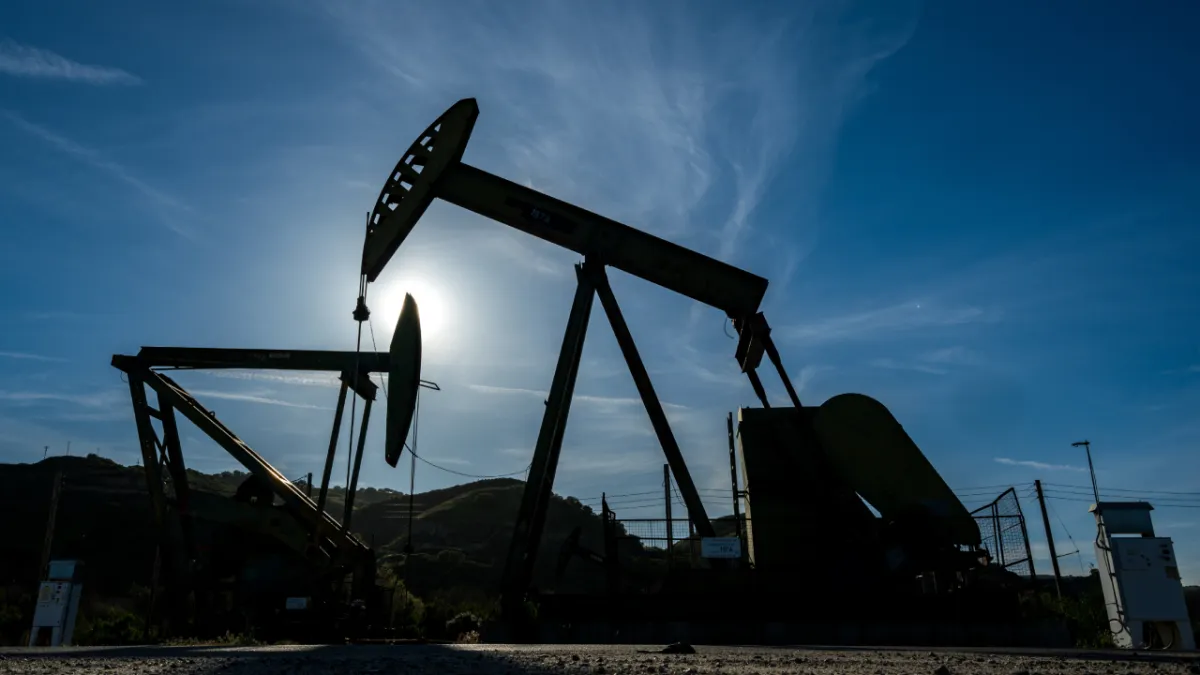
Despite these hostilities, Iran has continued exporting its flagship crude, Iranian Light, unhindered. Intelligence sources and international market observers report that the country is moving an average of 1.06 million barrels of oil daily. The conflict has coincided with rising global crude prices, with benchmark prices now exceeding $100 per barrel, further boosting Tehran’s revenues.
Why This Matters
The Strait of Hormuz is often described as the “gateway” for Middle Eastern oil. Any disruption here has immediate global implications, affecting supply chains, energy costs, and geopolitical stability. Iran’s continued revenue generation shows how strategic control of this chokepoint translates directly into economic and political leverage.
Daljoog News analysis indicates that rising oil prices combined with sustained exports have raised Iran’s daily foreign earnings from $115 million in February to $139 million in March. This demonstrates a counterintuitive effect of conflict: supply uncertainty in global markets has increased the value of Iran’s exports.
What Analysts or Officials Are Saying
Observers note that Iran is also generating additional income through tolls levied on commercial vessels traversing the Strait of Hormuz. Recent reports indicate that daily toll revenues amount to roughly $2 million, providing another consistent source of foreign currency inflow.
Experts highlight that these earnings allow Iran to finance domestic priorities and sustain strategic operations without immediately succumbing to external economic pressure. This underscores Tehran’s resilience and the difficulty of applying financial or military leverage through conventional sanctions or blockades alone.
Daljoog News Analysis
Iran’s ability to profit amid conflict illustrates the intersection of geography, economics, and strategy. By controlling the Strait of Hormuz, Tehran not only maintains energy exports but also exerts leverage over global oil markets. The surge in revenue reflects how scarcity and risk premiums can boost income for exporters in politically sensitive regions.
From a strategic perspective, Iran’s daily earnings demonstrate a form of economic insulation. While military confrontations are ongoing, the country converts strategic advantage into tangible revenue, complicating Western efforts to pressure Tehran economically.
What Happens Next
Market analysts predict continued volatility in global oil prices as tensions persist. Any further escalation near the Strait of Hormuz could amplify premiums and disrupt global supply chains. Policymakers in Europe, Asia, and North America are closely monitoring Tehran’s revenue streams and maritime control, understanding that even limited disruptions have far-reaching consequences for energy security and inflation.
For now, Iran appears to be leveraging both oil exports and tolls from the Strait of Hormuz effectively, maintaining economic resilience in the face of sustained military pressure from the U.S. and Israel. The situation remains a key indicator for global energy markets and geopolitical stability.