


The ongoing conflict involving Iran has sent shockwaves through global energy markets, pushing oil prices higher and creating uncertainty for shipping routes.
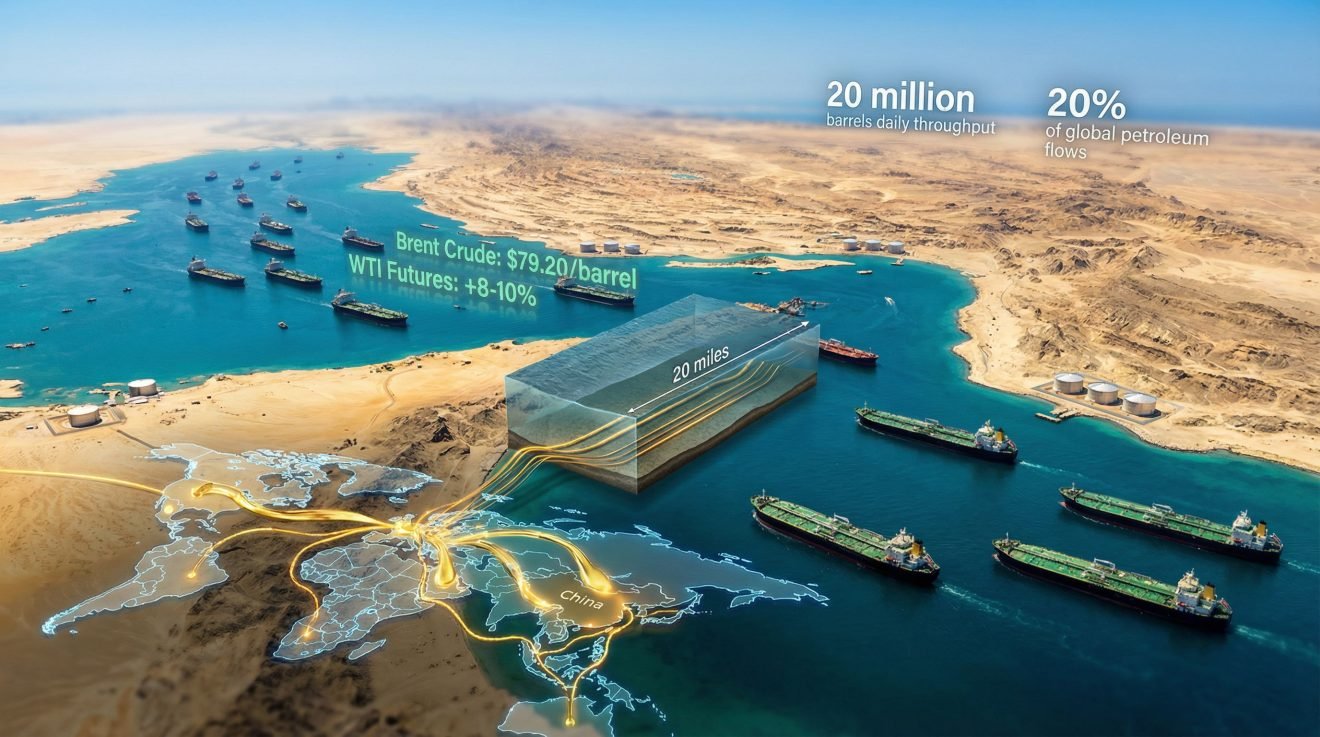
According to Daljoog News analysis, the tensions over the Strait of Hormuz, a critical passage for global oil shipments, are driving markets to react sharply, reflecting both supply risks and geopolitical anxiety.
The conflict escalated after recent US and Israeli strikes on Iranian territory, prompting Tehran to warn that commercial vessels would no longer be allowed through the Hormuz Strait.
What Happened?
Following the strikes, Iran’s Revolutionary Guards issued statements declaring that no ships could transit the strategic Strait of Hormuz, effectively threatening one of the world’s busiest oil shipping lanes.
Brent crude, the international benchmark, jumped nearly 10 percent in over-the-counter trading, reaching around $80 per barrel. Analysts warn that if disruptions persist, crude prices could approach $100 per barrel.
Despite the volatility, OPEC+ has announced plans to increase production. However, experts suggest that additional supply may not be sufficient to counteract the market impact of potential prolonged shipping disruptions and heightened regional tensions.
Why This Matters
The Strait of Hormuz is critical, handling roughly one-fifth of global oil exports. Any blockage or perceived threat directly affects energy prices worldwide, influencing fuel costs, inflation, and economic planning.
The current instability threatens not just oil markets, but also maritime insurance rates, shipping costs, and broader trade flows across the Middle East. Investors and energy companies are now weighing the risk of extended conflict on supply chains.
Rising oil prices could also have political implications, affecting both domestic economies dependent on energy imports and international negotiations over regional security.
What Analysts or Officials Are Saying
Energy analysts highlight that even temporary closures or military threats in the Hormuz Strait can cause immediate price spikes, reflecting the market’s sensitivity to geopolitical risk.
Some experts note that while OPEC+ production increases may ease supply concerns, the real challenge is ensuring uninterrupted shipping through critical chokepoints like the Strait of Hormuz.
Officials in importing nations are reportedly exploring alternative supply routes and strategic reserves to buffer against potential disruptions.
Daljoog News Analysis
The Iran war underscores the fragile link between geopolitical events and energy market stability. Even a limited disruption in maritime transit can ripple globally, driving price volatility and uncertainty.
Market reactions suggest that traders are pricing in both short-term shocks and potential long-term supply constraints. Prolonged instability may incentivize shifts in energy sourcing, accelerate strategic reserve usage, and influence broader economic policy decisions.
The current situation also illustrates how regional conflicts can escalate into global economic consequences, with energy security emerging as a critical factor in both diplomacy and market strategy.
What Happens Next
Energy markets will remain volatile as long as the conflict threatens key shipping lanes.
If Iran enforces its blockade, crude prices could surge further, prompting OPEC+, consumer nations, and international shipping companies to take additional measures.
Investors and policymakers will continue assessing risk, while global economies watch for price impacts, potential shortages, and the broader effects on trade and supply chains.